Chevrolet Astro gen 2 1995–2005 Transmission Failures Seen in Real Service Bays
Overview
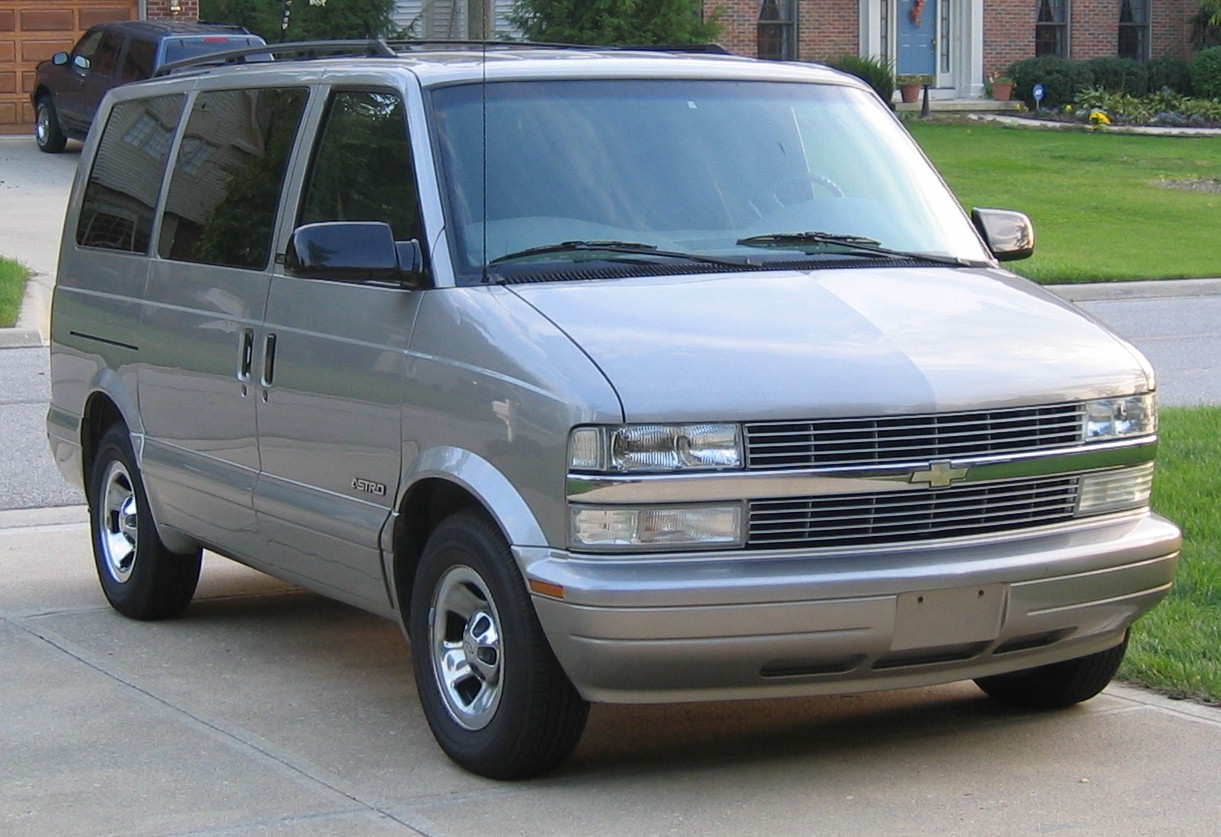
The 1995–2005 Chevrolet Astro. Old-school van. Body-on-frame feel. Rear-wheel drive roots. And one transmission. Just one.
Every single second-generation Astro sold in the US ran the 4L60-E (RPO M30). Four speeds. Electronically controlled. No manual option. No CVT experiment. No dual-clutch nonsense. GM kept it simple — or at least simple on paper.
AWD models? Same 4L60-E bolted to a New Venture NV136 (RPO NP4) transfer case. That’s where things start to get interesting.
There were no federal safety recalls targeting the 4L60-E or NV136 in this platform. None. But GM did issue service publications:
- GM Bulletin 99-04-21-005 (and revisions including 005E) – NV136 shudder on tight turns (1999–2005 AWD)
- GM Preliminary Information PIP5340 – Harsh 1–2 shift with DTC P0894 / P1870 (1998–2004)
Not recalls. But when the manufacturer writes multiple bulletins about the same behavior, that tells you something.
Which Transmissions It Uses
| Transmission Code | Gears | Drive Layout | Engine Pairing | Production Years |
|---|---|---|---|---|
| 4L60-E (RPO M30) | 4-speed automatic | RWD / AWD | 4.3L V6 (VIN W CPI 1995; VIN X CSFI 1996–2002; VIN X MPFI 2003–2005) | 1995–2005 |
That’s it. No verified alternative transmissions used in this generation. One box. Ten years.
And I’ve seen dozens of them apart on the bench.
Main Failure Patterns
3–4 Clutch Pack Wear – The Classic 4L60-E Story
This is the big one. The 3–4 clutch pack.
When these vans start flaring on the 3–4 shift, light throttle, warm fluid, you already know what’s coming. The friction material cooks. The steels glaze. Then it starts slipping just enough to generate heat, which makes it worse. Vicious cycle.
The Astro isn’t light. It pushes air like a brick. Load it with passengers or tools and the 4L60-E runs hot. Once fluid temps live north of 200°F (93°C) on a regular basis, the clutch life curve drops fast.
Service Bay Benchmark: 130,000–180,000 miles (209,000–290,000 km) on average maintenance. I’ve seen them cross 200,000 miles (322,000 km) with disciplined 30,000–40,000 mile fluid intervals. Skip service and they’re a ticking time bomb.
Reaction Sun Shell – No Reverse, No Mercy
Customer comes in. “It won’t back up.”
That’s usually the reaction sun shell.
The factory shells on earlier builds were known to crack or strip splines. When they let go, you lose reverse first. Then 2nd. Sometimes 4th. It feels like the tranny just gave up mid-thought.
Field Observation: Most failures show up past 150,000 miles (241,000 km). Every serious rebuild gets a hardened shell now. No one installs the weak original design anymore unless they’re cutting corners.
Valve Body Wear – P1870 and P0894
GM PI PIP5340 addresses harsh 1–2 shifts with DTC P1870 or P0894. I’ve chased that code more times than I can count.
The torque converter clutch regulator bore wears. Fluid leaks internally. The PCM sees slip. It commands max line pressure. Now the 1–2 shift feels like someone rear-ended you.
Band-aid fix? Clear the code.
Real fix? Recondition the valve body with oversized valves or replace it outright.
If this shows up right after a rebuild, someone missed something. Or slapped in a cheap reman valve body.
Torque Converter Clutch Shudder
Light throttle. 45 mph (72 km/h). Feels like you’re driving over rumble strips.
That’s converter clutch chatter. Fluid gets contaminated, friction characteristics change, apply surface starts slipping microscopically. It grabs, releases, grabs again. Annoying. Sometimes ridiculous.
Fluid exchange can calm it down if caught early. Once the lining is compromised, the converter is done. No magic additive fixes that.
NV136 Transfer Case Shudder – AWD Only
This one is documented. GM Bulletin 99-04-21-005.
You turn tight in a parking lot under 5 mph (8 km/h) and the van bucks. Feels like the driveline is binding. Because it is.
The NV136 uses a clutch-pack to modulate torque. When fluid friction properties degrade, you get slip-stick. The plates grab too hard, release too late. Early builds also had preload characteristics that didn’t help matters.
GM’s fix: Drain it. Refill with Auto-Trak II. Drive it. Repeat if needed.
Sometimes that works. Sometimes it’s just a temporary band-aid. High-mileage units with worn clutch packs need teardown or replacement. I’ve opened a few that were full of metallic shavings — not catastrophic chunks, but enough to tell you the clock was ticking.

Front Differential and Axle Seals (AWD)
The front diff itself? Tough.
What I see more often are leaking axle seals and neglected fluid. Let the fluid run low long enough and you’ll start hearing bearing noise. That’s owner neglect, not a design flaw.
Typical Repair Costs
Now the part everyone cares about. The damage.
| Repair Type | Parts (USD) | Labor (USD) | Total (USD) | Context |
|---|---|---|---|---|
| 4L60-E Professional Rebuild | $1,200–$2,200 | $1,500–$2,800 | $2,700–$5,000 | Full overhaul with updated shell and valve corrections |
| Remanufactured 4L60-E Replacement | $2,500–$3,800 | $1,500–$2,800 | $4,000–$6,600 | Installed reman unit |
| Torque Converter Replacement | $400–$900 | $800–$1,400 | $1,200–$2,300 | Transmission removal required |
| NV136 Transfer Case Replacement | $1,800–$3,000 | $900–$1,600 | $2,700–$4,600 | AWD models only |
| Transfer Case Fluid Service | $40–$80 | $100–$200 | $140–$280 | Preventive maintenance |
These are Industry Estimate ranges. In high-cost metro areas, expect the upper end. Cheap rebuilds exist. They usually come back.
Best and Worst Years
| Year Range | Configuration | Observed Pattern | Dominant Issue | Relative Risk |
|---|---|---|---|---|
| 1995–1998 | RWD / Early AWD | Age-related failures | Clutch wear, sun shell | Medium |
| 1999–2002 | AWD | Higher driveline complaints | NV136 shudder | Medium-High (AWD) |
| 2003–2005 | RWD / AWD | Mostly mileage-based wear | Standard 4L60-E aging | Medium |
There was no dramatic redesign mid-cycle. No miracle year. Condition matters more than model year.
Warning Signs & Early Detection
- 3–4 flare under light throttle
- Harsh 1–2 with MIL illuminated
- No reverse engagement
- Shudder at 40–55 mph (64–88 km/h)
- Binding in tight turns (AWD)
- Burnt fluid smell
In my experience, a proper pre-purchase inspection is worth every dollar. Full OBD-II scan. Check for stored P1870 history. Drop the pan if the seller allows it. If you see glitter or clutch material chunks, walk.
When to Walk Away
No reverse? Walk.
Multiple rebuild receipts in short intervals? Someone is guessing instead of diagnosing.
Persistent AWD shudder after documented fluid service? That transfer case may be tired. Replacement costs can exceed the vehicle’s resale value fast.
Metal in the pan. Burnt smell. Delayed engagement into Drive. Those aren’t “quirks.” That’s a messy failure forming.
Ownership Reality
Factory guidance and real-world outcomes don’t always line up.
| OEM Position | Real-World Experience | Financial Consequence |
|---|---|---|
| Standard service intervals | Extended fluid intervals shorten clutch life | Earlier rebuild |
| Transfer case fluid per schedule | Delayed service increases shudder probability | Transfer case overhaul |
| No proactive valve updates | Bore wear shows up with age | Harsh shift codes, higher repair bills |
I recommend 30,000–40,000 mile (48,000–64,000 km) transmission fluid service. I don’t care what the original marketing said. Clean fluid is cheap. Rebuilds aren’t.
Lawsuits, Complaints & Regulatory History
No verified class action targeting this transmission in the Astro platform.
NHTSA complaint patterns cluster around loss of reverse, slipping, and repeat transmission replacements. That mirrors what we see in the field.
The NV136 shudder was handled through technical bulletins, not recall. That tells you regulators didn’t view it as a safety defect, more of a drivability issue.
Bottom Line
This drivetrain isn’t exotic. It isn’t over-engineered. It’s a 4L60-E doing 4L60-E things in a heavy van.
Maintain it and it’ll run a long time. Ignore it and it will grenade on its own schedule.
RWD models are simpler and cheaper long term. AWD adds capability — and more moving parts to wear out.
I’ve seen high-mileage Astros still shifting clean past 180,000 miles (290,000 km). I’ve also seen neglected ones lunch their clutches before 120,000 miles (193,000 km).
The difference isn’t magic. It’s maintenance.