How the Chevrolet Cavalier gen 3 1995–2005 Transmission Actually Fails
Overview
Simple car. Simple layout. Front-wheel drive, transverse engine, one transaxle doing all the work.
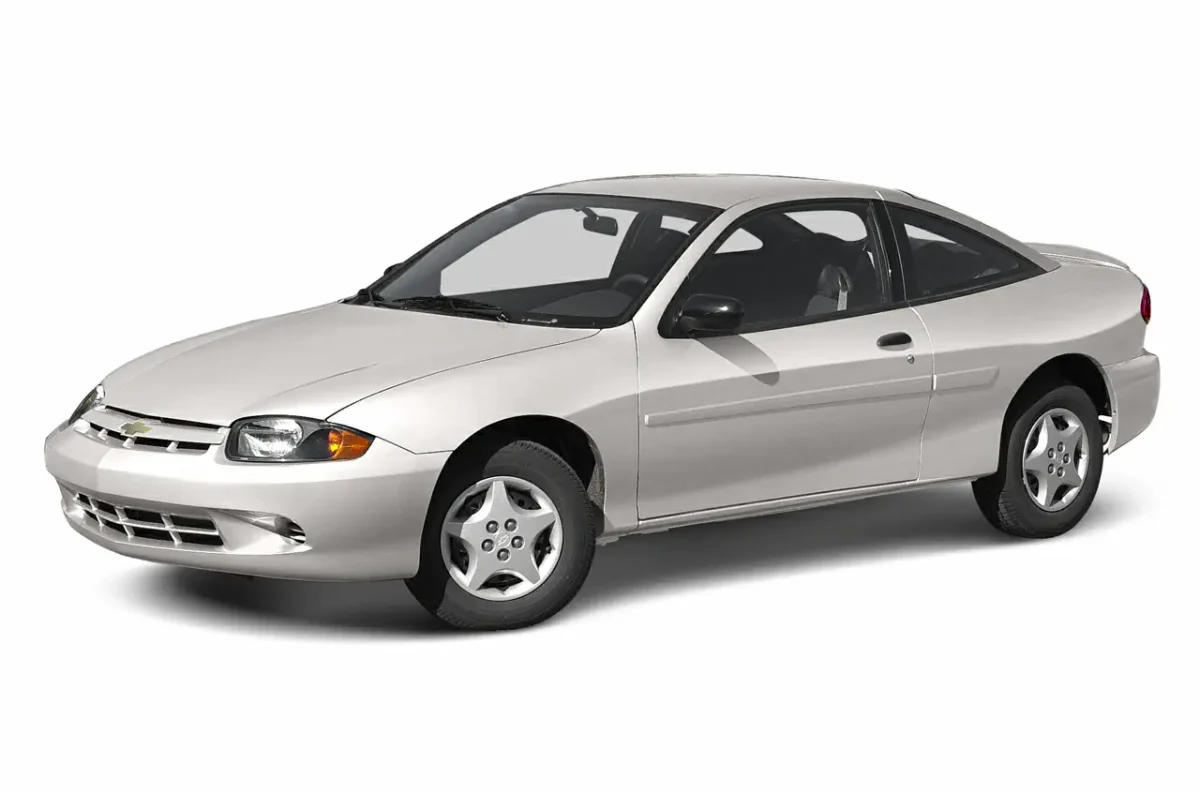
The 1995–2005 Chevrolet Cavalier — third-gen J-body — didn’t come with AWD, no transfer case, no PTU, no rear diff hiding somewhere waiting to drain your wallet. Just a front transaxle bolted to a small four-cylinder. That’s it. Clean. Basic. Cheap to build. Cheap to buy. And when the tranny fails, that’s where all the money goes.
I’ve worked on these since they were still under factory warranty. I’ve seen them at 40,000 Miles (64,000 km). I’ve seen them at 240,000 Miles (386,000 km) barely holding third gear. The durability story is predictable. Manual versions live a long time. Automatics depend almost entirely on maintenance discipline. Skip fluid changes and you’re playing roulette.
Most surviving cars today are well past 120,000–180,000 Miles (193,000–290,000 km). At that mileage, you’re not evaluating “design.” You’re evaluating history. Who serviced it. Who ignored it. Who slapped a band-aid fix on it.
Which Transmissions It Uses
This platform used three real transmissions in the U.S. market. No CVT experiments. No dual-clutch nonsense. No AWD variants. No hidden surprises.
4T40-E (RPO MN4)
- 4-speed electronically controlled automatic
- FWD transaxle
- Used 1995–2005
- Paired with 2.2L LN2, 2.4L LD9, 2.2L L61 Ecotec
This is the automatic. The one most people complain about. It’s part of GM’s 4T40/4T45 family used across compact cars for years. Light-duty. Economical. Not built for abuse.
Fluid capacity dry is roughly 7–8 Quarts (6.6–7.6 Liters). A pan drop only replaces about half. People think they “changed the fluid” when they barely refreshed it.
Isuzu 5-Speed Manual (RPO MK7 / MJ1)
- 5-speed manual
- FWD layout
- Primarily 1995–1999
- Most common with 2.2L LN2
Light-duty box. Cable shifter. Hydraulic clutch. Not fancy, but I’ve seen them take abuse better than the automatic.
Getrag F23 5-Speed (RPO M86 / M94)
- 5-speed manual
- FWD layout
- Primarily 2000–2005
- Paired with LN2, LD9, L61
The F23 is the good one. Stronger internals. Better bearings. I’ve seen F23 units run past 200,000 Miles (321,000 km) with nothing more than clutch jobs.
No verified alternative transmissions used in this generation.
Main Failure Patterns
Reverse Goes First
This is the classic 4T40-E story. Customer backs out of the driveway one morning — nothing. Or it takes three seconds to engage. Then five. Then it’s gone.
What’s happening inside?
- Reverse input clutch worn thin
- Reaction shell damaged
- Hydraulic pressure loss from valve body wear
In my experience, it starts showing up between 100,000–160,000 Miles (160,000–257,000 km). Heat kills these units. Stop-and-go traffic in 100°F (38°C) summers? That accelerates everything.
Ignore delayed reverse and the whole tranny eventually grenades.
Forward Gears Vanish
I’ve had cars come in with reverse working fine, but no forward drive. You put it in Drive, revs climb, car barely moves. That’s forward clutch failure or sealing ring leakage. Messy failure.
This doesn’t usually happen early. It’s neglect. Burnt fluid. Shavings in the pan. The kind of car that never saw a fluid service because someone believed “lifetime fluid.” Lifetime of what, exactly?
Harsh 1–2 Shift, Flare, Weird Behavior
These units develop shift drama:
- Harsh 1–2 bang
- RPM flare between gears
- Intermittent hesitation
Inside, the pressure control solenoid is tired. Shift solenoids stick. Valve body bores wear out and leak pressure internally. It’s gradual. Then one day it’s ridiculous.
If caught early, you can replace solenoids or the valve body. Leave it alone? You’re cooking clutches.
Torque Converter Clutch Shudder
Feels like driving over rumble strips at 45 MPH (72 km/h). Light throttle. Steady cruise.
TCC friction lining is worn or fluid is contaminated. A fluid exchange sometimes smooths it out for a while. That’s a band-aid fix. Worn lining doesn’t heal.
Manual Transmission Reality
The Isuzu 5-speed develops input shaft bearing noise. You’ll hear it in neutral with the clutch out. Push the pedal in, noise changes. That’s the clue.
Second gear synchro wear? Seen plenty. Drivers who rush shifts tend to start lunching gears.
The Getrag F23 is a different animal. I’ve seen dozens. Internals are tough. Most failures are clutch-related. Not gearset failures. Not catastrophic breakage. Just wear.
Axle Seal Leaks
Simple stuff. Output shaft seals start weeping past 120,000 Miles (193,000 km). Owner ignores it. Fluid level drops. Bearings run dry. Now you’ve created a problem that didn’t need to exist.
Typical Repair Costs
Let’s talk money. Because this is where the car stops being “cheap transportation.”
| Repair Type | Parts (USD) | Labor (USD) | Total (USD) | Basis |
| Automatic Fluid & Filter Service | $40–$90 | $90–$180 | $130–$270 | Industry Estimate |
| Shift / Pressure Solenoid | $50–$180 | $300–$600 | $350–$780 | Service Bay Benchmark |
| Valve Body Replacement | $350–$800 | $400–$800 | $750–$1,600 | Industry Estimate |
| Complete 4T40-E Rebuild | $1,200–$2,000 | $1,200–$2,200 | $2,400–$4,200 | Service Bay Benchmark |
| Remanufactured 4T40-E Installed | $1,800–$3,200 | $1,000–$2,000 | $2,800–$5,200 | Industry Estimate |
| Manual Clutch Replacement | $250–$600 | $600–$1,200 | $850–$1,800 | Service Bay Benchmark |
| Axle Seal Replacement | $20–$50 | $150–$350 | $170–$400 | Industry Estimate |
I’ve had customers shocked when the rebuild estimate matched what they paid for the car. It happens. A $3,500 transmission repair on a $2,800 vehicle feels bad. Because it is.
Best and Worst Years
People want a magic year. There isn’t one.
| Model Year Range | Transmission | Observed Pattern | Relative Risk |
| 1995–1999 | 4T40-E (early calibration) | More shift harshness complaints | Medium |
| 2000–2002 | 4T40-E | Valve body wear at high mileage | Medium |
| 2003–2005 | 4T40-E (updated strategy) | Wear-driven failures dominate | Medium |
| All Years F23 Manual | Getrag F23 | Strong internal longevity | Low |
This isn’t a “bad batch” situation. It’s maintenance-driven survival.
Warning Signs & Early Detection
Pay attention. The car tells you.
- Delay when shifting into reverse
- RPM flare during upshift
- Hard 1–2 shift once warm
- Burnt-smelling fluid
- Shudder at steady cruise
When I inspect one, I scan for DTCs. I road test it fully warm — around 190–210°F (88–99°C). I check for leaks at the axle seals. I look at fluid color. Brown and glittery? That’s bad.
Catching valve body wear early can save thousands. Ignore it and you’re rebuilding.
When to Walk Away
No reverse. Slipping in Drive. Metallic debris in the pan. Multiple gear ratio codes stored.
That’s not a negotiation point. That’s a ticking time bomb.
If repair cost exceeds the vehicle’s realistic post-repair value, you’re throwing good money at an old platform. Sometimes the smartest move is to let it go.
Ownership Reality
Here’s where factory guidance meets real life.
| OEM Position | Real-World Outcome | Cost Impact |
| Standard service intervals acceptable | Long intervals accelerate clutch and valve body wear | Rebuild above 120,000 Miles |
| No routine internal inspection required | Early solenoid wear is common and detectable | $800–$1,600 avoided if addressed early |
| Warranty covers early defects | Most failures occur far beyond warranty | Owner pays |
| Manual units are durable | F23 often exceeds 200,000 Miles | Lower lifetime cost |
I’ve seen two identical Cavaliers. One serviced every 35,000 Miles (56,000 km). The other never touched. One lasted. One died early. Maintenance isn’t glamorous. It works.
Lawsuits, Complaints & Regulatory History
NHTSA complaint records include reports of reverse failure, forward gear loss, harsh shifting. That’s documented history. No broad federal recall targeted the 4T40-E in this platform.
This isn’t a safety recall disaster. It’s wear. Age. Neglect.
VIN recall status can still be verified through NHTSA lookup or a GM dealer system.
Bottom Line
The third-generation Cavalier drivetrain is simple. Affordable. Honest.
The Getrag F23 manual is the safest long-term bet. The 4T40-E automatic can be reliable — if maintained. Skip fluid service and you’re building a future expense.
Transmission condition defines ownership risk on this platform. Not model year. Not trim. Not paint color.
Take care of it and it’ll serve you. Ignore it and it will empty your wallet. I’ve seen it go both ways.