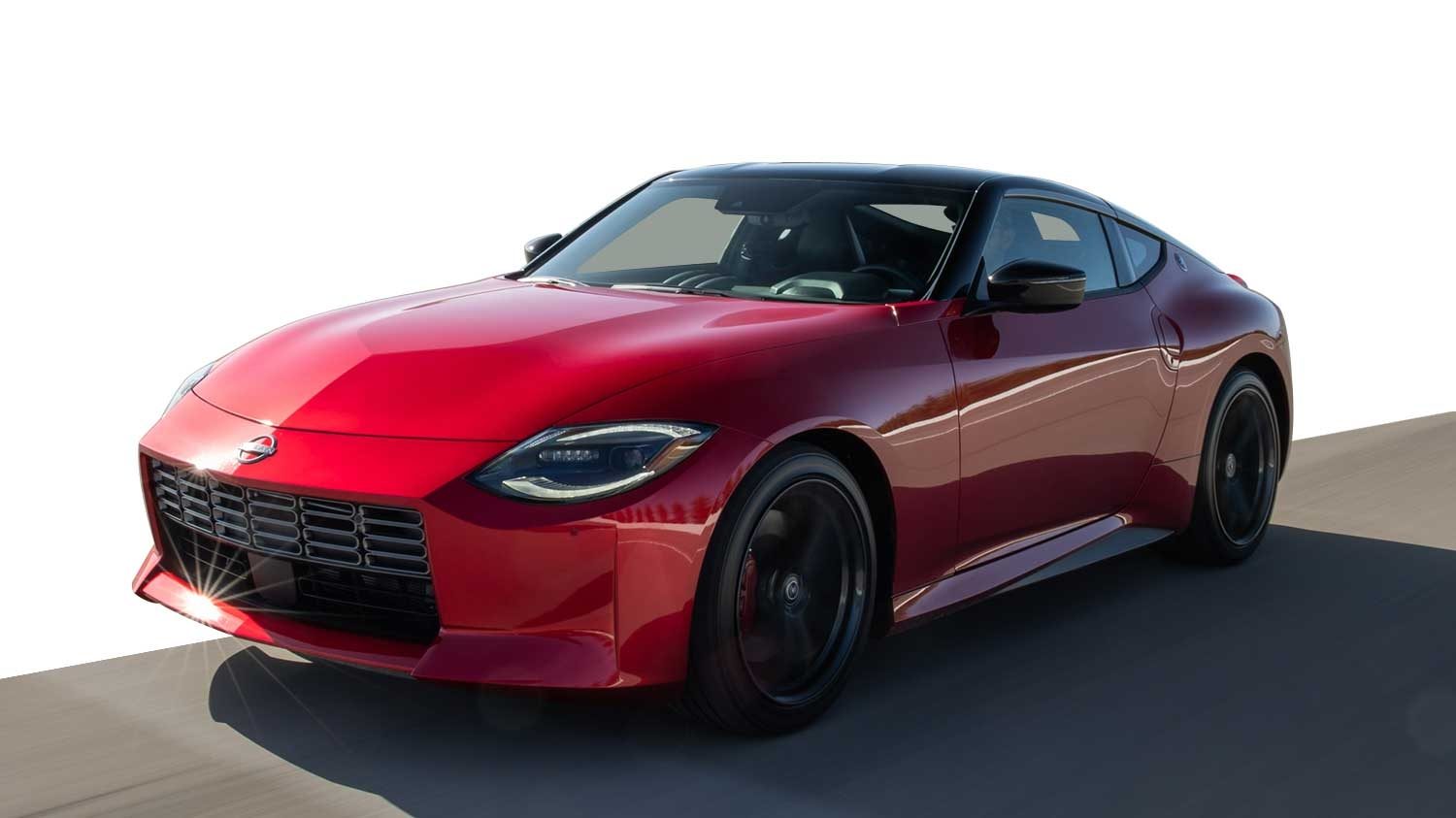
Nissan Z gen 2 2023–present Transmission Reliability Under Real Ownership
Overview
The second-gen Nissan Z (RZ34, 2023–present US cars) is simple on paper. Front engine. Rear-wheel drive. No transfer case. No PTU. No AWD nonsense hiding under the car waiting to empty your wallet.
That simplicity is a good thing.
But early cars? They had some drama. Real, federally-documented drama.
NHTSA Recall 22V-671 hit 2023 automatic-equipped cars. The issue lived inside the JR913E 9-speed automatic. The parking rod and wedge assembly could bind up just enough that the parking pawl didn’t fully engage. You shift to Park. You think you’re good. The car rolls. That’s not a “quirk.” That’s a liability problem.
The fix wasn’t a hardware tear-down. Nissan issued a TCM software reflash to change engagement strategy and detection logic. VIN check tells you if it was done. I don’t care what the seller says. Run the VIN.
Then there’s the manual.
Early 2023 cars with the FS6R31A 6-speed had a grinding 1–2 shift issue. Low miles. Stock cars. Not abuse. Nissan’s answer under quality action P2A19 was simple and expensive: replace the entire transmission assembly. Not a synchro tweak. Not a band-aid fix. Full unit swap.
Those two items define the early reputation of this platform’s drivetrain more than anything else I’ve seen in the field.
Which Transmissions It Uses
There are exactly two transmissions in the US-market second-generation Z. No CVT. No DCT. No secret third option. That’s it.
FS6R31A
- Model code: FS6R31A
- Gear count: 6-speed manual
- Drive layout: RWD
- Engine pairing: VR30DDTT 3.0L twin-turbo V6
- Production years: 2023–present
- Notes: SynchroRev Match; carbon-fiber composite driveshaft on manual cars
This is a traditional rear-drive manual box. No trick dual-clutch behavior. Real clutch pedal. Real synchros.
JR913E (JATCO)
- Model code: JR913E
- Gear count: 9-speed automatic
- Drive layout: RWD
- Engine pairing: VR30DDTT 3.0L twin-turbo V6
- Production years: 2023–present
- Published torque capacity: 700 Nm (516 lb-ft)
This is a torque-converter automatic. Not a CVT. Not a DCT. A conventional planetary 9-speed built by JATCO, rated above the engine’s factory torque output. On paper, it’s not undersized.
No verified alternative transmissions were used in this generation.
Main Failure Patterns
JR913E Parking Pawl Problem — Recall 22V-671
This one matters.
The internal parking rod and wedge mechanism could develop enough resistance to stop full pawl engagement. You shift into Park. The display says P. The pawl may not be fully seated. Release the brake on a slight incline, and the car moves.
I’ve seen this type of failure before on other platforms. It’s usually tolerance stacking. A little friction here. A little misalignment there. Software is supposed to catch it. In this case, Nissan recalibrated the TCM logic to ensure proper engagement strategy.
If the recall is complete, I haven’t seen repeat rollaway complaints stacking up in dealer networks. If it’s not complete, you’re driving around with exposure you don’t need.
FS6R31A 1–2 Grind (Early Production)
Customers described it the same way every time. “It feels like it’s lunching second.” That crunch going from first to second, cold or warm, low miles.
This wasn’t driver abuse. These were new cars.
P2A19 addressed it by replacing the full transmission assembly. That tells you something. When an OEM swaps the whole unit instead of tearing into synchros, they don’t want field rebuild variability.
After replacement, recurrence rates appear low. I’m not seeing piles of repeat repairs on updated units.
Axle Clicking on Takeoff
Nissan issued a technical service bulletin covering clicking noise from the axle-to-hub interface during initial acceleration. The fix? Clean, apply specified grease (Molykote M77), replace retaining hardware if required, torque properly.
That’s a noise fix. Not a grenaded axle. Not differential shavings floating around. Just interface chatter.
In rear-wheel-drive performance cars, this shows up more than people expect. High torque, tight tolerances, minor surface movement. Annoying, yes. Catastrophic, no.
Rear Limited-Slip Differential Wear
Performance trims get a mechanical clutch-type limited-slip differential.
Clutch LSDs make heat. Heat cooks fluid. Cooked fluid kills clutch packs.
OEM service schedules are conservative. In real-world use — spirited driving, hot climates above 95°F (35°C), repeated hard launches — the fluid darkens fast. I’ve drained plenty of “lifetime” differential fluid that smelled like burnt toast at 30,000–40,000 miles (48,000–64,000 km).
No recall. No formal investigation. Just physics.
Carbon-Fiber Driveshaft Reality
Manual cars use a carbon-fiber composite driveshaft. It’s light. It’s strong. It doesn’t like being hit.
I’ve seen more damage from bad lift placement than from torque overload. Tech puts the pad in the wrong spot. Crushes the tube. Owner doesn’t notice until vibration shows up under load.
Steel shafts bend. Carbon cracks. Replacement isn’t cheap.
Typical Repair Costs
Let’s talk money. This is where ownership feelings change.
| Repair | Parts (USD) | Labor (USD) | Total (USD) | Source Type |
|---|---|---|---|---|
| FS6R31A transmission replacement | $2,300–$2,600 | $1,200–$1,800 | $3,500–$4,400 | Service Bay Benchmark |
| JR913E transmission replacement | $5,500–$7,000 | $1,800–$2,500 | $7,300–$9,500 | Industry Estimate |
| Carbon-fiber driveshaft replacement | $1,000–$1,400 | $300–$600 | $1,300–$2,000 | Industry Estimate |
| Rear limited-slip differential assembly | $2,200–$2,500 | $800–$1,200 | $3,000–$3,700 | Service Bay Benchmark |
| Axle clicking TSB repair | $20–$80 | $150–$300 | $170–$380 | Service Bay Benchmark |
The manual tranny is relatively affordable compared to modern dual-clutch units. The 9-speed automatic? Different story. If it ever grenades out of warranty, that’s a serious bill.
Best and Worst Years
| Model Year | Transmission | Recall Exposure | Primary Issue | Relative Risk |
|---|---|---|---|---|
| 2023 (early build) | FS6R31A | Factory quality action | 1–2 grind | Medium |
| 2023 | JR913E | Recall 22V-671 | Parking pawl engagement | Medium (if recall open) |
| 2024 | Both | No transmission recall | No dominant pattern | Low–Medium |
| 2025 | Both | No transmission recall | Still early lifecycle | Low (age limited data) |
Early 2023 builds carry the most documented risk. Later cars benefit from production corrections.
Warning Signs & Early Detection
- Grinding 1–2 shift, manual
- Vehicle movement after selecting Park, automatic
- Clicking during takeoff
- Driveline vibration under load
If I’m inspecting one, I check recall status first. Always. Then I road-test it cold. Cold fluid tells the truth. I shift it gently. Then I shift it hard. I listen. I feel for notchiness, resistance, synchro hesitation.
Operating temperature sits around 180°F (82°C) once fully warm. Behavior can change between cold and hot. Both matter.
I also get under the car. Look at the driveshaft. Look at the differential case. Look for seepage around axle seals. Early seepage isn’t catastrophic, but it’s information.
When to Walk Away
Open recall 22V-671 and seller shrugs? Walk.
Manual car grinds second and there’s no documentation of replacement under P2A19? Walk.
Track-driven car with no differential fluid history? That’s a gamble.
Cracked carbon driveshaft? That’s a negotiation or a goodbye.
Paperwork matters. If a tranny was replaced, I want the repair order with VIN on it. No stories.
Ownership Reality
Here’s where factory guidance and real-world behavior split.
| OEM Position | Field Observation | Financial Consequence |
|---|---|---|
| Standard service intervals sufficient | Turbo torque increases thermal stress on fluid | Earlier shift degradation if driven hard |
| LSD fluid service per schedule | Aggressive use benefits from shorter intervals | Longer clutch-pack life |
| Recall remedy resolves issue | Used buyers skip VIN checks | Residual liability risk |
| Carbon shaft durable | Improper lift placement damages tube | $1,300–$2,000 exposure |
Manufacturers design around warranty windows. Owners live with cars past 60,000 miles (96,000 km). Different mindset.
I’ve seen dozens of performance cars where “lifetime fluid” really meant “lifetime of the warranty.” Shorter fluid cycles are cheap insurance compared to opening a differential full of glitter.
Lawsuits, Complaints & Regulatory History
No verified class-action litigation is targeting the second-generation Nissan Z transmission systems.
Regulatory events tied to this drivetrain:
- NHTSA Recall 22V-671 — JR913E parking pawl engagement
- Factory quality action P2A19 — FS6R31A 1–2 grind
NHTSA complaint volume is relatively low compared to high-production CVT platforms. Production numbers are smaller. Fewer cars. Fewer complaints. That doesn’t mean ignore recalls. It means the failure isn’t clustering at epidemic levels.
Bottom Line
This platform isn’t a ticking time bomb.
It had early production issues. They were identified. They were addressed.
The FS6R31A manual had a messy early run with second gear. The JR913E automatic had a parking pawl logic issue corrected through recall. Beyond that, I’m not seeing systemic grenading or widespread internal shavings reports.
Rear-wheel drive. Simple layout. No CVT drama.
Verify the VIN. Check the paperwork. Service the fluids earlier than the bare minimum. Do that, and this drivetrain setup looks far more stable than a lot of modern over-engineered alternatives.