Transmission Issues, Recalls, and Complaints on the Chevrolet Caprice gen 9 2011–2017
Overview
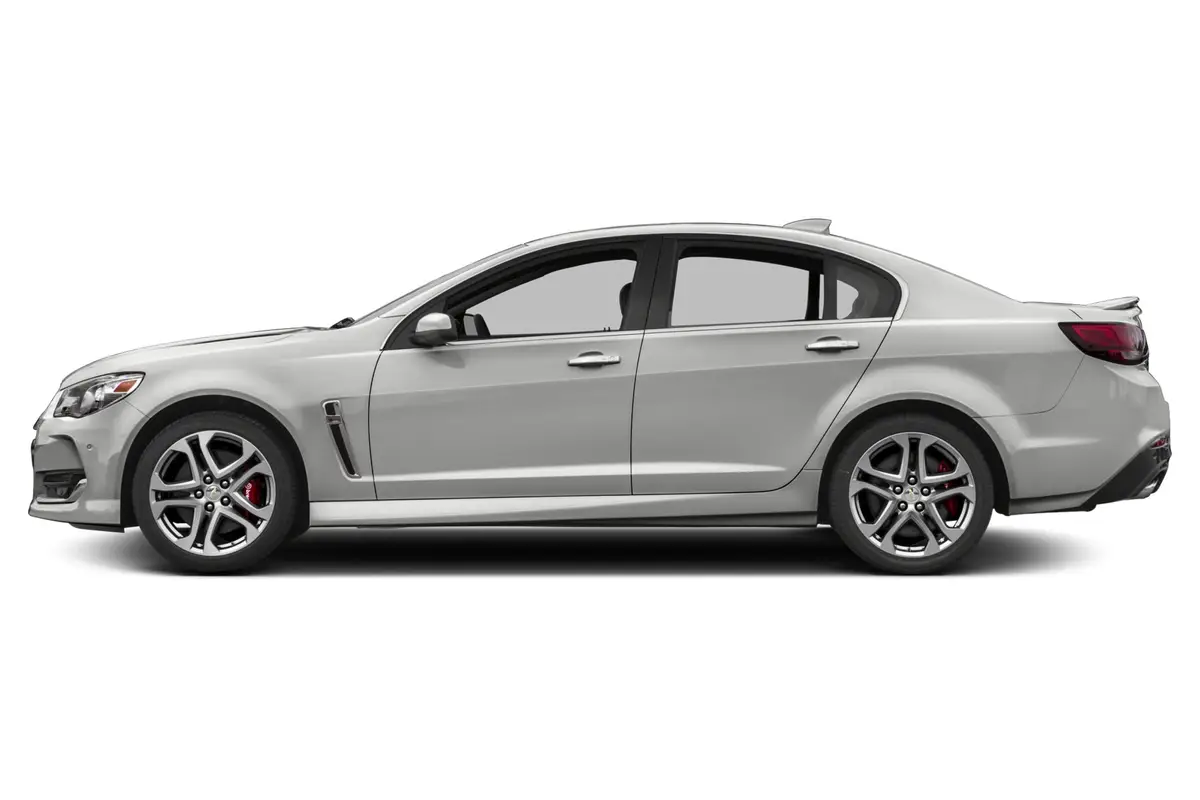
The 2011–2017 Chevrolet Caprice PPV is a weird one. Big sedan. Rear-wheel drive. Built for cops. Sold to fleets. Beat on daily. This wasn’t some grocery-getter spec car. These things idled for hours, got hammered from stoplight to stoplight, jumped curbs, sat baking in 100°F (38°C) heat with the light bar cooking the electrical system. That context matters. A lot.
Drivetrain layout is simple. Longitudinal engine. Six-speed automatic. Single-piece driveshaft. Independent rear suspension with a limited-slip differential on most V8 cars. No AWD. No manual. No dual clutch experiment. Just GM’s Hydra-Matic units doing police duty.
Before we even talk about internal clutch packs and pump wear, we need to address the regulatory stuff. Because ignoring recalls on a car like this is how you inherit someone else’s mess.
Recall 14V544 (GM Campaign 14549)
Applies to 2011–2013 cars. The shift lever assembly had internal pins that could walk out of position. When they moved, the shifter could come out of Park without the brake applied. PRNDL indication could lie to you. That’s not a minor annoyance. That’s a safety defect.
The repair was straightforward: replace the internal roll pin, replace the base pivot pin, install a brake transmission shift interlock retention clip. Done right, it fixes it. If it wasn’t done, the car is a liability. Period. Always run the VIN through NHTSA or GM before purchase.
Customer Satisfaction Program 15803
2014–2015 cars. Rear axle wiring harness tape could unwrap. Tape hits driveshaft. Driveshaft grabs tape. Harness gets chewed up. I’ve seen one wrapped so tight it looked like a weed whacker got loose under the car.
This wasn’t a transmission failure. It was a driveline-adjacent problem. Still, if the harness tears out, you’re not driving anywhere. The fix was securing the harness and replacing damaged wiring. The program expired. Plenty of these never got corrected.
Which Transmissions It Uses
| Transmission Code | Gears | Drive Layout | Engine Pairing | Model Years | Notes |
|---|---|---|---|---|---|
| 6L80 (RPO MYC) | 6 | RWD | 6.0L L77 V8 | 2011–2017 | Main PPV configuration |
| 6L50 (RPO MYB) | 6 | RWD | 3.6L V6 | 2011–2017 | Used in V6 police configuration |
No other transmissions were offered. That’s it. Two variants of the same family.
The 6L80 is the heavy-duty unit. Same basic box GM used behind trucks and V8 Camaros. Big internals. Decent clutch capacity. The 6L50 is the lighter sibling, tuned for the V6 cars. Similar architecture, less torque tolerance.
Both are clutch-to-clutch six-speeds. Integrated TCM. Adaptive learning. No bands. No magic. When they’re healthy, they shift clean. When they’re worn, they get weird fast.
Main Failure Patterns
Shift Lever Assembly Defect
This one isn’t internal to the tranny, but it affects control of it. Displaced pins inside the shifter assembly. Sloppy detent feel. Wrong gear indication. Park that isn’t really Park.
I’ve seen departments ignore this because “it still moves.” Bad idea. If the recall wasn’t done, do it. No excuses.
6L80 Pump Cover / Stator Support Bolt Issue
This is where things get mechanical.
GM service bulletins in the PIP5175 family addressed complaints like delayed engagement, launch shudder, harsh 1–2 upshift, and occasional slip in lower gears. The root cause in many of those cases? Internal hydraulic pressure loss. The stator support to pump cover fasteners loosen, or the gasket doesn’t seal correctly.
When pressure drops, clutch apply timing goes sloppy. You feel it as a shudder. Or a bump. Or that awkward pause when you drop it into Drive and nothing happens for a second.
Ignore it long enough and the 3–5–R clutch starts shedding material. Then you’ll find shavings in the pan. Once that happens, you’re past the band-aid fix stage.
In my experience, most of these show up between 120,000 and 150,000 Miles (193,000–241,000 km) in fleet-driven V8 cars. V6 units seem to go a bit longer under lighter use.
Filter Housing Cracking
Covered in GM PI0488-series guidance.
The plastic transmission fluid filter can crack if pump pressure spikes from wear. Cold starts. Pressure irregularity. Filter housing splits. Fluid starvation follows.
Customer complaint is usually simple: “It won’t move.” No forward. No reverse. Or it grabs, slips, then grabs again. Replace the filter alone and you’re fooling yourself. The pump has to be inspected. If the pump is scored, you’re rebuilding.
Heat. Lots of Heat.
Police cars idle forever. Transmission sump temps climb past 200°F (93°C) easily. I’ve logged 215°F (102°C) on units that sat idling for extended shifts.
Fluid cooks. It darkens. It smells burnt. Solenoids get sticky. Adaptives stretch out. By 60,000–80,000 Miles (96,000–129,000 km) in heavy-duty fleet cars, the fluid already looks tired. That’s not a design flaw. That’s severe duty.
Ignore fluid. Pay later.

Rear Differential Wear
Most 6.0L V8 cars use a 2.92 limited-slip rear differential. Tough unit. But high-speed pursuit driving loads bearings hard.
Carrier bearings start whining on decel. Pinion seals sweat. Axle seals leak. Usually after 140,000–180,000 Miles (225,000–290,000 km).
It’s not dramatic. Just gradual wear. Unless someone ran it low on fluid. Then it gets expensive fast.
Harness and Driveshaft Interaction
The CSP 15803 issue deserves repeating because I’ve seen it missed. If the harness tape unwraps and wraps the shaft, it can rip connectors out. The driveshaft itself is fine. The wiring isn’t.
Quick underbody inspection saves headaches.
Typical Repair Costs
| Repair Type | Parts (USD) | Labor (USD) | Total (USD) | Context |
|---|---|---|---|---|
| Recall 14V544 Repair | $0 | $0 | $0 | If recall open and completed |
| 6L80 Pump Cover / Internal Repair | $400–$700 | $1,500–$2,500 | $1,900–$3,200 | Service Bay Benchmark |
| Full 6L80 Rebuild | $1,800–$2,800 | $2,000–$3,000 | $3,800–$5,800 | Industry Estimate |
| Reman 6L80 Install | $3,000–$4,500 | $1,200–$2,000 | $4,200–$6,500 | Industry Estimate |
| Rear Differential Reseal | $80–$200 | $400–$800 | $480–$1,000 | Service Bay Benchmark |
Diagnostic scan and evaluation usually runs $120–$200. Fluid service? $250–$400 depending on region. Cheap insurance.
I’ve seen departments skip fluid changes entirely because the manual didn’t scream for it. Then the tranny grenaded at 150k. Preventable.
Best and Worst Years
| Model Year Range | Transmission | Regulatory Exposure | Primary Concern | Risk Level |
|---|---|---|---|---|
| 2011–2013 | 6L80 / 6L50 | Recall 14V544 | Shift lever defect | Moderate |
| 2014–2015 | 6L80 / 6L50 | CSP 15803 | Harness/driveshaft issue | Moderate |
| 2016–2017 | 6L80 / 6L50 | No federal recall | Age-related wear | Lower |
There isn’t a “bad year” where the gearbox is a ticking time bomb from the factory. The differences are recall exposure and fleet abuse history.
Warning Signs & Early Detection
Delayed engagement. Harsh 1–2 shift. Launch shudder. Burnt fluid smell. Those are your early clues.
If you pull the pan and see metallic glitter or clutch debris chunks, you’re not catching it early anymore. That’s active damage.
Rear diff whining on decel at 45–60 MPH (72–96 km/h). Look for seepage around axle seals. Check the harness routing near the driveshaft. It takes five minutes on a lift.
Scan data matters. Adaptive shift values that are maxed out tell you the clutches are compensating. That’s a warning light without a dashboard light.
When to Walk Away
- Multiple gears slipping under load
- Metal chunks in transmission pan
- No fluid service history on a high-idle fleet unit
- Open Recall 14V544
- Visible harness damage from driveshaft contact
If it’s lunching gears during a test drive, don’t negotiate. Leave.
Ownership Reality
| OEM Position | Field Observation | Financial Impact |
|---|---|---|
| Extended fluid interval under normal use | Police duty equals severe service; fluid degrades earlier | Delayed service leads to clutch wear |
| No routine internal inspection required | High-idle cars show debris sooner | Earlier rebuild risk |
| Rear differential durable | High-speed use accelerates seal wear | Reseal or bearing replacement costs |
In my experience, 50,000–60,000 Mile (80,000–96,000 km) fluid intervals are smart on these cars. I don’t care what the book says. Severe duty changes the math.
Ignore that, and you’re budgeting for a $4,000–$6,000 rebuild later. That’s just reality.
Lawsuits, Complaints & Regulatory History
No major class-action litigation tied specifically to the Caprice PPV transmission.
The primary federal action is Recall 14V544 for the shift lever assembly. CSP 15803 addressed the harness issue. There has been no NHTSA engineering analysis escalation targeting internal 6L80 or 6L50 failures in this platform.
Compared to GM truck applications using the same 6L80 architecture, complaint clustering for this sedan platform is lower. Fleet volume was smaller. Use pattern was harsher. Data reflects that.
Bottom Line
The 6L80 and 6L50 in the 2011–2017 Chevrolet Caprice PPV are tough transmissions. Not perfect. Not fragile either.
Most failures come down to heat, mileage, and skipped maintenance. Well-serviced units can clear 200,000 Miles (322,000 km). Neglected fleet cars often need overhaul in the 130,000–160,000 Mile (209,000–257,000 km) range.
Check recalls. Inspect fluid. Scan it properly. Don’t buy blind just because it “drives fine.” I’ve torn down enough of these to know how quickly fine turns into expensive.