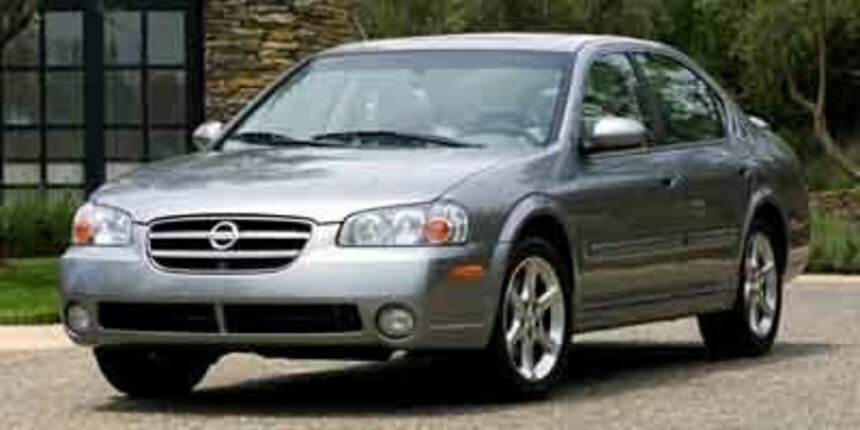
Nissan Maxima gen 5 2000–2003 Transmission: Common Issues and Expert Verdict
Overview
The 2000–2003 Nissan Maxima. A33 chassis. Simple layout. Front-wheel drive only. No AWD drama. No transfer case hiding under the floor. No PTU waiting to explode at 80,000 miles.
This generation used old-school transverse transaxles. Hydraulic automatic. Cable-and-rod manual boxes. No CVT. No dual-clutch science project. Just gears, clutch packs, solenoids, fluid. I’ve worked on these since they were still under factory warranty. Back when 120,000 miles felt high.
There were no transmission recalls on this platform in the U.S. None. NHTSA Recall 15V-287 covered Takata airbag inflators on certain 2001–2003 models. Airbags, not drivetrains. No federal recall ever targeted the RE4F04B, RS5F50A, or RS6F51A in this chassis.
So if the tranny fails, it’s not because Washington forced Nissan to admit a defect. It’s age. Heat. Maintenance. Or lack of it.
Which Transmissions It Uses
RE4F04B
- 4-speed electronically controlled automatic transaxle
- Front-wheel drive (FWD)
- Used 2000–2003
- 3.0L VQ30DE (2000–2001)
- 3.5L VQ35DE (2002–2003)
- No alternative automatic offered in this generation
This is Nissan’s long-running 4-speed unit. It showed up in everything from Maximas to Altimas to early Pathfinders in different forms. By the time it landed in the 2000 Maxima, it wasn’t new tech. It was proven. But proven doesn’t mean immortal.
RS5F50A
- 5-speed manual transaxle
- Front-wheel drive (FWD)
- Used 2000–2001
- 3.0L VQ30DE pairing
- No other 5-speed manual offered
Simple box. Cable shift. Tough.
RS6F51A
- 6-speed manual transaxle
- Front-wheel drive (FWD)
- Used 2002–2003
- 3.5L VQ35DE pairing
- No alternative 6-speed manual offered
The 3.5L cars stepped up to six gears. Same front-drive layout. Same integrated differential. No factory limited-slip in U.S. cars. Open diff only. You spin one tire and that’s your life.
Main Failure Patterns
RE4F04B – The 2–3 Flare
This is the big one. The classic complaint.
You roll into the throttle. First gear pulls. Second hits fine. Then the RPM jumps before third grabs. That little flare. That hesitation. That’s not your imagination. That’s clutch wear.
In my experience, this is 3rd clutch pack material thinning out and line pressure not keeping up. The valve body bores wear. Internal seals harden. Fluid gets cooked. It becomes a messy failure, not an instant grenade. The car still moves. It just feels wrong.
Service Bay Benchmark: 90,000 to 150,000 miles (145,000–240,000 km). Earlier if fluid was ignored.
People try fluid changes at this stage. Sometimes it smooths things for a few weeks. Band-aid fix. Once it’s flaring consistently, the friction material is already shedding microscopic shavings into the pan.
Delayed Reverse Engagement
Shift into reverse. Nothing. One second. Two seconds. Then it slams in.
I’ve seen dozens of these. Hot soak makes it worse. Cold it feels normal, which tricks owners into thinking it’s “just a quirk.” It’s not a quirk. It’s hydraulic bleed-down and worn reverse clutch seals.
Most of the time this shows up past 120,000 miles (193,000 km). Sometimes paired with 2–3 flare. Same aging internals. Same tired seals.
Heat and Long Highway Pulls
The RE4F04B isn’t over-engineered. It’s adequate. Put it behind the 3.5L making around 246 lb-ft (334 Nm), and you’re loading the same hardware harder than the earlier 3.0L cars.
Drive 80 mph in July. 100°F (38°C) outside. Fluid temp climbs. Old ATF thins out. Worn clutches start slipping under load. I’ve had customers come in saying, “It only acts up on road trips.” That’s heat saturation.
No external cooler upgrade from the factory. No fancy adaptive pressure logic like modern 6- or 8-speeds. It does what it was designed to do. And after 150,000 miles, sometimes that’s not enough.

Axle Seal Leaks
Common. Not dramatic.
The output shaft seals on both sides seep over time. Especially after someone slaps in aftermarket CV axles and reuses the old seals. Then the car leaves little red spots in the driveway.
Ignore it long enough and fluid drops. Line pressure drops. Clutches slip. Now your $25 seal became a $3,500 rebuild.
Service Bay Benchmark: 120,000–180,000 miles (193,000–290,000 km).
Manual Transmission Behavior
The RS5F50A and RS6F51A are solid boxes. They don’t randomly grenade.
What I see:
- Clutch discs worn out. Normal.
- Input shaft bearing noise at very high mileage.
- Second or third gear synchro getting crunchy if the driver likes to rush shifts.
Many of these go 200,000 miles (320,000 km) without internal work. The gearbox itself isn’t the ticking time bomb. The driver usually is.
Typical Repair Costs
Let’s talk money. Because this is where feelings change fast.
| Repair Type | Parts (USD $) | Labor (USD $) | Total (USD $) | Context |
| ATF Drain & Fill (Approx. 4 Quarts / 3.8 Liters) | $60–$120 | $100–$180 | $160–$300 | Preventive service |
| Axle Seal Replacement | $20–$50 | $180–$350 | $200–$400 | Leak repair |
| CV Axle Replacement (per side) | $120–$300 | $180–$350 | $300–$650 | Clicking or torn boot |
| Valve Body Replacement | $500–$1,000 | $700–$1,200 | $1,200–$2,200 | Shift flare present |
| Full Transmission Rebuild (RE4F04B) | $1,500–$2,500 | $1,500–$2,000 | $3,000–$4,500 | Clutch failure |
| Used Transmission Replacement | $900–$1,800 | $900–$1,500 | $1,800–$3,300 | Unknown history |
Industry Estimate right now: $3,200–$3,800 for a properly rebuilt RE4F04B installed. That’s assuming no surprises. No broken mounts. No stripped subframe bolts.
A used unit is cheaper up front. It’s also a gamble. You might be installing someone else’s worn clutch packs.
Best and Worst Years
| Model Year | Engine | Transmission | Observed Pattern | Relative Risk |
| 2000 | 3.0L VQ30DE | RE4F04B / RS5F50A | Age-related automatic wear | Medium |
| 2001 | 3.0L VQ30DE | RE4F04B / RS5F50A | Similar to 2000 | Medium |
| 2002 | 3.5L VQ35DE | RE4F04B / RS6F51A | Higher torque load | Medium-High |
| 2003 | 3.5L VQ35DE | RE4F04B / RS6F51A | Similar to 2002 | Medium-High |
The 3.5L cars push more torque through the same 4-speed hardware. No redesign. No major clutch capacity jump. Over time that matters. I see slightly shorter automatic life in the 2002–2003 cars when maintenance wasn’t great.
Manual cars? Almost boring in comparison.
Warning Signs & Early Detection
- RPM flare on the 2–3 shift.
- Reverse delay when hot.
- Burnt ATF smell.
- Harsh engagement after a long highway drive.
- Fluid wetness at axle outputs.
If I’m inspecting one, I scan for transmission-related codes. Then I drive it hard enough to force the 2–3 shift under load. Light throttle won’t expose much. Moderate pull will.
Fluid should be red to dark red. If it’s brown with visible debris, you’re looking at friction material in suspension. That’s internal wear talking.
Fluid analysis is underrated. You can catch elevated clutch material before the tranny starts lunching gears.
When to Walk Away
Consistent 2–3 flare? Walk.
Reverse takes more than two seconds to engage hot? Walk.
Metal shavings in the pan? Definitely walk.
At this vehicle’s market value, a $4,000 rebuild can exceed what the whole car is worth. I’ve watched owners sink money into one of these thinking it’s a cheap commuter, then get blindsided.
Ownership Reality
| Topic | OEM Guidance | Real-World Outcome | Financial Impact |
| ATF Service Interval | Long interval guidance | Fluid oxidizes by 60k–80k miles | Clutch wear accelerates |
| “Lifetime” Fluid Assumption | No frequent change emphasis | Heat breaks fluid down | $3,000+ rebuild risk |
| 3.5L Torque Load | No transmission redesign | Higher internal stress | Reduced long-term margin |
| Used Transmission Swap | Lower upfront cost | Unknown wear condition | Possible repeat failure |
Manufacturers love long service intervals. It looks good on paper. In real shops, fluid that’s gone 100,000 miles is dark, smells burnt, and carries fine friction debris.
Service Bay Benchmark: change ATF every 40,000–50,000 miles (64,000–80,000 km) and these can push past 180,000 miles (290,000 km). Ignore it, and many fail between 120,000–150,000 miles (193,000–240,000 km).
I’ve opened high-mileage RE4F04B units with heavy varnish and clutch shavings in the pan. No explosion. Just slow death.
Lawsuits, Complaints & Regulatory History
No class-action lawsuits targeted the transmission systems of this generation in the U.S.
NHTSA complaints include slipping, loss of reverse, premature failure at higher mileage. None advanced to an Office of Defects Investigation that resulted in a recall for the gearbox.
Recall 15V-287 applies to certain 2001–2003 vehicles for airbag inflators. Not drivetrain related.
VIN checks through the NHTSA database will confirm recall status. For the tranny itself, you’re relying on inspection and service records, not federal protection.
Bottom Line
This drivetrain isn’t exotic. It isn’t brilliant either. It’s durable if you respect it.
The manual gearboxes are tough and straightforward. The RE4F04B automatic is sensitive to heat and maintenance. Neglect it and it will slowly wear itself out. Maintain it and it will run a long time without drama.
No built-in ticking time bomb. No hidden recall trap. Just aging hardware that tells you, clearly, when it’s getting tired.
Listen to it. Or pay for it.