How the Nissan 370Z gen 1 2009–2020 Transmission Actually Fails
Overview
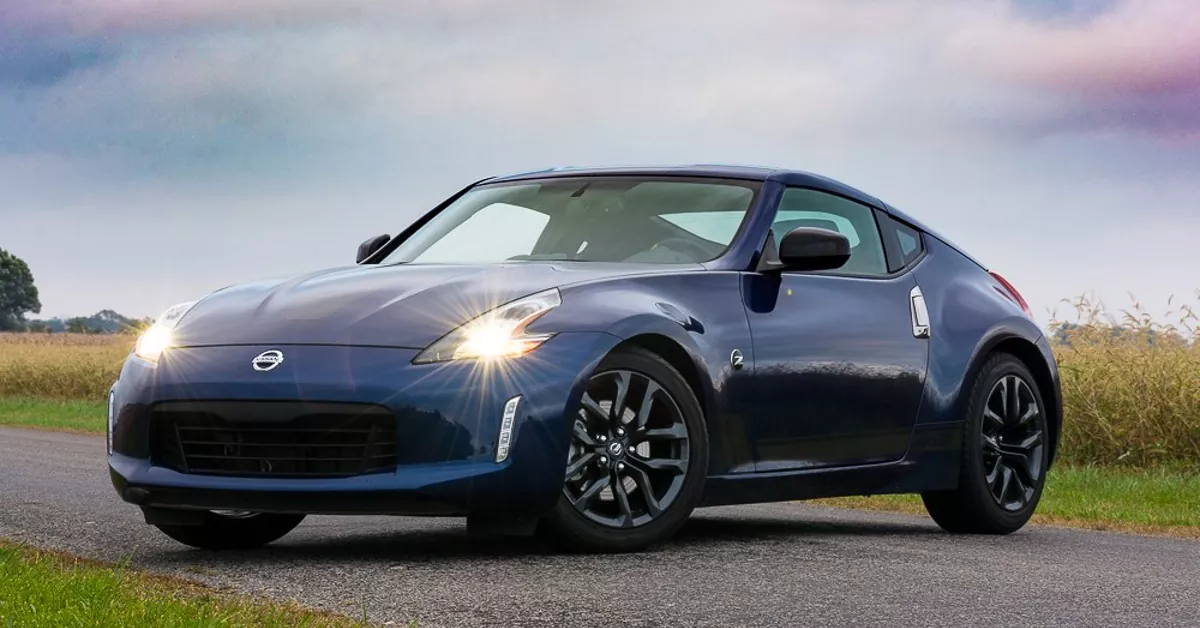
Simple layout. Rear-wheel drive. Big V6 up front. That’s the 2009–2020 Nissan 370Z in a nutshell.
No AWD nonsense. No transfer case hanging underneath. No PTU waiting to leak all over your driveway. Just a longitudinal engine, a tranny bolted behind it, a driveshaft, and an R200 rear differential. Old-school sports car architecture. I like that.
But simple doesn’t mean bulletproof. I’ve had plenty of these on lifts with the transmission on the floor and the owner staring at a four-figure estimate wondering how a “basic” drivetrain turned into a wallet punch.
Two transmissions. That’s it. One manual, one automatic. And they behave very differently once you stack miles on them in real-world U.S. heat, traffic, and stoplight launches.
Which Transmissions It Uses
FS6R31A – 6-Speed Manual
- Model code: FS6R31A
- 6 forward gears
- Rear-wheel drive only
- Paired exclusively with the VQ37VHR 3.7L V6
- Used 2009–2020
- Internal concentric slave cylinder (CSC)
- SynchroRev Match on most trims
This is the one everyone wants. Row-your-own. Rev-match blips. Feels mechanical. Feels alive.
And buried inside the bellhousing is the part that causes most of the drama.
RE7R01A – 7-Speed Automatic
- Model code: RE7R01A
- 7 forward gears
- Rear-wheel drive
- Paired exclusively with the VQ37VHR 3.7L V6
- Used 2009–2020
- Torque converter automatic with electronic valve body
This is a conventional torque converter unit. No dual-clutch theatrics. No CVT belts waiting to explode. It’s shared with other Nissan and Infiniti RWD cars, which helps parts availability and long-term serviceability.
No verified alternative transmissions were offered in this generation. If it’s a U.S. car, it’s one of these two.
Main Failure Patterns
FS6R31A – The Concentric Slave Cylinder Problem
Let’s get to it. The internal CSC.
I’ve seen dozens of these fail. Pedal drops to the floor. Customer pumps it. Gets one more shift. Then nothing. Tow truck.
The concentric slave cylinder sits inside the bellhousing around the input shaft. When the internal seal gives up, hydraulic pressure bleeds off and the clutch won’t disengage. You’re stuck.
Nissan issued TSB NTB13-026b for clutch pedal non-return in early models, mostly 2009–2010 builds. The bulletin calls for flushing the system and replacing the fluid with GT-R R35 brake fluid spec. That’s a heat-management move. It is not a redesign.
Band-aid fix. Fluid helps. It does not change the fact that the slave cylinder lives in a hot, dirty environment surrounded by clutch dust and heat cycles.
In my experience:
- Failure window: 25,000–80,000 Miles (40,000–129,000 km)
- Earlier if tracked or abused
- More common in hot climates where underbody temps stay elevated
When it fails, the transmission has to come out. There is no shortcut. Anyone quoting you a cheap fix without pulling the tranny is either guessing or lying.
Clutch Wear – Normal, Until It Isn’t
Factory torque output sits around 270 lb-ft (366 Nm). The stock clutch can handle that. Barely.
Drive it gently and you’ll see 70,000–110,000 Miles (113,000–177,000 km). Start launching it. Start slipping it in traffic. You’ll be lucky to see 50,000.
Once the tranny is out for a CSC, most smart owners replace the clutch at the same time. Paying labor twice is ridiculous.
Heat is the killer here. You’ll see glazing, pressure plate hot spots, throwout bearing noise. Shavings inside the bellhousing. Messy failure, not dramatic, just worn out.
RE7R01A – Valve Body and Fluid Neglect
The 7-speed automatic doesn’t have the same ticking time bomb issue. It’s sturdier. But neglect it and it will punish you.
I’ve opened pans at 120,000 Miles (193,000 km) and the fluid is black, smells burnt, and the magnet is covered in paste. That’s not “lifetime fluid.” That’s denial.
Common complaints:
- Harsh 2–3 shift
- Delayed engagement from Park to Drive
- Light throttle shudder at 40–55 mph (64–88 km/h)
The shudder is usually torque converter clutch glazing. Sometimes a fluid exchange improves it. Sometimes it’s already cooked.
Sustained fluid temps above 230°F (110°C) accelerate wear. Southwest summers, long highway pulls, or repeated hard driving will get you there fast.
Torque Converter Issues
When the torque converter clutch starts slipping, you feel it as a vibration under light load. Feels like driving over rumble strips for a split second. Owners think it’s a misfire. It’s not.
If the friction material is already worn thin, fluid service won’t save it. At that point, the transmission has to come out. Again.
Rear Differential – R200 Series
The R200 rear diff is solid. I rarely see catastrophic failures unless the car’s been abused or run dry.
What I do see:
- Highway-speed gear whine
- Clunk when transitioning from throttle to decel
Most of that is wear. Sometimes fluid neglect. Sometimes just age. Sport models with viscous limited-slip differentials can feel grabby when fluid is old.
Change the diff fluid every 30,000–40,000 Miles (48,000–64,000 km) if you drive hard. That’s my rule in the real world.
Typical Repair Costs
Let’s talk money. Because this is where owners get blindsided.
| Repair | Parts (USD) | Labor (USD) | Total (USD) | Notes |
| CSC Replacement (Manual) | $250–$500 | $900–$1,500 | $1,200–$2,000 | Transmission removal required |
| Clutch + CSC Replacement | $800–$1,500 | $1,000–$1,600 | $1,800–$3,100 | Smart to combine services |
| Valve Body (RE7R01A) | $1,200–$1,800 | $700–$1,200 | $1,900–$3,000 | High-mileage units |
| Torque Converter Replacement | $700–$1,100 | $1,000–$1,600 | $1,700–$2,700 | Transmission removal required |
| Rear Differential Rebuild | $900–$1,600 | $800–$1,400 | $1,700–$3,000 | Depends on gear damage |
A full transmission replacement can climb past $5,000–$6,500 USD installed. That’s when owners start talking about selling the car “as-is.”
Best and Worst Years
| Model Years | Transmission | Main Risk | Regulatory Reference | Risk Level |
| 2009–2010 | FS6R31A | Clutch pedal non-return / heat-related hydraulic issue | TSB NTB13-026b | Higher (Manual Only) |
| 2011–2014 | FS6R31A | CSC wear | No recall | Moderate |
| 2015–2020 | FS6R31A | Normal wear + CSC pattern | No recall | Moderate |
| All Years | RE7R01A | Fluid-related wear at high mileage | No recall | Low–Moderate |
The early manuals carry the most documented complaints tied to pedal return. Later cars didn’t magically eliminate CSC failures, but the heat-related clustering was strongest at the beginning.
Warning Signs & Early Detection
- Clutch pedal engagement point changes after spirited driving
- Pedal feels soft when hot
- Automatic hesitates engaging Drive
- Shudder under light throttle in higher gears
- Rear differential whine rising with speed
If you’re serious about buying one, get a scan tool on it. Look at transmission temperature data. Check for stored shift solenoid codes. Inspect fluid color. Dark brown isn’t “fine.” It’s cooked.
On manual cars, check the clutch fluid reservoir. If it’s black, that system’s been hot.
When to Walk Away
Some cars aren’t worth saving.
- Manual with repeated documented CSC failures
- Automatic that still shudders after fresh fluid
- Burnt transmission smell after a short test drive
- Grinding shifts during normal driving
- No transmission service history past 90,000 Miles (145,000 km)
If the seller says “they all do that,” walk. I’ve heard that line too many times.
Ownership Reality
Here’s where factory recommendations and real life part ways.
| Category | OEM Guidance | Real-World Experience | Financial Impact |
| Manual Clutch Fluid | No aggressive interval specified | Fluid overheats and degrades in spirited driving | CSC repair $1,200–$2,000 |
| Automatic Fluid | Extended service interval depending on use | Neglect leads to valve body wear by 100k+ Miles | $2,000+ repairs |
| Differential Fluid | Periodic inspection | Hard driving requires earlier changes | $2,000+ rebuild if ignored |
| Powertrain Warranty | 5 years / 60,000 Miles | Many manual failures occur near or just after expiration | Owner pays out of pocket |
I’ve watched owners skip a $200 fluid service and end up with a $2,000 repair. It happens constantly.
This drivetrain rewards maintenance discipline. Ignore it, and it gets expensive fast.
Lawsuits, Complaints & Regulatory History
No federal safety recall was issued for the FS6R31A or RE7R01A in this generation.
NHTSA complaint data shows clustering around clutch pedal non-return in early manual cars, which led to TSB NTB13-026b instead of a recall.
No engineering analysis resulted in a mandatory transmission recall. No federal class action settlement specific to the 370Z transmission system has been finalized.
This isn’t a scandal-driven drivetrain. It’s more of a known weak spot situation on the manual side.
Bottom Line
The 2009–2020 370Z drivetrain isn’t fragile. It isn’t perfect either.
The FS6R31A manual’s internal slave cylinder is the big story. If you own one, budget for it. If you’re buying one, assume it hasn’t been done unless you see proof.
The RE7R01A automatic is strong when serviced. Let the fluid cook, and it’ll start lunching gears and slipping clutches like any neglected torque converter unit.
The rear differential is durable, just not maintenance-free.
Take care of it and this car will run deep into six-digit mileage. Ignore it and you’ll learn what transmission labor costs real quick.