Nissan Versa gen 2 2012–2019 CVT Transmission Failures Seen in Real Service Bays
Overview
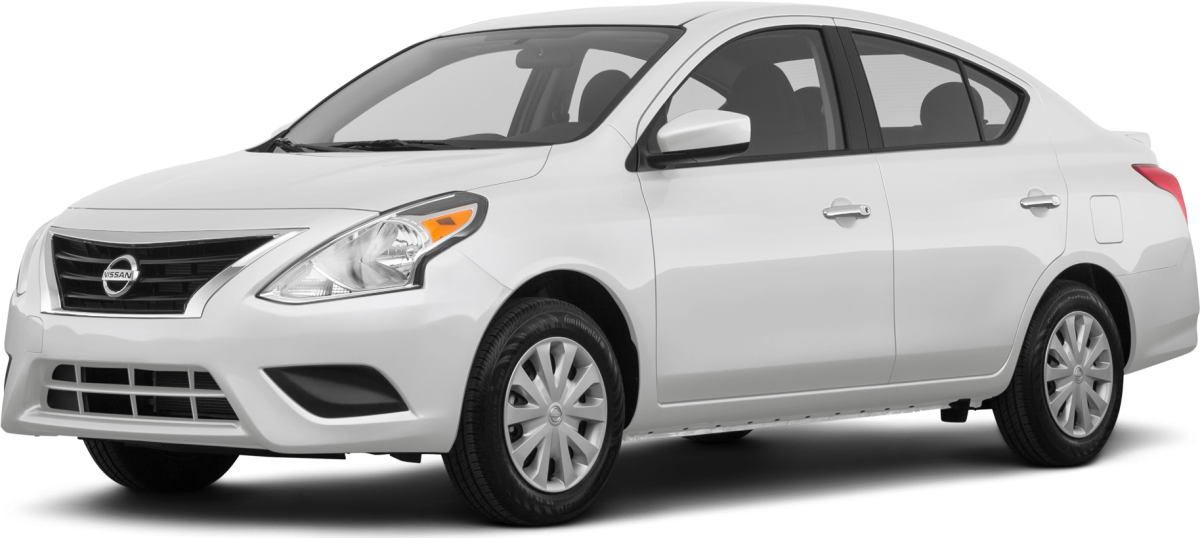
The 2012–2019 Nissan Versa sedan. Cheap car. Simple mission. And hanging off the back of that 1.6L HR16DE is the part that decides whether ownership is boring… or a financial migraine.
This whole generation rides on one transmission: the Jatco RE0F11A CVT. No AWD option. No manual alternative in most U.S. volume trims once CVT took over. Just a light-duty belt-driven unit trying to survive American heat, traffic, and neglected maintenance schedules.
Nissan didn’t extend the CVT warranty to 7 years or 84,000 miles (135,000 km) out of kindness. They extended it because complaint volume stacked up. The original coverage was 5 years or 60,000 miles (96,000 km). After enough judder complaints, pressure codes, and replacement units, they expanded coverage on 2012–2017 models. Then 2018–2019 got folded into similar coverage terms.
Two factory bulletins tell the story better than any marketing brochure ever could:
- NTB17-034 and its revisions — CVT judder, DTC P17F0, P0746, P0965, P0846.
- NTB15-082 — DTC P0705 caused by water intrusion interfering with the transmission range circuit.
This drivetrain is front-wheel drive only. No transfer case. No rear diff. No center coupling. When something goes wrong, it’s almost always in the CVT or the front axle interfaces.
I’ve seen dozens of these. Some go 150,000 miles (241,000 km). Some start shuddering before 70,000 miles (113,000 km). Same hardware. Different fate.
Which Transmissions It Uses
RE0F11A (Jatco JF015E)
- Type: Steel belt continuously variable transmission
- Gear Count: Infinite ratio, simulated stepped logic
- Drive Layout: FWD
- Engine Pairing: 1.6L HR16DE
- Production Years: 2012–2019 U.S. Versa sedan
That’s it. One unit. No verified alternative transmissions used in this generation.
The RE0F11A is a light-duty CVT designed for small displacement engines. It runs Nissan NS-3 fluid. A standard drain-and-fill usually gets about 4–5 Quarts (3.8–4.7 Liters) out. Total capacity is higher, but you’re not getting all of it without proper equipment.
It’s not built for abuse. It’s built for economy.
Main Failure Patterns
Judder. The Classic.
This is the big one. The complaint that keeps coming back.
You’re cruising at 30 mph (48 km/h). Light throttle. The car starts vibrating like it’s driving over rumble strips. RPM wanders. Feels like the tranny is slipping but not quite. That’s early belt and pulley wear.
- Shudder between 20–40 mph (32–64 km/h)
- Vibration under light acceleration
- RPM flare without matching vehicle speed
- DTC P17F0 stored
NTB17-034 lays out a diagnostic path. Drop the pan. Look for shavings. Inspect the belt. Check for debris. In real service bays, once you see metallic shimmer in the fluid, it’s rarely a band-aid fix. The unit is on borrowed time.
The steel belt rides between variable pulleys. When hydraulic pressure isn’t stable — and that happens once fluid degrades — the belt starts wearing the pulley faces. Tiny particles. Then more. Then the fluid turns into liquid sandpaper.
Messy failure.
Valve Body and Pressure Control Solenoid Issues
P0746. P0965. I can almost call them before I plug in the scan tool.
Symptoms:
- Delayed engagement into Drive or Reverse
- RPM flare when accelerating from a stop
- Fail-safe mode
Sometimes replacing the valve body saves it. I’ve done it. Car drives fine for years. Other times the new valve body is just a temporary patch because the internal surfaces are already scored. The customer thinks it’s fixed. Six months later, it’s back. More shavings.
This transmission lives and dies by hydraulic control. Once pressure gets unstable, everything accelerates downhill.
P0846 – Fluid Pressure Sensor Performance
This code tends to show up when internal pressure readings drift outside expected range. It can be sensor-related. It can be internal wear. On higher-mileage units, it’s rarely just a wiring issue.
When you see P0846 and the fluid smells burnt, you brace the customer for bad news.
P0705 – The Misdiagnosis Trap
NTB15-082 addressed 2012–2014 models where water got into the tail lamp assemblies. Corrosion messed with the transmission range signal.
Car hesitates. Won’t start. Gear indicator acts drunk.
It looks like the tranny is failing. It isn’t. I’ve seen shops quote full transmission replacements for what was basically a wiring contamination issue at the rear of the car. Clean it up, replace the affected lamp assembly, code gone.
Not every Versa hesitation is internal damage. But most shudder cases are.
Axle and Hub Clicking
There’s also the classic clicking on takeoff. Nissan published guidance on axle-to-hub interface noise.
Axle nut torque spec: 133 lb-ft (180 Nm).
If that nut’s been reused or under-torqued, you get a click when loading and unloading the axle splines. Annoying. Not catastrophic. Customers think the tranny is lunching gears. It’s not.
Heat. Always Heat.
This CVT hates heat. Sustained ambient temperatures over 95°F (35°C), stop-and-go traffic, long highway runs in summer — fluid temps climb. I’ve logged fluid temperatures north of 220°F (104°C) in normal driving.
Once fluid oxidizes, viscosity changes. Pressure control gets sloppy. Belt clamping force drops. Wear accelerates.
The Versa doesn’t run a heavy-duty external cooler in standard trim. It’s a light economy setup. That matters in Arizona. It matters in Texas.
Typical Repair Costs
Let’s talk money. Because this is where ownership reality hits.
| Repair Type | Parts (USD) | Labor (USD) | Total (USD) | Mileage Context |
|---|---|---|---|---|
| New OEM CVT Replacement | $3,500–$4,500 | $1,200–$1,800 | $4,700–$6,300 | 60k–120k Miles (96k–193k km) |
| Remanufactured CVT | $2,500–$3,500 | $1,200–$1,800 | $3,700–$5,300 | 70k–140k Miles (113k–225k km) |
| Valve Body Replacement | $800–$1,200 | $600–$900 | $1,400–$2,100 | 50k–100k Miles (80k–160k km) |
| Axle Shaft Seal Replacement | $20–$50 | $220–$350 | $250–$400 | Variable |
Industry Estimate based on shop averages. Prices swing by region, but the pattern holds.
Once you’re past 84,000 miles (135,000 km) and out of warranty, you’re staring at a bill that can equal half the car’s resale value. That’s when people start asking about trade-in instead of repair.
Best and Worst Years
Same transmission every year. Same architecture. But complaint density shifted a bit.
| Model Year | Transmission | Warranty Extension | Dominant Pattern | Overall Risk |
|---|---|---|---|---|
| 2012 | RE0F11A | Yes | Early belt wear cases | High |
| 2013–2014 | RE0F11A | Yes | Judder, P0705 circuit issue | High |
| 2015–2017 | RE0F11A | Yes | Pressure control codes, valve body wear | Medium-High |
| 2018–2019 | RE0F11A | Yes | Similar wear pattern | Medium |
No dramatic hardware redesign. If someone tells you 2016 “fixed everything,” that’s wishful thinking.
Warning Signs & Early Detection
Catch it early, you might save it. Maybe.
- Shudder at steady throttle
- Delayed engagement into Drive
- High-pitched whine that rises with road speed
- Burnt transmission fluid odor
Scan it. Always scan it. Even if the dash isn’t lit up like a Christmas tree. P17F0 can sit in memory without an active warning lamp.
Pull the dipstick or inspect the fluid sample:
- Dark brown fluid
- Metallic shimmer
- Burnt smell
On units past 100,000 miles (160,000 km) with no documented fluid exchanges, I assume wear is already in motion. Maybe not catastrophic yet. But moving.
When to Walk Away
Sometimes the smart move is no move.
- No documented CVT service before 60,000 miles (96,000 km)
- Active shudder on test drive
- Stored pressure control or judder codes
- Expired 7-year / 84,000-mile (135,000 km) coverage
If the replacement quote is $5,000 and the car is worth $6,000, that math is brutal. I’ve had customers sink money into these out of attachment. Financially, it rarely makes sense.
Ownership Reality
This is where factory guidance and driveway reality part ways.
| Category | OEM Guidance | Real-World Outcome | Cost Consequence |
|---|---|---|---|
| Fluid Service | Service per maintenance schedule | Fluid degrades faster in high-heat regions | Accelerated belt and pulley wear |
| Warranty Coverage | 7 years / 84,000 Miles (135,000 km) | Failures often cluster near or just beyond coverage | $4,000+ replacement exposure |
| Judder Monitoring | Diagnose per NTB17-034 | Progressive internal wear once shavings appear | Full transmission replacement |
| Fluid Longevity Perception | No lifetime claim stated | Extended intervals increase hydraulic instability | Valve body and belt damage |
In my experience, 30,000–40,000 mile (48,000–64,000 km) fluid exchanges help. It’s not magic. It just keeps the fluid from breaking down into sludge and abrasive soup.
Skip service, overheat it, drive it hard in summer traffic — and it becomes a ticking time bomb.
Lawsuits, Complaints & Regulatory History
NHTSA complaint records show clustering under Power Train for this generation. The language repeats: shudder, hesitation, loss of acceleration. Same story, different VIN.
The big regulatory move was the CVT warranty extension. There was no federal safety recall mandating a hardware redesign of the RE0F11A in the 2012–2019 Versa. Nissan addressed it through extended coverage and technical service procedures.
The pattern mirrors other Nissan vehicles using this CVT family during the same era. Similar architecture. Similar wear points.
Bottom Line
The 2012–2019 Versa CVT isn’t evil. It’s just fragile.
Treat it gently. Change the fluid. Keep it cool. Some units will push past 150,000 miles (241,000 km). Others won’t make it past 90,000.
Once internal belt or pulley damage starts, you’re not rebuilding it in your driveway. You’re replacing it.
This car can be cheap transportation. Just understand what you’re buying. The engine usually outlives the tranny. And if the CVT grenades outside warranty, the repair bill can feel ridiculous compared to the car’s value.