Transmission Issues, Recalls, and Complaints on the Nissan Armada gen 2 2017–present
Overview
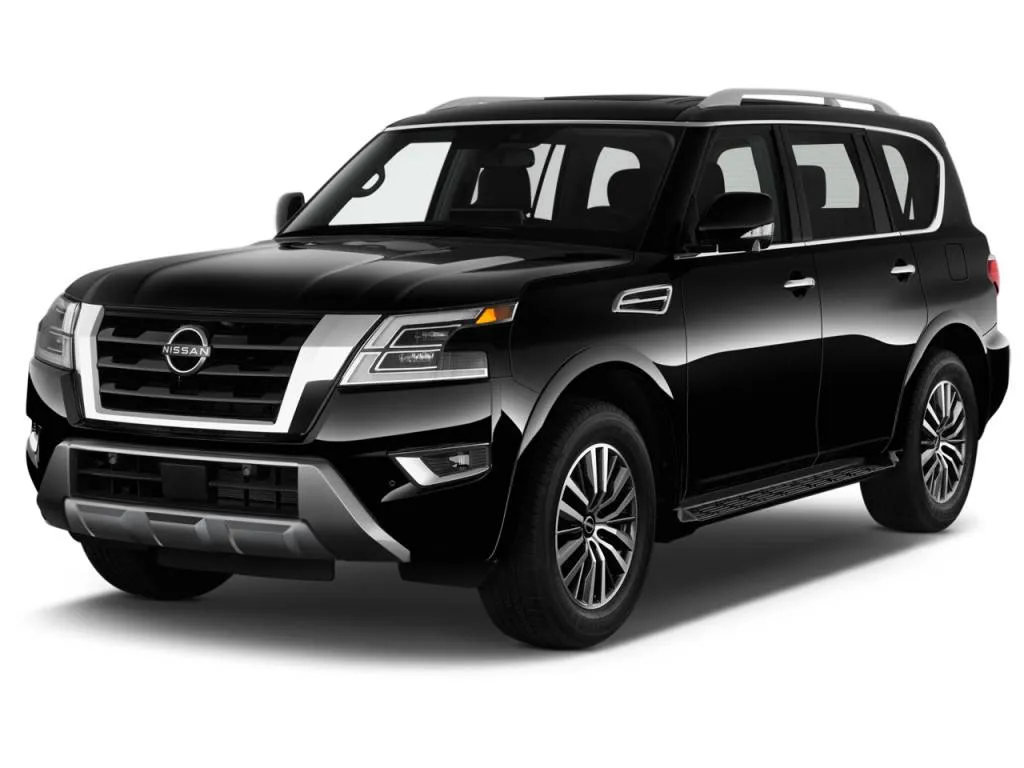
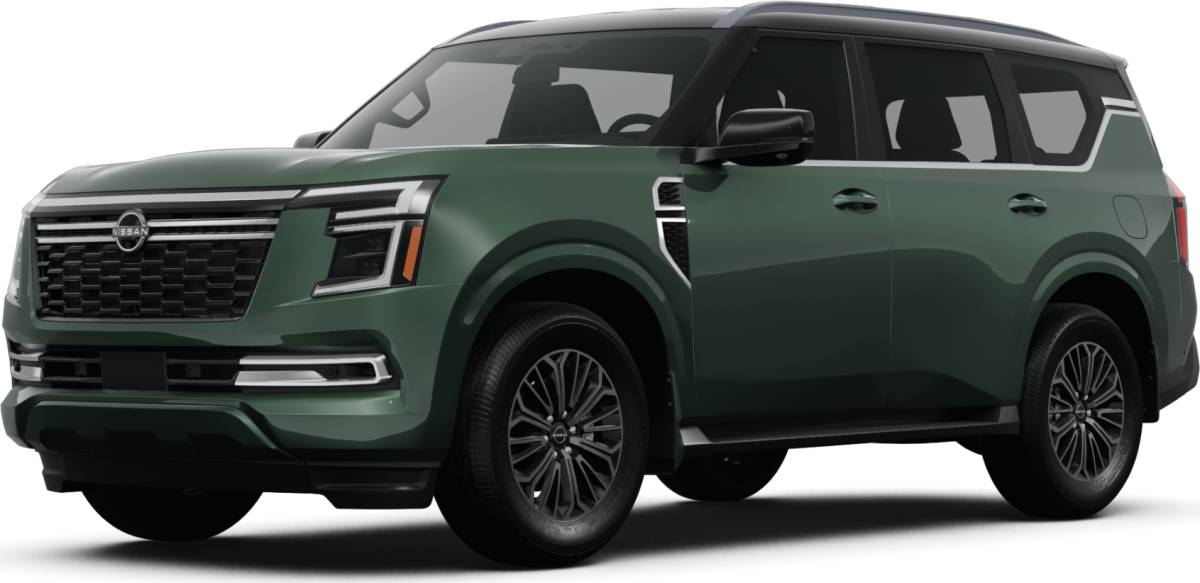
The 2017–present Nissan Armada. Big truck bones. Big V8. Old-school layout.
This is the Y62 chassis, second generation for the U.S. market. Body-on-frame. Longitudinal V8. Traditional automatic tranny. Real transfer case on 4WD models. No CVT nonsense. No dual-clutch experiments. Just gears, clutches, hydraulics, and a torque converter doing the heavy lifting.
I’ve worked on a lot of these. Fleet units. Family haulers. Tow rigs dragging boats in 100°F (38°C) heat. The drivetrain itself isn’t fragile. But the early calibration? And the torque converter clutch behavior on certain build dates? That’s where the headaches live.
There are no NHTSA recalls targeting the transmission, transfer case, front differential, rear differential, or driveshafts on this platform. That matters. If this thing was a ticking time bomb, it would have triggered a campaign.
What it did get:
- NTB17-016c (AT17-001c) – 7th-to-3rd downshift shock and low-speed hesitation (2017 model year)
- NTB22-099A (AT22-015A) – Torque converter vibration/judder for 2017–2019 units built on or before July 22, 2018
Not recalls. TSBs. Big difference. Recalls mean safety defect. TSBs mean “yeah, we know, here’s the fix.”
Which Transmissions It Uses
There’s one transmission here. Just one. No alternates. No mid-cycle swap.
- RE7R01B
7-speed longitudinal hydraulic automatic with torque converter lockup clutch
Drive layout: RWD standard, part-time 4WD with 2-speed transfer case optional
Engine pairing: VK56VD 5.6L V8 rated at 394 lb-ft (534 Nm)
Production years: 2017–present (second-generation Armada, U.S.)
The RE7R01B is a Jatco-built unit. Conventional planetary gearsets. Multi-plate clutch packs. Valve body controlled by a TCM. This is not exotic. It’s built for torque. The 5.6L V8 isn’t gentle either.
No verified alternative transmissions used on this generation. If someone tells you otherwise, they’re mixing it up with another Nissan platform.
Main Failure Patterns
7th-to-3rd Downshift Shock (NTB17-016c)
This one annoyed owners more than it killed transmissions.
Applies to 2017 models. The complaint was simple: you’re cruising, you tip into the throttle, and bang — it grabs 3rd from 7th like it’s trying to prove a point.
Symptoms documented in the bulletin:
- Harsh 7th-to-3rd downshift
- Low-speed hesitation
- Delayed throttle response feel
In my experience, it felt like the tranny was asleep in too tall a gear, then panicked.
This wasn’t clutches lunching gears. It was calibration. The TCM logic held higher gears at low speeds for fuel economy, then commanded an aggressive multi-gear downshift when load increased. You felt it in your spine.
Fix per NTB17-016c:
- Reprogram the TCM with updated calibration
No valve body. No rebuild. No hard parts. Just software. Once updated, most of them smoothed out nicely.
Torque Converter Judder (NTB22-099A)
This is the one that actually costs money.
Affects 2017–2019 Armada built on or before July 22, 2018.
Customer complaint usually starts like this: “It vibrates around 30 mph.”
Official symptom range:
- Vibration between 20–40 Miles (32–64 km) per hour
- Judder under light or moderate throttle
- RPM flare or slip feel during or after 2–3 or 3–4 upshift
Classic partial lockup clutch instability. I’ve seen dozens of these across different Nissan and Infiniti platforms using similar converter strategies.
The converter clutch starts to chatter. Light throttle. Warm fluid. Slight grade. Feels like you’re driving over rumble strips that come and go.
The bulletin doesn’t dance around it. It says:
- Remove transmission assembly
- Replace torque converter with updated part
- Replace input shaft O-ring
- Verify torque converter installation depth
That’s a full R&R job. Transmission out of the truck. Not a band-aid fix. Not a fluid additive miracle. Out it comes.
If caught early, replacing the converter usually solves it. If ignored? You start seeing shavings in the pan, clutch material circulating, then things get messy.
Reverse Engagement Complaints
There are NHTSA complaints describing loss of reverse. Shift to R. Nothing. It rolls like neutral.
No recall. No published systemic TSB targeting a design flaw in reverse gear.
From what I’ve seen in the field, these are isolated failures. Not common. But when they happen, it’s usually internal — clutch pack or valve body issue. That’s not a cheap afternoon.
Transfer Case and 4WD Hardware
4WD models use a two-speed transfer case. Traditional setup. No crazy electronic torque vectoring.
No NHTSA recalls targeting transfer case design. No documented engineering analysis for systemic driveline defect.
High mileage trucks? Different story. Past 100,000 Miles (160,000 km), if nobody has touched the fluids, I start seeing:
- Burnt transfer case fluid
- Driveshaft joint play
- Occasional actuator issues
That’s maintenance neglect. Not bad engineering.
Typical Repair Costs
Let’s talk money. Because this is where people panic.
| Repair Type | Parts (USD) | Labor (USD) | Total (USD) | Source Basis |
|---|---|---|---|---|
| TCM Reprogram (NTB17-016c) | $0–$200 | $150–$300 | $150–$500 | Industry Estimate |
| Torque Converter Replacement | $1,700–$2,400 | $1,200–$1,800 | $3,000–$4,200 | Service Bay Benchmark |
| Complete Transmission Replacement | $7,000–$8,500 | $1,300–$1,800 | $8,500–$10,000+ | Industry Estimate |
| Transfer Case Replacement (4WD) | $4,500–$6,500 | $800–$1,200 | $5,500–$7,700 | Industry Estimate |
Drain-and-fill service on the RE7R01B typically exchanges about 4–5 Quarts (3.8–4.7 Liters). Full system capacity is higher, but you’re not getting it all without specialized procedures.
Ignore converter shudder long enough and that $3,500 repair can morph into a $9,000 problem fast. I’ve seen it.
Best and Worst Years
| Model Year | Transmission Behavior | TSB Exposure | Dominant Issue | Risk Level |
|---|---|---|---|---|
| 2017 | Calibration complaints common early on | NTB17-016c | 7–3 downshift shock | Medium |
| 2018 (pre–July 22 build) | Converter vibration possible | NTB22-099A | Judder 20–40 mph | Medium |
| 2019 (early build) | Limited exposure | NTB22-099A if pre-cutoff | Converter vibration | Low–Medium |
| Late 2019–present | No systemic defect pattern documented | None specific | No consistent failure trend | Low |
Build date matters more than badge year. July 22, 2018 is the dividing line for the torque converter bulletin.
Warning Signs & Early Detection
If you’re shopping one, here’s what I do on a test drive.
- Hold 25–35 Miles (40–56 km) per hour under light throttle. Feel for rumble-strip vibration.
- Moderate acceleration from cruise. Watch for aggressive multi-gear downshift.
- Check reverse engagement after the vehicle is fully warmed up.
- Scan for stored transmission codes and verify TCM calibration level.
Fluid check matters. Dark fluid. Burnt smell. Metallic sheen. That’s your early warning.
Repeated operating temps above 220°F (104°C) accelerate torque converter clutch wear. Heat is the killer. Always has been.
When to Walk Away
Some trucks are worth saving. Some aren’t.
- Active torque converter shudder with no repair history
- Reverse hesitation or non-engagement
- Metal shavings visible in fluid
- Documented slipping under light load
If you feel consistent slip once warm, and fluid smells burnt, that’s not a cheap fix. That’s internal wear already happening.
Ownership Reality
Here’s where OEM guidance and real life split.
| OEM Position | What I See in the Field | Cost Consequence |
|---|---|---|
| No transmission recall | Early issues handled via TSB, owner pays if out of warranty | $3,000–$4,000 exposure |
| Standard service intervals | Fluid degradation before 60,000–80,000 Miles (96,000–128,000 km) | Converter clutch wear risk increases |
| No early mandatory fluid change | 30,000–40,000 Mile (48,000–64,000 km) service reduces shudder complaints | Lower probability of major repair |
I’ve said it before and I’ll say it again. Lifetime fluid is marketing. Heat and friction don’t care what the brochure says.
Lawsuits, Complaints & Regulatory History
No confirmed class action litigation specific to the RE7R01B in this platform.
NHTSA complaints cluster around:
- Shift shock (2017)
- Vibration/judder under light throttle (2017–early 2019 builds)
No recall campaign. No Engineering Analysis escalation targeting the transmission or transfer case.
That tells me regulators saw drivability complaints, not safety-critical defect patterns.
Bottom Line
The RE7R01B in the 2017–present Armada is not garbage. It’s a conventional, torque-converter automatic behind a strong V8.
Early calibration quirks? Yes. Converter shudder on certain builds? Yes.
Chronic, widespread grenading? No.
Take care of the fluid. Verify TSB work. Don’t ignore vibration at 30 mph. Do that, and this drivetrain usually behaves like a proper full-size SUV should — heavy, solid, and expensive only when neglected.