

Nissan Armada gen 1 2004–2015 Transmission Failures Seen in Real Service Bays
Overview
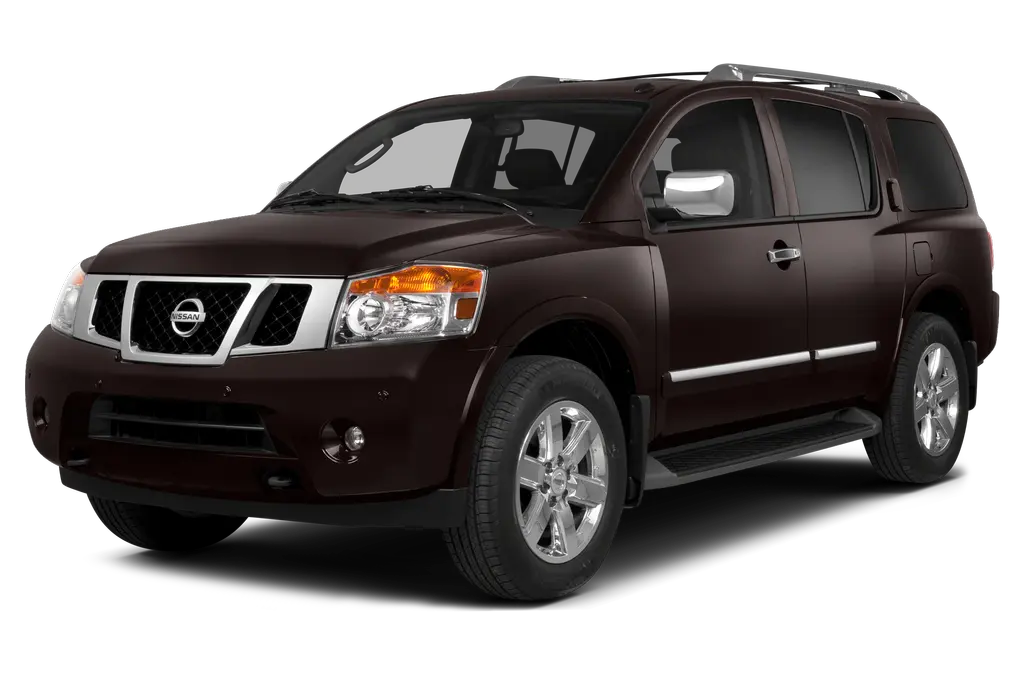
The first-generation Nissan Armada (2004–2015, TA60 chassis) is old-school truck hardware. Body-on-frame. Big V8. Longitudinal drivetrain. No CVT nonsense. No dual-clutch experiments. Just a five-speed automatic bolted to a transfer case and a pair of diffs.
Simple. Heavy. Durable — if you treat it right.
I’ve worked on these since they were new. Back when the paint was still shiny and the interiors didn’t rattle. From a transmission standpoint, this platform is not a ticking time bomb. It’s not a fragile crossover setup. But it’s also not bulletproof if you ignore it for 150,000 Miles and assume the fluid is “lifetime.” That word alone has killed more trannies than abuse ever did.
Before we even talk failure patterns, you need to know about the documented regulatory and service actions tied to this drivetrain:
- Transport Canada Recall 2010088 — 2010 4WD models. Front driveshaft joint cracking. Possible shaft separation.
- Nissan Service Campaign PB014 (NTB06-012a) — early 4WD production. Front axle flange bolt issue.
- NTB12-048 — rear axle clicking noise during acceleration (2010–2012).
- NTB13-080 (AT13-012) — transmission cooler hose revision (2010–2013).
If you’re buying one, run the VIN. Don’t assume. I’ve seen trucks traded in with open campaigns because nobody checked.
Which Transmissions It Uses
| Transmission Code | Gears | Drive Layout | Engine Pairing | Production Years |
|---|---|---|---|---|
| RE5R05A | 5-speed | RWD / Part-time 4WD | 5.6L VK56DE V8 | 2004–2015 |
That’s it. One transmission. No alternatives. No mid-cycle swap.
The RE5R05A is a Jatco-built longitudinal 5-speed automatic. Traditional hydraulic internals with electronic solenoid control. Adaptive logic. Multi-gear torque converter lockup. It’s been used in Titans, Pathfinders, and a bunch of Nissan trucks.
I’ve seen dozens of these go past 200,000 Miles (322,000 km) without a rebuild. I’ve also seen them cooked at 90,000 because someone towed a camper through Arizona heat at 110°F (43°C) and never changed the fluid.
The unit itself isn’t fragile. It just hates neglect.
Main Failure Patterns
Rear Axle Clicking During Take-Off
This one drives owners crazy. Light throttle from a stop. Click. Sometimes two clicks. Sounds like something is about to fall out of the rear diff.
NTB04-0113E and later NTB12-048 address it.
The issue isn’t internal differential carnage. It’s the axle hub interface. Lubrication condition at the mating surfaces. Axle lock nut torque variation. Dry contact where there shouldn’t be dry contact.
The fix is messy but straightforward:
- Pull axle components.
- Clean the mating surfaces.
- Apply Molykote M77 grease.
- Re-torque the axle lock nut to updated spec.
If done right, the noise stops. If done sloppy, it comes back. I’ve seen shops slap grease on without proper cleaning — that’s a band-aid fix. The click returns and the owner thinks the diff is grenading. It isn’t.
2010 4WD Front Driveshaft Defect
This one matters.
Transport Canada Recall 2010088 documents cracking in the front driveshaft joint on certain 2010 4WD units. Manufacturing defect. Joint material issue. Crack propagation under torque load.
What happens if it fails? The shaft can separate. You lose front axle drive. In worst cases, the loose shaft can strike underbody components.
Is it common? No. Is it serious? Yes.
If you’re looking at a 2010 4WD, verify recall completion. I don’t care how clean the Carfax looks.
Transmission Cooler Hose (2010–2013)
NTB13-080 covers a part number supersession for the transmission-to-radiator cooler hose and replacement of both spring clamps.
Why does this matter?
Heat cycles. Rubber hardens. Clamp tension drops. Fluid starts seeping. Slow at first. Then one day the owner notices delayed engagement backing out of the driveway.
Low fluid kills trannies quietly. No drama. Just clutch material shavings building up in the pan.
This isn’t an internal RE5R05A defect. It’s a peripheral cooling circuit issue. Cheap part. Expensive outcome if ignored.
Driveshaft U-Joint Wear
NTB-10-052 addresses diagnosis of propeller shaft noise and vibration.
Typical symptoms:
- Vibration at 45–65 mph (72–105 km/h).
- Clunk shifting from Reverse to Drive.
- Thump when loading the drivetrain.
Field Observation: Around 120,000 Miles (193,000 km), especially in rust-belt states, U-joints start getting loose. Corrosion accelerates wear. Once there’s play, it only gets worse.
Ignore it and the vibration will eat into other components. Replace it early and it’s cheap. Wait too long and you’re buying a full shaft.
High-Mileage RE5R05A Wear
Past 150,000 Miles (241,000 km), patterns show up.
- Torque converter clutch shudder.
- Lazy 2–3 or 3–4 shift.
- Solenoid performance codes.
This is wear. Not a design scandal. The valve body accumulates debris. Fluid breaks down. Friction material thins. The tranny doesn’t usually grenade without warning. It starts slipping, flaring, or shuddering first.
Catch it early and you might get away with a valve body service. Ignore it and you’re rebuilding.
Typical Repair Costs
Let’s talk money. Because this is where people get emotional.
| Repair Type | Parts (USD) | Labor (USD) | Total (USD) | Source Basis |
|---|---|---|---|---|
| Rear axle TSB grease service | $40–$120 | $250–$450 | $290–$570 | Service Bay Benchmark |
| Front driveshaft replacement | $600–$1,200 | $300–$500 | $900–$1,700 | Industry Estimate |
| Transmission cooler hose replacement | $50–$150 | $150–$300 | $200–$450 | Industry Estimate |
| Driveshaft U-joint replacement | $50–$150 | $200–$400 | $250–$550 | Service Bay Benchmark |
| RE5R05A rebuild | $1,800–$2,800 | $1,200–$2,000 | $3,000–$4,800 | Industry Estimate |
| Transfer case replacement | $2,800–$3,200 | $800–$1,200 | $3,600–$4,400 | Industry Estimate |
Three to five grand for a rebuild. That’s real money. Which is why fluid service matters.
Best and Worst Years
| Model Year Range | Configuration | Driveline Issue Trend | Regulatory Overlap | Overall Risk |
|---|---|---|---|---|
| 2004–2007 | RWD / 4WD | Rear axle clicking complaints | PB014 campaign (early 4WD) | Medium |
| 2008–2009 | RWD / 4WD | Stable transmission behavior | No major driveline recall | Low-Medium |
| 2010 | 4WD | Front driveshaft recall year | Transport Canada 2010088 | Medium-High |
| 2011–2013 | RWD / 4WD | Cooler hose TSB exposure | TSB only | Medium |
| 2014–2015 | RWD / 4WD | Lower complaint clustering | No major driveline recall | Low |
I like the later trucks. Fewer nuisance complaints. Same drivetrain. Just fewer early-production quirks.
Warning Signs & Early Detection
Listen to the truck. It tells you things.
- Click at take-off — inspect rear axle hub interface.
- Delay engaging Drive — check fluid level and cooler hose.
- Vibration at highway speed — inspect driveshaft balance and U-joints.
- Fluid around radiator area — cooler hose seepage.
- Grinding in 4LO — transfer case range issue.
A proper pre-purchase inspection should include a scan for stored transmission codes, transfer case operation test, driveshaft play check, and fluid condition inspection. Not just a quick test drive around the block.
When to Walk Away
Burnt fluid smell. Dark, almost black ATF. That’s friction material suspended in what used to be fluid.
Severe vibration under load that feels like the truck is trying to shake itself apart.
Open recall status on a 2010 4WD.
Grinding when shifting into 4LO. That’s not “normal truck noise.”
Some problems are manageable. Others are a financial trap.
Ownership Reality
| OEM Guidance | Real-World Outcome | Cost Consequence |
|---|---|---|
| Extended automatic transmission fluid intervals | Fluid degradation before 100,000 Miles (161,000 km) under towing use | Valve body wear and clutch damage |
| No scheduled U-joint replacement | Wear common beyond 120,000 Miles (193,000 km) | Vibration and possible shaft replacement |
| Axle clicking treated as minor service issue | Repeat repairs if improperly done | Accumulated labor costs |
| Transfer case fluid often ignored | Chain stretch and wear on high-mileage units | $3,000+ replacement exposure |
In my experience, trucks that get transmission fluid service every 40,000–60,000 Miles (64,000–96,000 km) last dramatically longer. Same for transfer case fluid. It’s cheap insurance.
I’ve torn down high-mileage RE5R05A units with clean internals because the owner serviced them religiously. I’ve also opened ones full of shavings at 110,000 Miles because someone believed the “lifetime fluid” myth.
Fluid is cheaper than clutches. Always.
Lawsuits, Complaints & Regulatory History
There is no verified U.S. class action targeting the RE5R05A in this platform.
NHTSA complaint patterns cluster around driveline noise, vibration, and rear axle clicking. Not widespread catastrophic transmission failure.
No documented ODI engineering analysis specifically targeting the transmission in this generation.
Most issues were handled through TSBs rather than safety recalls, which tells you they were durability or nuisance problems, not systemic safety defects.
Bottom Line
The 2004–2015 Armada drivetrain is old-school truck hardware. Simple. Heavy. Serviceable.
The RE5R05A is not a ticking time bomb. It’s also not forgiving of neglect. Ignore fluid service, tow heavy in extreme heat, never inspect U-joints — and it will punish you.
Maintain it properly, verify recall status, fix leaks early, and this platform can run a very long time without lunching gears or grenading the transfer case.
It’s not flashy. It’s not high-tech. It’s a truck drivetrain. Treat it like one.


