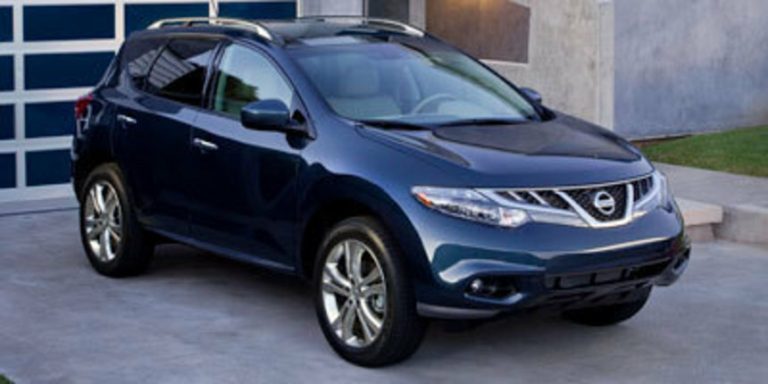
Nissan Murano gen 1 2003–2007 CVT Transmission Reliability Under Real Ownership
Overview
The 2003–2007 Nissan Murano was one of the first mainstream crossovers to bet everything on a CVT. No backup plan. No conventional automatic sitting in the parts bin. Just one transmission — the RE0F09A — bolted to the 3.5L VQ35DE and sent out into American traffic.
I’ve seen dozens of these. Some are still running fine at 180,000 Miles (289,000 km). Others were on their second tranny before 100,000. Same platform. Same hardware. Wildly different outcomes.
Before we get into the messy failures, there was an early safety recall. NHTSA Recall 03V123000 (Nissan campaign R3009). 2003 models. The transmission selector lever nut wasn’t tightened properly. That meant the gear shown on the dash might not match the gear actually engaged. Park showing but Reverse engaged. That kind of thing. Nissan’s fix was simple — inspect and torque the nut correctly. Most of those were handled years ago, but I still tell buyers: run the VIN through NHTSA and Nissan. It takes two minutes. Don’t assume.
Outside of that recall, the story of this generation is hydraulic pressure loss, belt wear, and AWD transfer case noise. That’s the trio. Everything else is side chatter.
Which Transmissions It Uses
There was one transmission. Only one.
- RE0F09A (Nissan EXTRONIC CVT)
- Type: Chain-driven continuously variable transmission
- Drive layout: FWD and AWD
- Engine pairing: 3.5L VQ35DE V6
- Production years: 2003–2007 (US market)
- No verified alternative transmissions used in this generation.
This CVT uses a steel chain running between variable pulleys. Hydraulic pressure squeezes those pulleys together to change ratios. No stepped gears. No shift shock. When it works, it feels smooth. When it doesn’t, it feels broken.
AWD models add a transfer case bolted to the side of the transaxle, feeding a prop shaft and rear differential. FWD models skip all that. Fewer moving parts. Less to grenade.
Main Failure Patterns
Hydraulic Pressure Loss – The P0868 Story
This is the big one.
Nissan issued TSB NTB05-084A for DTC P0868 — CVT fluid pressure low. In the bay, that code usually shows up with complaints like “won’t move,” “takes forever to go,” or “revs but barely accelerates.”
Inside the transmission, the valve body starts leaking internally. Pressure bleeds off. The pressure control solenoid gets lazy. Fluid gets cooked. The pulleys don’t clamp the chain hard enough. Then you get slip.
Heat is the enemy. I’ve seen these struggle in summer traffic when ambient temps are above 95°F (35°C). You sit in stop-and-go. The fluid temp creeps up. Hydraulic integrity drops. The car hesitates leaving a light. The owner thinks it’s the engine. It’s not.
Service Bay Benchmark: Most of these pressure-related failures show up between 60,000 and 110,000 Miles (96,000–177,000 km) when fluid service was ignored.
The symptoms don’t start dramatic. It’s subtle. A one-second delay into Drive. A flare in RPM. Then one day it just won’t pull.
Belt and Pulley Wear
Let it go long enough and the internal chain and pulleys start wearing hard.
I’ve opened drained pans and seen metallic shavings — fine glitter at first, then bigger flakes. Once the pulley faces score, the tranny starts whining under load. Customers describe it as a “jet noise.” That’s the chain riding damaged surfaces.
At that stage, you’re past a band-aid fix. Valve body replacement won’t save it. The unit is on borrowed time.
Field Observation: Full loss of propulsion tends to show up between 80,000 and 140,000 Miles (128,000–225,000 km) when maintenance history is spotty.
P0840 – Pressure Sensor Circuit
P0840 pops up too. That’s the transmission fluid pressure sensor circuit. Sometimes it’s a sensor issue. Sometimes it’s just the symptom of a bigger hydraulic mess inside.
This is where misdiagnosis happens. I’ve seen shops slap in a sensor and clear codes. Car leaves. Comes back. The internal wear never went away.

Transfer Case Problems (AWD Only)
Now let’s talk AWD.
The transfer case on these can get noisy. Grinding. Popping. Fluid seepage at the case halves. Owners feel vibration and think the CVT is dying. Sometimes it is. Sometimes the transfer case is lunching gears on its own.
Service Bay Benchmark: 70,000 to 130,000 Miles (112,000–209,000 km) is where I see most of these fail.
FWD models don’t deal with this. That alone changes the ownership math.
Typical Repair Costs
Let’s jump to money. Because this is where people get blindsided.
| Repair Type | Parts (USD) | Labor (USD) | Total (USD) | Context |
| Valve body replacement | $900–$1,500 | $600–$1,200 | $1,500–$2,700 | Industry Estimate; 60k–110k Miles |
| Complete CVT replacement (remanufactured) | $3,500–$4,800 | $1,200–$1,800 | $4,700–$6,600 | Industry Estimate; 80k–140k Miles |
| Transfer case replacement (AWD) | $1,200–$1,800 | $800–$1,200 | $2,000–$3,000 | Industry Estimate; 70k–130k Miles |
| Rear differential replacement (AWD) | $800–$1,500 | $600–$1,000 | $1,400–$2,500 | Industry Estimate; 100k+ Miles |
Fluid capacity for a full exchange runs roughly 8–10 Quarts (7.6–9.5 Liters). Use the correct CVT fluid. Don’t cheap out. I’ve seen generic fluid attempts end badly.
Once the chain and pulleys are damaged, rebuilding isn’t common at the independent level. Most shops install remanufactured units. That’s where the $5,000 bill shows up.
Best and Worst Years
Early years had more teething issues. That’s what the complaint patterns show.
| Model Year | Drivetrain | Complaint Trend | Recall Overlap | Dominant Transmission Issue | Risk Level |
| 2003 | FWD/AWD | High | Yes (03V123000) | Early hydraulic pressure failures | High |
| 2004 | FWD/AWD | High | No transmission recall | Hesitation and replacement cases | High |
| 2005 | FWD/AWD | Moderate | TSB NTB05-084A coverage | P0868-related events | Medium-High |
| 2006 | FWD/AWD | Moderate | No recall | Age-related wear | Medium |
| 2007 | FWD/AWD | Moderate | No recall | High-mileage internal wear | Medium |
The hardware never fundamentally changed. Later models just benefited from better calibration and field lessons.
Warning Signs & Early Detection
- Delayed engagement longer than 1–2 seconds
- RPM flare without real acceleration
- Shudder between 10–25 mph (16–40 km/h)
- High-pitched whining under load
- DTC P0868 or P0840 stored
If I’m inspecting one, I scan it first. Then I drive it hot. Not around the block — I want fluid temp up. That’s when the weakness shows.
On AWD models, I listen for front driveline noise on tight turns. Grinding is never “normal.”
When to Walk Away
Burnt fluid smell. Walk.
Active pressure codes. Walk.
No service records and 110,000 Miles (177,000 km) on the clock. Think hard.
If the seller says “it just needs a sensor,” and it has hesitation plus metallic shavings in the pan, you’re looking at a ticking time bomb.
Ownership Reality
This is where brochure language and driveway reality split.
| OEM Position | What I See in the Bay | Cost Impact |
| CVT engineered for long service life | Fluid breaks down in US heat and traffic | Valve body wear and pressure loss |
| No major recall beyond selector nut | Heavy NHTSA complaint clustering for hesitation and loss of drive | Owner-funded transmission replacements |
| Normal driving assumed | Urban heat cycles stress hydraulics | $4,000–$6,000 USD exposure |
In my experience, fluid exchange every 30,000–40,000 Miles (48,000–64,000 km) changes the survival curve. I’ve seen maintained units cross 150,000 Miles (241,000 km). I’ve also seen “lifetime fluid” cars grenade before 90,000.
There’s no magic. Heat plus dirty fluid equals wear. Wear equals pressure loss. Pressure loss equals slip.
Lawsuits, Complaints & Regulatory History
NHTSA Recall 03V123000 covered the selector lever nut issue on certain 2003 vehicles.
Beyond that, complaint data shows clustering around hesitation, shudder, and loss of propulsion across 2003–2007 models. TSB NTB05-084A addressed P0868-related low-pressure events.
No federal recall addresses internal chain wear or general CVT durability on this generation.
Bottom Line
This platform lives and dies by its transmission.
The RE0F09A CVT isn’t automatically junk. But it’s sensitive. Ignore maintenance and it becomes expensive fast. Maintain it, monitor it, and it can survive.
FWD models reduce risk. AWD models add transfer case exposure. The difference matters.
If you’re buying one today, scan it, drive it hot, and check the service records. Mileage alone doesn’t tell the story. Maintenance does.