How the Nissan Frontier gen 3 2022–present Transmission Actually Fails
Overview
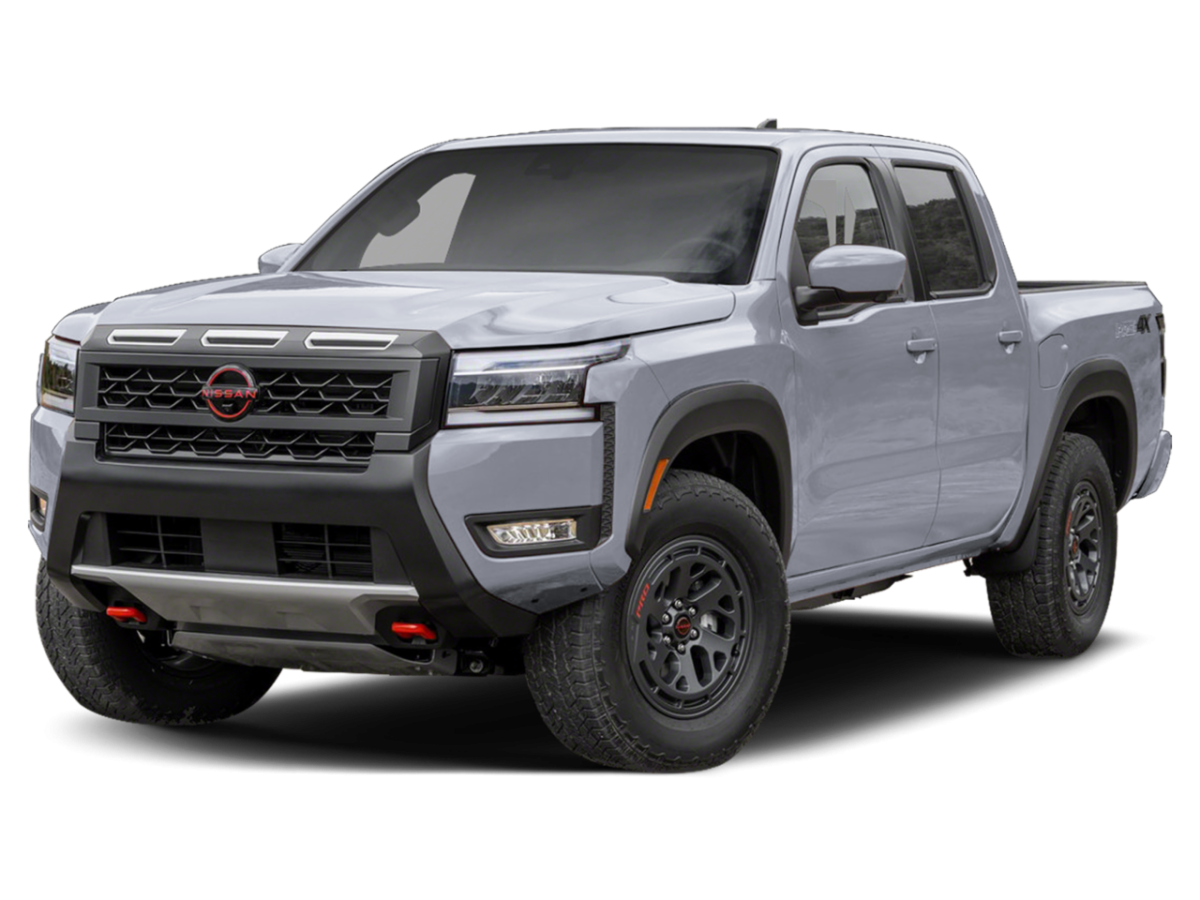
The third-generation Nissan Frontier (D41) showed up in 2022 with one transmission choice. Just one. No manual backup plan. No CVT experiment. No dual-clutch science project. One 9-speed automatic bolted behind the 3.8L VQ38DD V6 making 310 lb-ft (420 Nm).
And right out of the gate? Two recalls. On the transmission.
NHTSA Recall 22V-457 (Nissan R22A1 / R22A7) hit certain 2020–2022 units, including early D41 builds. The parking pawl inside the transmission didn’t always engage because of internal dimensional variation. Translation: you put it in Park, it might roll.
Then came Recall 22V-671 (R22A9 / R22B1). Different mechanical cause, same ugly result. Resistance between the parking rod and wedge inside the housing. Pawl doesn’t fully lock. Truck moves. That’s not a wear issue. That’s production tolerance biting back.
I’ve seen a few come in on flatbeds because the owner thought “Park” meant secure. It didn’t.
Before you even think about buying one, run the VIN through NHTSA. I don’t care if the seller says it’s done. Check it yourself.
Which Transmissions It Uses
Jatco JR913E (Nissan RE9R01A)
- 9-speed automatic
- RWD and part-time 4WD configurations
- Paired exclusively with 3.8L VQ38DD V6 (310 lb-ft / 420 Nm)
- Used from 2022–present in the D41 platform
- No verified alternative transmissions used
That’s it. One transmission for this generation. No manual option. No alternative automatic. No mid-year switch.
4WD trucks bolt on a TX91A two-speed transfer case. Separate unit. Chain-driven. Compact. A little tight to work around.
The JR913E itself isn’t some exotic ticking time bomb. It’s a conventional planetary automatic with clutch packs, valve body, torque converter, adaptive shift logic. Over-engineered in some spots. Tight tolerances everywhere.
Main Failure Patterns
Parking Pawl Defect
This was the big one. Early builds only.
Customer complaint is simple: “Truck rolled in my driveway.” No warning lights. No grinding. No drama. You put it in Park and the output shaft just isn’t fully locked.
I’ve torn one down. The issue isn’t shavings or broken teeth. It’s engagement geometry. A mechanical alignment problem. Once the updated part is installed under recall, the issue doesn’t come back.
It’s not a long-term durability flaw. It was a factory mistake. There’s a difference.
Transfer Case Seal Seepage (TX91A)
Now we’re in normal truck territory.
Early 4WD units started showing dampness around the input seal and output seals. Not pouring. Just that annoying film of gear oil collecting dust.
Nissan released service guidance (NTB20-068A) covering seal replacement. In my experience, most show up between 20,000 and 40,000 Miles (32,000–64,000 km).
Ignore it long enough and you’re asking for chain wear. Fluid gets low, heat builds, and then you’ll find metallic shimmer in the drain pan. That’s when the transfer case is lunching itself.
Most don’t get that far. Catch it early and it’s just seals.
Cold Shift Firmness
Below 40°F (4°C), some early units shift firm. 2–3. Sometimes 3–4. It feels aggressive, almost like someone slapped in a shift kit.
I’ve seen this improve with adaptive relearn. Sometimes a TCM update smooths it out. Sometimes it just learns over time. I haven’t seen chronic clutch pack grenading tied to it.
It’s calibration behavior. Not mechanical failure.
Differential Axle Seal Seepage
Front differential seals on 4WD trucks? A few have wept around 30,000–50,000 Miles (48,000–80,000 km).
No pattern of ring and pinion destruction. Just seals. Replace them, refill, move on.
Typical Repair Costs
Let’s talk money. Because this is where people get nervous.
| Repair Type | Parts (USD) | Labor (USD) | Total (USD) | Notes |
| Parking Pawl Recall Repair | $0 | $0 | $0 | Covered under federal recall |
| Transfer Case Seal Replacement | $20–$50 | $400–$700 | $420–$750 | Driveshaft removal required |
| Transfer Case Replacement | $1,900–$2,400 | $900–$1,600 | $2,800–$4,000 | Industry Estimate |
| Complete Transmission Replacement | $3,500–$5,500 | $1,500–$2,500 | $5,000–$8,000 | Industry Estimate |
A standard drain-and-fill on the 9-speed runs about 5–6 Quarts (4.7–5.7 Liters). A dry fill is over 9 Quarts (8.5 Liters). It’s not cheap fluid.
Most of the big-dollar transmission replacements I’ve seen weren’t design failures. They were neglect. Or towing heavy with dark fluid that should’ve been changed 40,000 Miles ago.
Best and Worst Years
| Model Year | Recall Exposure | Main Issue | Risk Level |
| 2022 (Early Production) | 22V-457, 22V-671 | Parking pawl defect | Medium |
| 2023 | Limited 22V-671 exposure | Recall-related | Low–Medium |
| 2024–Present | No transmission recalls | Minor seal seepage | Low |
Early builds carry recall baggage. Later trucks are cleaner. Once recall work is documented, the playing field levels out.
Warning Signs & Early Detection
- Truck moves after shifting to Park
- Oil film between transmission and transfer case
- Delayed 4WD engagement
- Harsh cold shifts
- Driveline vibration after service
If I’m inspecting one pre-purchase, I scan the TCM for adaptation data, check for pending codes, and look at the transfer case fluid. If it smells burnt or looks glittery, that truck worked hard.
Fluid analysis after 60,000 Miles (96,000 km) is smart if the truck tows. It tells you what’s happening inside before things get expensive.
When to Walk Away
- Open recall not completed
- Transfer case run low on fluid
- Metal shavings in drain pan
- Transmission slipping under load
- Repeat vibration after prior repair
A recall-repaired truck is fine. A truck that ignored the recall and rolled into something? Different story.
Ownership Reality
Here’s where the brochure and the shop floor part ways.
| OEM Position | Real Shop Experience | Financial Consequence |
| Extended transmission fluid interval | Fluid dark by 60,000–80,000 Miles (96,000–128,000 km) | Clutch wear accelerates |
| No early transfer case service | Seal seepage in early builds | $3,000+ if fluid loss ignored |
| Park position secures vehicle | Recall proved mechanical vulnerability | Rollaway risk |
Manufacturers love the phrase “lifetime fluid.” In my experience, that’s a marketing term. Heat cycles, towing, stop-and-go traffic — fluid breaks down. I’ve seen dark fluid at 50,000 Miles that already smelled cooked.
Drain and fill every 50,000–60,000 Miles (80,000–96,000 km) if you plan to keep it long-term. Especially if you tow. Cheap insurance compared to a $7,000 rebuild.
Lawsuits, Complaints & Regulatory History
No active class-action centered on the JR913E in this platform.
NHTSA complaint clustering revolves around the parking pawl recalls. I haven’t seen evidence of a systemic clutch drum failure, valve body epidemic, or torque converter meltdown pattern.
No transmission-specific warranty extension has been issued.
The recall activity points to early production tolerance control. Once corrected, the platform stabilized.
Bottom Line
This 9-speed isn’t a ticking time bomb. It’s not a miracle either. It’s a modern automatic with tight tolerances that expects clean fluid and completed recalls.
Main risks are simple:
- Unverified recall completion
- Transfer case seal leaks ignored
- Fluid neglect under towing load
Take care of it and it behaves. Ignore it and it gets expensive fast.
That’s the reality from the service bay.