
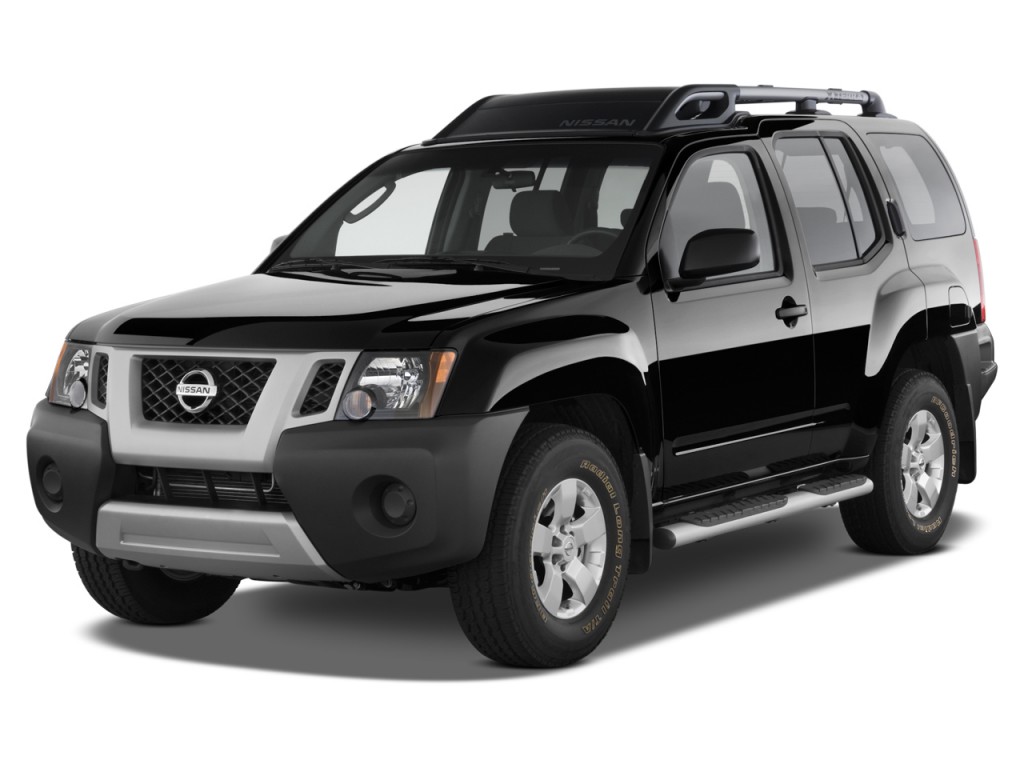
Nissan Xterra gen 2 2005–2015 Transmission: Common Issues and Expert Verdict
Overview
This second-gen Xterra (2005–2015) is old-school truck stuff. Longitudinal drivetrain. RWD, or part-time 4WD. No CVT. No DCT. Nothing fancy. That’s good.
But if you’re looking at an automatic from 2005–2010, you need to hear this early, not buried on page nine: Nissan issued an additional warranty extension for the radiator assembly on all 2005–2010 Frontier, Pathfinder, and Xterra vehicles equipped with automatic transmissions because an internal crack may occur in the radiator’s oil-cooler tube, leading to internal coolant leakage. When coolant gets into the ATF, the tranny can get smoked fast. Nissan’s extension covers the radiator assembly out to 10 years/100,000 miles (160,934 km) with customer co-pays based on age/mileage, and it also states damage to other affected components, including the transmission, is covered when caused by that internal leakage condition. The co-pay tiers listed are $0 up to 8 years/80,000 miles (128,747 km), $2,500 up to 9 years/90,000 miles (144,841 km), and $3,000 up to 10 years/100,000 miles (160,934 km). WBI12-028 is referenced in that warranty-extension documentation.
NHTSA also has a record on this same mess. Defect Petition DP12-004 covers model years 2005–2010 and describes co-mingled ATF/coolant due to radiator failure, leading to transmission failure, with a big complaint stack reviewed as part of the petition process. Petition got denied. Still matters. It’s the paper trail that says, yep, this mechanism is real and it wrecks drivability (loss of motive power complaints show up in that world for a reason).
Once you get past that one ugly landmine, the drivetrain on these is mostly normal truck aging: fluids that don’t get changed, U-joints that get crunchy, axle seals that start drooling, transfer cases that get ignored until they howl. In real bays, the difference between a high-mileage Xterra that keeps earning its keep and one that becomes a wallet fire is basic, boring, unsexy maintenance—and whether an early automatic already ate coolant.
Which Transmissions It Uses
RE5R05A
- Model Code: RE5R05A
- Gear Count: 5
- Drive Layout: Longitudinal RWD and part-time 4WD
- Engine Pairing: 4.0L VQ40DE V6
- Production Years within Platform: 2005–2015
This is the automatic on this generation. That’s it. No verified alternative automatic transmissions were offered for the 2005–2015 Xterra platform.
FS6R31A
- Model Code: FS6R31A
- Gear Count: 6
- Drive Layout: Longitudinal RWD and part-time 4WD
- Engine Pairing: 4.0L VQ40DE V6
- Production Years within Platform: 2005–2015
This is the manual. Also one-and-done. No verified alternative manual transmissions were offered for the 2005–2015 Xterra platform.
4WD trucks use the TX15B two-speed transfer case. Rear axle setup varies by trim and equipment; the M226 rear axle shows up in Nissan’s axle-seal service bulletin applicability and identification guidance, and that matters because the fix is not the same as the smaller axle setups.
Main Failure Patterns
1) Radiator Oil-Cooler Tube Crack Leading to Coolant/ATF Mixing (2005–2010, RE5R05A)
This is the big one. The ticking time bomb. I don’t care how clean the paint is or how “grandpa owned it” the story sounds.
The official warranty-extension documentation spells it out: the radiator has an internal oil-cooler tube for the automatic transmission, an internal crack may occur, internal leakage of engine coolant can happen. Once coolant and ATF start sharing a room, the tranny’s days are numbered. It’s a messy failure. Coolant isn’t some harmless additive. It attacks friction material, it gets into places it shouldn’t, and then the unit starts doing the classic “I’m dying” routine.
What it looks like in a real service bay is rarely dramatic on day one. It starts sneaky. A little shudder. A delayed engagement. A shift flare you can’t un-feel once you notice it. Then it snowballs.
Common drivability symptoms (service bay pattern)
- Shudder during steady cruise, often around 35–55 mph (56–89 km/h)
- Delayed Drive or Reverse engagement after a hot soak
- Flare on upshift (RPM rises without matching acceleration)
- Loss of motive power under load
Common inspection findings (service bay pattern)
- ATF that looks wrong: emulsified, odd color/texture, not just “dark”
- Cooling system discoloration that doesn’t match normal coolant aging
- Secondary heat damage after the event (overheat history can show up after the mixing starts)
And here’s the part people try to turn into a band-aid fix: “I’ll just put a radiator in it and flush it a few times.” I’ve watched that movie. If it’s early and you caught it instantly, you might get lucky. If it’s been driven like that, if the converter is already shuddering and the shifts are flaring, you’re usually buying time, not saving the tranny.
Owner risk spikes when a 2005–2010 automatic still has original-style cooling hardware and there’s no proof the radiator was replaced before anything went sideways. That’s where these grenades come from.
2) RE5R05A Wear Patterns When Coolant Mixing Isn’t in the Picture
Alright. Remove the coolant-mixing circus. Now the RE5R05A behaves like a normal truck automatic that lives a real life. Heat. Load. Neglected ATF. Long intervals because someone read “lifetime” and believed it. (Lifetime of what? A fruit fly?)
I’ve seen plenty of RE5R05A units go the distance when they’re serviced and not abused. I’ve also seen them get ugly when they’re run low, cooked, or left on the original fluid forever. The issues that roll in tend to be shift-quality complaints and converter clutch behavior, not “it exploded for no reason.”
Typical symptoms (field observation)
- Intermittent harsh shifts after warm-up
- Converter clutch shudder on light throttle
- Delayed engagement on cold start that improves when warm
Catch it early, you can sometimes keep it cheap. Ignore it until the pan is full of shavings and the unit is slipping under load, you’re shopping transmissions.
3) Rear Axle Seal Leaks on M226-Style Rear Axle (TSB NTB10-008)
Different problem. Different wallet pain.
Nissan issued TSB NTB10-008 (classification RA09-003) for rear axle seal leaks on 2005–2010 Xterra vehicles equipped with an M226-style axle. The bulletin’s “gate” matters: it’s for gear oil leaking from the right and/or left axle seal, with the axle confirmed as M226-style, and with no noise or vibration from the rear final drive gears and side bearings.
The fix Nissan calls for under those conditions is blunt: install a new axle shaft assembly that includes a new retainer, axle bearing, oil seal, bearing cage, and ABS rotor. And the bulletin says not to replace the entire rear axle assembly for this incident. So it’s not “seal-only” in that scenario. It’s bearing-and-seal packaged as an assembly job.
In the bay, these show up as wet backing plates, gear oil smell, and rear brakes that feel like garbage because they’re contaminated. Let it leak long enough and you’ll be doing more than what the bulletin was aiming at.
4) Driveshaft U-Joint Noise/Vibration (TSB NTB10-052)
Driveline vibrations are where people waste money. Easy.
Nissan issued TSB NTB10-052 (classification PD10-001) for noise and/or vibration from the propeller shaft U-joint (journal/journal bearings) on 2005–2010 Xterra and related vehicles. The bulletin’s diagnostic method is clear: evaluate the U-joint with the propeller shaft removed. If U-joint axial play or flex effort exceeds Electronic Service Manual specs, or if you get that “ratchety” feel when rotating it, replace the U-joint.
That “ratchety” feel is real. You feel it, you know it. People describe the symptom as a tire balance issue, then they throw tires at it, then wheels, then an alignment. Ridiculous. A crunchy U-joint can make you chase your tail.
The bulletin matters because it documents a replacement strategy that doesn’t default to replacing the whole propeller shaft when a U-joint service can solve it.
5) Transfer Case and Differential Durability: Maintenance-Driven, Period
Transfer case and diffs don’t get the headlines, then they eat the budget. That’s the pattern.
On these trucks, transfer case and differential failures usually come from ugly fluid, water intrusion (off-road folks know what I’m talking about), towing heat, and running leaks until the gears are lunching themselves. High ambient temps don’t help either. 100°F (38°C) summer highway towing is hard service. Treat it like hard service.
The myth that driveline fluids are “forever” is a joke. I’ve drained enough black soup out of transfer cases to stop believing in miracles.
Typical Repair Costs
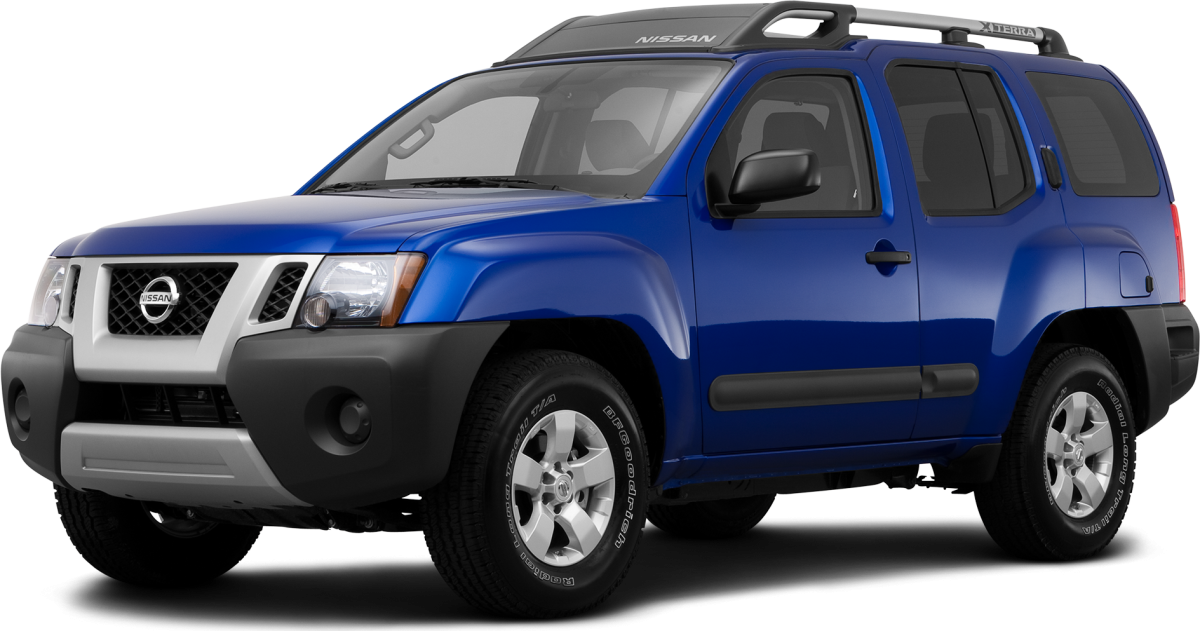
No third-party estimate links here. Good. Real pricing depends on region, rust, shop rate, and parts supply. Still, in actual customer-pay work orders across most of the US, these ranges are realistic enough to plan with. Call them service bay benchmarks.
| Repair / Service Item | When It’s Typical | Cost Type | USD ($) | Notes |
|---|---|---|---|---|
| RE5R05A replacement (reman or quality rebuild installed) | After coolant/ATF mixing, or hard-part failure | Service Bay Benchmark | $4,500–$7,500 | Usually includes converter, fluids, cooler-line service; extra damage and rust fights push this up fast |
| Radiator replacement (preventive on 2005–2010 automatics) | Before any contamination event | Service Bay Benchmark | $450–$1,050 | Radiator + coolant + labor; this is the cheap move compared to a grenaded tranny |
| Transmission fluid service (RE5R05A) | Maintenance or early shift-quality complaints | Service Bay Benchmark | $200–$450 | Pan-drop/filter vs exchange varies by shop practice and vehicle condition |
| M226 axle shaft assembly replacement (NTB10-008 scenario) | M226 axle seal leak with no gear/bearing noise | Service Bay Benchmark | $1,200–$2,200 | Rust and seized hardware change everything; brake cleanup can add cost |
| Driveshaft U-joint replacement | Vibration/noise confirmed at U-joint per NTB10-052 method | Service Bay Benchmark | $300–$650 | Some trucks are quick, some fight you; corrosion adds time |
| Transfer case fluid service (TX15B) | Maintenance, off-road use, towing, unknown history | Service Bay Benchmark | $150–$300 | Cheap insurance; worst case is seized plugs, then the bill grows |
| Differential fluid service (front or rear) | Maintenance, towing/off-road, unknown history | Service Bay Benchmark | $170–$400 | Axle type and traction device affect fluid and labor |
Big money happens when somebody drives a contaminated transmission for weeks because it “still moves.” Yeah, until it doesn’t. Then you’re paying for everything, not just the root cause.
Best and Worst Years
“Best and worst” is easy here. It’s not subtle. It’s exposure.
| Model Years | Configuration | Primary Transmission Risk Driver | Risk Level | Why |
|---|---|---|---|---|
| 2005–2010 | RE5R05A (automatic) | Radiator internal oil-cooler tube crack leading to coolant leakage and coolant/ATF mixing; warranty extension WBI12-028 applies | High | Official warranty-extension documentation confirms mechanism and states resulting transmission damage is covered when caused by the internal leakage condition |
| 2005–2010 | FS6R31A (manual) | Normal clutch and driveline wear; axle seal and U-joint bulletins still apply by config | Low | Manual trucks don’t use the radiator-integrated AT cooler tube that drives the major automatic failure pattern |
| 2011–2015 | RE5R05A (automatic) | Normal automatic wear patterns; maintenance-driven driveline durability | Low–Medium | The official radiator warranty extension targets 2005–2010 automatic vehicles; later models aren’t in that specific coverage population |
| 2011–2015 | FS6R31A (manual) | Clutch wear and routine driveline service needs | Low | No platform-specific catastrophic transmission mechanism is documented for these years |
If you want the easy shopping answer: a later-year automatic with proof of sane maintenance is usually a better bet than an early-year automatic with mystery cooling parts. Manuals are the steady ones, assuming the clutch isn’t cooked.
Warning Signs & Early Detection
I’ve watched people talk themselves out of obvious warning signs because they want the truck. Don’t do that.
Automatic (RE5R05A): High-Impact Warning Signs
- ATF that looks emulsified or has an abnormal color/texture, paired with cooling-system discoloration
- New shudder during steady cruise after warm-up, often around 35–55 mph (56–89 km/h)
- Delayed Drive/Reverse engagement after hot soak
- Shift flare (RPM jumps without matching acceleration)
- Loss of motive power under load
Driveline: Axle / U-Joint / Transfer Case Warning Signs
- Gear oil at rear backing plates or inside rear wheel area (possible axle seal leak)
- Burning gear-oil smell after highway driving
- Highway vibration that changes with throttle (often driveline/U-joint related)
- Clunk on takeoff or shifting between Drive/Reverse (driveline lash, U-joint, mounts, slip yoke)
- 4WD engagement issues or abnormal noises under load (transfer case/diff evaluation)
Inspection Methods That Actually Reduce Risk
| Inspection Item | What It Catches | Why It Matters |
|---|---|---|
| Cooling system inspection + history review (2005–2010 automatics) | Radiator risk exposure, evidence of internal leakage | Officially documented mechanism can destroy the transmission once coolant mixing starts |
| ATF condition check; pan/debris review when feasible | Debris load, friction material, abnormal contamination | Separates “needs service” from “core is failing” |
| Road test for converter shudder and flare | Early friction/control symptoms | Early intervention costs less than replacement |
| Rear axle leak check at seals/backing plates | M226 axle seal leak scenario described in NTB10-008 | Brake contamination and bearing damage ramp the bill |
| U-joint evaluation for stiffness/play per NTB10-052 approach | Driveline vibration source confirmation | Prevents misdiagnosis and unnecessary assemblies being slapped on |
In 2026, I still see buyers skip the cooling-system check on early automatics. Then they’re shocked. Don’t be that person.
When to Walk Away
Some trucks are a “needs maintenance” situation. Some are a “run” situation.
- Any 2005–2010 RE5R05A truck with no credible radiator replacement history plus signs of coolant/ATF cross-contamination
- Any Xterra with confirmed slip under load, not just a firm shift
- A truck with overheating history tied to a drivability complaint that suggests it was driven through a failure event
- M226 truck with axle seal leakage plus rear final drive noise/vibration (outside NTB10-008’s “no noise” gate, costs can climb fast)
- Severe driveline vibration that changes with throttle and can’t be pinned on tires/wheels
If the seller waves off the early automatic radiator issue as “internet drama,” that’s a red flag. The mechanism is in Nissan’s own warranty-extension documentation and it lives in the NHTSA petition record too.
Ownership Reality
This is where I get blunt. People treat these drivetrains like appliances. They’re not. They’re trucks. They need fluids.
| Topic | OEM Guidance Tendency | Real-World Outcome in Service Bays | Cost Consequence (USD) |
|---|---|---|---|
| 2005–2010 automatic cooling risk | Warranty extension exists for radiator assembly with co-pays and age/mileage limits | Failures show up out of coverage, or after the truck was driven with mixed fluids | $450–$1,050 preventive vs $4,500–$7,500 after contamination |
| Automatic transmission fluid service | Long intervals assumed acceptable unless “severe service” is admitted | Long intervals correlate with shudder/shift-quality complaints and earlier converter/control wear | $200–$450 service vs bigger bills once shavings show up |
| Transfer case and differential fluids | Owners treat them as “check only” | Unknown-history trucks show degraded fluids; towing, heat, and water accelerate wear | $150–$400 per service vs replacement-level costs if run low/contaminated |
| Rear axle seal leaks (M226, NTB10-008 conditions) | Owners expect a quick seal job | Bulletin scenario calls for axle shaft assembly replacement (bearing/seal/retainer/ABS rotor included) | $1,200–$2,200 typical, plus brake cleanup if it’s been leaking |
| Driveline vibration diagnosis | Often blamed on tires first | NTB10-052 gives a U-joint diagnosis path that can keep repairs sane | $300–$650 typical; misdiagnosis can balloon costs |
Service Interval Reality Check
There isn’t one magic interval that fits every owner. Short trips, towing, off-road, desert heat, salted roads, all of that changes the game. So here’s the schedule that keeps these out of trouble in the real world. Call it a field observation schedule. It works.
| Component | Service Bay Benchmark Interval | Why It Helps |
|---|---|---|
| RE5R05A ATF service | 30,000–50,000 miles (48,280–80,467 km) | Reduces heat degradation and helps spot early contamination or debris before the unit slips |
| TX15B transfer case fluid | 30,000–50,000 miles (48,280–80,467 km), sooner after water exposure | Protects gears/bearings and prevents wear from oxidized or contaminated fluid |
| Front and rear differential fluids | 30,000–60,000 miles (48,280–96,561 km), sooner after water exposure | Reduces gear and bearing wear, helps catch leaks and vent issues before low-fluid damage |
If you’re the “I never service diffs” type, fine. Just don’t act surprised when a bearing starts growling and the gears start eating themselves.
Lawsuits, Complaints & Regulatory History
This platform has paperwork. It matters because it anchors the big failure mechanism to an official record.
- Warranty Extension / Additional Coverage (Radiator Assembly): Nissan’s radiator assembly additional warranty extension announcement dated 10/12/2012 applies to all 2005–2010 Frontier, Pathfinder, and Xterra vehicles equipped with automatic transmissions. It states an internal crack on the oil cooler tube may occur, leading to internal leakage of engine coolant, and extends radiator assembly coverage to 10 years/100,000 miles (160,934 km) with listed co-pay tiers. It also states damage to other affected components, including the transmission, is covered when caused by the radiator internal leakage condition. WBI12-028 is referenced within that announcement.
- NHTSA Defect Petition: DP12-004 addresses automatic transmission failures related to failed transmission coolers in radiators for model years 2005–2010. The ODI resume describes co-mingled ATF/coolant due to radiator failure resulting in transmission failure and notes the complaint volume reviewed. The petition was denied, which means no recall was ordered through that petition process.
- Class Action Reference in Official Communication: The same Nissan warranty-extension announcement includes an FAQ entry referencing a class action lawsuit involving allegations of a defect in the radiator assembly and points owners toward settlement-related notice letters that may affect legal rights. That’s not legal advice. That’s simply what the official communication says exists.
VIN verification method: Nissan’s dealer systems are the right place to confirm eligibility and whether coverage actions were performed; the warranty-extension announcement references the dealer method for confirming eligibility/coverage. And you still check NHTSA’s VIN lookup for open recalls, even if this radiator issue was handled as a warranty extension instead of a safety recall.
Bottom Line
This Xterra generation doesn’t suffer from a hundred weird transmission defects. It suffers from one ugly, officially documented mechanism on 2005–2010 automatics: radiator internal oil-cooler tube cracking leading to engine coolant leakage and coolant/ATF mixing, with transmission damage as the common end result. Nissan’s warranty-extension documentation spells out the affected group and the coverage structure, and the NHTSA petition record backs up the complaint clustering.
Everything else is normal truck reality: axle seal leaks addressed by NTB10-008 on M226-style axles, U-joint vibration addressed by NTB10-052, and transfer case/diff life that depends on fluid condition and how hard the truck’s been worked.
In my experience, if you screen early automatics like your money matters, and you treat the driveline fluids like they’re real maintenance items, these trucks will run a long time. If you ignore the cooling risk and you run the driveline on ancient fluid, you’re rolling dice. Cheap dice, expensive outcome.


