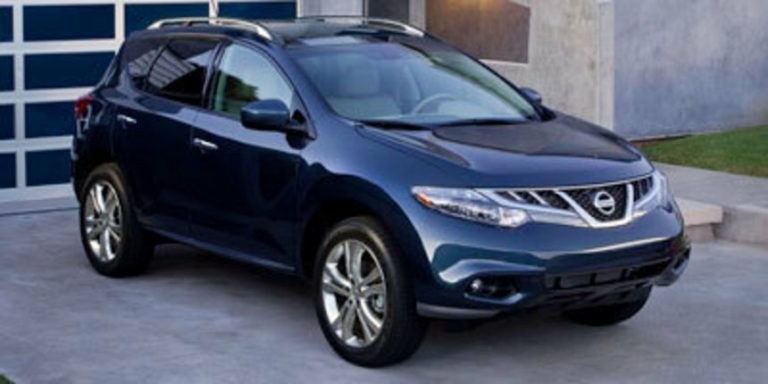
Nissan Sentra gen 6 2007–2012 CVT Transmission Failures Seen in Real Service Bays
Overview
The 2007–2012 Nissan Sentra CVT cars? Yeah. I’ve had a lot of them in my bays. Some fine. Some cooked. Some absolutely done.
This generation (B16 chassis) is simple on paper. Front-wheel drive. Transverse engine. One CVT option for the automatics. No AWD complexity. No transfer case drama. Just one steel-belt continuously variable transmission sitting there trying to survive American heat, traffic, hills, and neglected maintenance.
The transmission in question is the RE0F10A, also known as the JF011E. Nissan used it everywhere back then. Sentra. Altima. Rogue. When it works, it’s smooth. When it doesn’t, it’s expensive.
Nissan extended the CVT warranty on many 2003–2010 vehicles to 10 years or 120,000 Miles (193,000 km). That wasn’t random generosity. That was damage control. The extension covered transmission repairs or replacement for eligible VINs. It wasn’t a recall. No safety defect label. Just a quiet acknowledgment that a lot of these units were failing earlier than expected.
There was also TSB NTB12-057. That one dealt with premature fail-safe activation. Customers complaining about loss of power during highway driving. The fix wasn’t magic. Check fluid level. Make sure it’s genuine NS-2 fluid. Verify the coolant mixture. Because this tranny will throw a fit when temperatures climb.
No federal recall on the transmission itself. Still, if you read through NHTSA complaints for 2007–2010 models, you’ll see heavy clustering under Powertrain. Loss of propulsion. Overheating. Hesitation. Same story, different VIN.
Most of these cars are well past the 10-year window now. If it fails today, it’s your checkbook.
Which Transmissions It Uses
| Transmission Code | Type | Gear Count | Drive Layout | Engine Pairing | Production Years |
| RE0F10A (JF011E) | Continuously Variable Transmission (Steel Belt) | Variable Ratio | FWD | MR20DE 2.0L / QR25DE 2.5L | 2007–2012 |
That’s it. No alternate automatic options. No dual-clutch. No torque-converter six-speed. If you bought a CVT Sentra in this generation, this is what you got.
The RE0F10A uses a steel push belt riding between adjustable pulleys. Hydraulic pressure controls pulley clamping force. Stepper motor adjusts ratio. Integrated differential sits inside the same housing, sharing fluid. Cooling runs through the radiator heat exchanger. Factory fluid spec is Nissan NS-2. Not Dexron. Not “universal CVT fluid.” NS-2.
Main Failure Patterns
Thermal Protection and Highway Power Loss
This is the one customers describe as “it just stopped pulling.”
Highway speeds. Summer heat. Long grade. Suddenly the car won’t accelerate. RPM climbs slowly. It feels like the engine lost half its power. It didn’t. The CVT went into temperature protection mode.
Internally, once fluid temps climb past roughly 230°F (110°C), the control logic starts limiting ratio changes to protect the belt and pulleys. It feels gutless. Drivers panic.
NTB12-057 pointed out that overfilled fluid, wrong fluid type, or improper coolant mixture can trigger this early. I’ve seen quick-lube shops overfill these and send customers out the door with a ticking time bomb.
In hot states — Arizona, Texas, Florida — I’ve seen these units cook themselves faster than similar cars in mild climates. The cooling system matters more than people think.
Primary Belt and Pulley Wear
This is where the real money starts.
Between 90,000 and 140,000 Miles (145,000–225,000 km), a lot of original units begin showing belt slip. Not always catastrophic at first. Just subtle flare. Maybe a shudder between 20–40 mph (32–64 km/h). Then metal shavings show up in the pan during service.
The steel belt rides on precision-machined pulley faces. Once those faces score, it’s done. You don’t polish that out. You don’t “adjust” it. You replace the unit.
I’ve torn down a few. Once you see pulley grooves and belt wear marks, it’s over. Anything else is a band-aid fix.
Valve Body and Pressure Control Issues
Sometimes it isn’t the belt. Sometimes it’s hydraulic control.
The valve body houses the pressure control solenoids. When those start acting up, you’ll see delayed engagement into Drive or Reverse. Harsh ratio transitions. Stored pressure-related diagnostic trouble codes.
In some cases, replacing the valve body fixes it. In others, the pressure codes are just a symptom of internal wear. I always inspect fluid condition before recommending a valve body. If the fluid looks glittery, you’re wasting time.
Output Speed Sensor Service Sensitivity
NTB11-042 covers this one. The output speed sensor uses shims to set correct air gap. Remove it without reinstalling the correct shim stack and you can get erratic readings.
This isn’t a spontaneous failure. It’s a service mistake. I’ve seen it after independent repairs. Wrong shim. No shim. Customer comes back with new problems that didn’t exist before.

Differential Bearing Wear
The differential is inside the same housing. Same fluid. Same heat exposure.
Beyond 120,000 Miles (193,000 km), some units develop a load-dependent whine. It changes with vehicle speed, not engine RPM. That’s final drive bearing wear.
Fixing it means pulling and disassembling the transmission. At that point, most owners choose full replacement.
Typical Repair Costs
Let’s talk money. Because that’s what people really want to know.
| Repair Type | Parts (USD) | Labor (USD) | Total (USD) | Mileage Context |
| Complete CVT Replacement (Reman Unit) | $3,200–$4,500 | $1,200–$2,000 | $4,400–$6,500 | 90k–140k Miles |
| Valve Body Replacement | $800–$1,400 | $700–$1,200 | $1,500–$2,600 | 70k–120k Miles |
| CVT Fluid Service (NS-2, ~7–8 Quarts / 6.6–7.6 Liters) | $120–$200 | $150–$300 | $270–$500 | 30k–60k Mile Interval |
| Differential Bearing Repair | $600–$1,000 | $1,200–$2,000 | $1,800–$3,000 | 120k+ Miles |
When belt slip is confirmed, I recommend replacement. Tear-down rebuilds on this unit are labor heavy and not always durable unless done by a specialist who lives and breathes CVTs.
I’ve seen reman units last another 100,000 Miles. I’ve also seen cheap rebuilds grenade within a year.
Best and Worst Years
| Model Year | Warranty Extension Eligibility | Complaint Clustering | Dominant Pattern | Risk Level |
| 2007 | Originally Eligible (Expired) | High | Thermal Fail-Safe / Belt Wear | High |
| 2008 | Originally Eligible (Expired) | High | Thermal Events | High |
| 2009 | Originally Eligible (Expired) | High | Valve Body / Belt Wear | High |
| 2010 | Originally Eligible (Expired) | Moderate-High | Thermal Protection Activation | Moderate-High |
| 2011 | Not Covered | Moderate | Wear-Related Failures | Moderate |
| 2012 | Not Covered | Moderate | Wear-Related Failures | Moderate |
Early production years show heavier complaint density. Later years aren’t immune. They just had fewer vehicles inside the original warranty window when failures started surfacing.
Warning Signs & Early Detection
Small clues. Pay attention.
- Delayed engagement into Drive
- Shudder at 25–40 mph (40–64 km/h)
- RPM rising without matching acceleration
- Highway power fade after 20–30 minutes
- Burnt fluid smell
When I inspect one pre-purchase, I scan for stored codes, check fluid color, road test it under sustained load, and watch live temperature data. If I see excessive heat spikes, I walk the buyer through the risk.
Fluid full of metallic shavings? That’s internal wear. No debate.
When to Walk Away
Sometimes the smartest repair is no purchase.
- Over 110,000 Miles (177,000 km) with zero fluid service records
- History of overheating complaints
- Active CVT codes present
- Noticeable slip or flare on test drive
- Cheap rebuild already installed
If it’s already lunching internally, you’re buying a future $5,000 problem.
Ownership Reality
| OEM Guidance | What I See in the Field | Cost Consequence |
| Extended fluid interval marketing | Fluid degraded by 30k–60k Miles | Accelerated belt wear |
| No auxiliary cooler required | High-heat regions shorten lifespan | Earlier replacement |
| 10yr/120k Mile warranty extension | Most units now outside coverage | $4,500–$6,500 out-of-pocket |
| No recall issued | Heavy complaint concentration | Owner-funded repair burden |
In my experience, fluid service every 40,000–50,000 Miles makes a measurable difference. Ignore it, and you’re gambling. Simple as that.
Lawsuits, Complaints & Regulatory History
NHTSA complaint data shows consistent clustering under Powertrain for 2007–2010 models. Loss of propulsion events show up again and again.
No safety recall was issued for the RE0F10A in this Sentra generation.
The 10-year/120,000 Mile warranty extension speaks volumes. Manufacturers don’t extend coverage unless they’re seeing higher-than-expected failure rates.
This transmission family has been involved in broader Nissan CVT litigation across multiple models. The Sentra shares the same architecture. Different body. Same core hardware.
Bottom Line
The RE0F10A CVT defines the reliability of the 2007–2012 Sentra. Everything revolves around it.
Maintain it, keep it cool, use the correct NS-2 fluid, and you might see 150,000 Miles (241,000 km) or more.
Ignore it, overheat it, skip fluid service — and it becomes a very expensive lesson.
I’ve seen both outcomes. The difference is almost always maintenance and heat control. The hardware is what it is.