Is the Toyota Camry gen 7 2012–2017 Transmission a Reliability Risk?
Overview
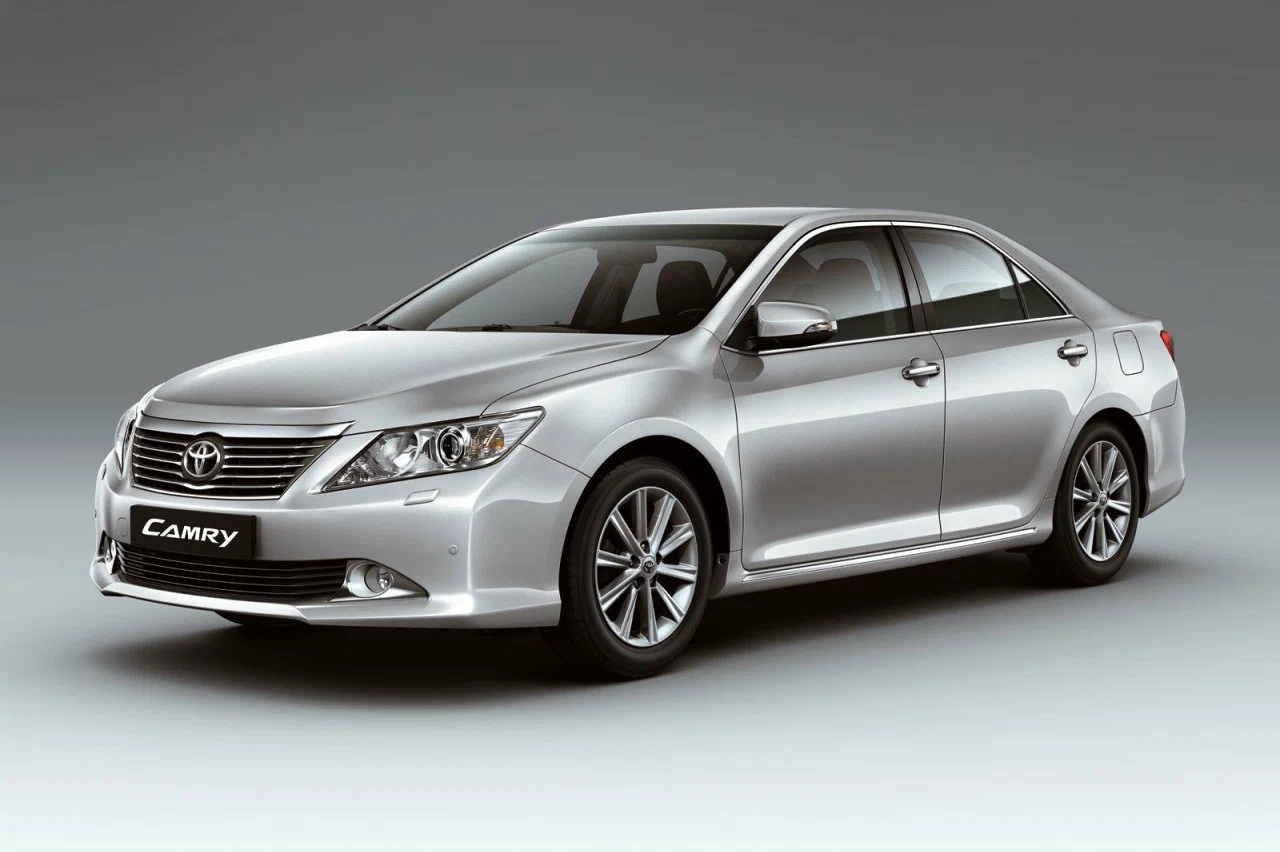
The 2012–2017 Camry. XV50 chassis. On paper? Boring. Reliable. Predictable.
In the shop? Mostly true. But there’s one pattern that shows up over and over on the 2.5L cars, and if you ignore it, you’ll end up chasing your tail and throwing money at the wrong fix.
I’m talking about the U760E torque converter shudder. The flex lock-up mess. The rumble-strip-at-40-mph complaint that owners swear is an engine misfire.
Toyota didn’t ignore it. They documented it. Multiple Technical Service Bulletins. Then they escalated to a Warranty Enhancement Program — ZE5 — on certain 2012–2014 Camry models. That tells you something. Automakers don’t extend coverage because they’re bored.
- Warranty Enhancement Program ZE5: covers brief intermittent shudder during torque converter flex lock-up at roughly 25–50 mph (40–80 km/h). Verified condition gets a new torque converter, added transmission pan magnets, and ECM calibration update. Secondary coverage runs 8 years from first use or 150,000 miles (241,000 km), whichever comes first.
- Limited Service Campaign E03: software update on certain VINs to reduce the same flex lock-up behavior. VIN specific. No guessing.
- NHTSA Recall 12V-091: stop lamp switch recall. Can cause no-start and inability to shift out of Park. Not a bad tranny. A bad switch. Big difference.
First rule when buying one of these? Run the VIN. Don’t assume. Check ZE5 eligibility. Check LSC E03 completion. Check recall 12V-091 status. Two minutes online can save you two grand later.
Which Transmissions It Uses
U760E
Model Code: U760E
Gear Count: 6
Drive Layout: FWD
Engine Pairing: 2.5L 2AR-FE
Production Years (XV50): 2012–2017
This is the volume unit. The one most people own. The one tied to the shudder story.
U660E
Model Code: U660E
Gear Count: 6
Drive Layout: FWD
Engine Pairing: 3.5L 2GR-FE
Production Years (XV50): 2012–2017
V6 cars use this. Different behavior profile. Not part of the big flex lock-up warranty enhancement drama.
P314 Hybrid Transaxle
Model Code: P314
Gear Type: Planetary power-split eCVT
Drive Layout: FWD
Engine Pairing: Camry Hybrid system
Production Years (XV50): 2012–2017
No torque converter in the traditional sense. No stepped gears. Different animal entirely.
No verified alternative transmissions were used in the U.S. for this generation. That’s the full lineup.
Main Failure Patterns
U760E Flex Lock-Up Shudder
This is the one.
Customer says: “It vibrates around 40 mph.” You road test it. Light throttle. Flat road. 25–50 mph (40–80 km/h). There it is. Feels like you hit rumble strips for a second. Then it clears.
I’ve seen dozens of these. The torque converter clutch friction material starts degrading. Lock-up modulation gets sloppy. Instead of a clean apply, you get a chatter event. Toyota’s own language calls it “brief intermittent shudder during torque converter flex lock-up.”
ZE5 spells out the real repair. Replace the torque converter. Add extra pan magnets. Update ECM logic. The added magnets are not cosmetic. That’s Toyota admitting there can be clutch debris floating around — shavings, friction material, whatever you want to call it.
Here’s where it goes sideways. Someone does a fluid exchange. Fresh WS fluid quiets it down for a while. Owner thinks it’s fixed. It’s not. That’s a band-aid fix if the clutch lining is already compromised.
Field Observation: I typically see it show up between 60,000 and 120,000 miles (96,000–193,000 km). Earlier if the car lived in stop-and-go traffic and light throttle cruising all day.
Software vs Hardware
LSC E03 gave certain VINs a calibration update. It helps. It changes the lock-up strategy. But if the converter clutch is already chewed up, no flash in the world will glue that friction material back together.
Software reduces symptoms. Hardware fixes damage. Simple as that.
Fluid Level Screwups
Now let’s talk about something that drives me nuts.
These transmissions use Toyota WS fluid and a specific level adjustment procedure. Temperature window matters. Overflow plug procedure matters. You can’t just “fill it till it looks right.”
Service Bay Benchmark: I’ve seen cars come in shifting harsh after a quick lube shop “serviced” the tranny. Fluid level wrong. Sometimes overfilled. Sometimes low. Suddenly the owner thinks the transmission is dying.
Correct the level, drive it, and the shift quality normalizes. That’s not magic. That’s physics.
U660E in the V6
The 3.5L cars use the U660E. Different reputation.
No factory warranty enhancement tied to flex lock-up shudder on this generation’s V6. In my experience, these are stable units. High-mileage wear? Sure. Everything wears. But no ticking time bomb pattern like the early U760E shudder cohort.
P314 Hybrid Transaxle
Hybrid cars are different. No conventional torque converter. Planetary power-split device doing its thing.
Field Observation: I see hybrid units crossing 200,000 miles (322,000 km) without internal failure. When something goes wrong, it’s usually diagnostics-heavy — hybrid system codes, sensor issues, cooling problems — not lunching gears or converter shudder.
They’re not cheap to repair if they do fail. But they don’t have the same high-volume mechanical complaint.

Recall 12V-091 — Stuck in Park
This one confuses people.
Car won’t shift out of Park. No-start. Dash lights. Owner says “my transmission locked up.” No. The stop lamp switch may have failed. The recall documentation describes increased contact resistance from contamination that can prevent shifting out of Park.
It’s a safety recall. Replace the switch. Done. But if you don’t verify recall completion, you might pay for a tow and a misdiagnosis before anyone checks the basics.
Typical Repair Costs
Let’s talk numbers. Because this is where things get real fast.
| Repair Type | Parts (USD) | Labor (USD) | Total (USD) | Notes |
|---|---|---|---|---|
| U760E Torque Converter Replacement | $700–$1,200 | $1,000–$1,800 | $1,700–$3,000 | Service Bay Benchmark; ZE5 may reduce cost to $0 if eligible |
| U760E Replacement Transmission | $2,500–$4,500 | $1,200–$2,000 | $3,700–$6,500 | Industry Estimate; used or reman unit |
| WS Fluid Drain & Fill | $80–$200 | $150–$300 | $230–$500 | Service Bay Benchmark |
| Fluid Level Correction | $40–$120 | $200–$450 | $240–$570 | Service Bay Benchmark; correct temp-based procedure |
| Stop Lamp Switch Replacement | $20–$60 | $50–$150 | $70–$210 | Often $0 if recall performed |
Here’s the reality: if a 2012–2014 2.5L shudders on a road test and there’s no proof of ZE5 correction, you budget for a converter job. Or you negotiate. Or you walk.
Best and Worst Years
The split is simple. Early 2.5L cars versus later builds.
| Model Year | Engine | Transmission | Exposure | Primary Risk | Risk Level |
|---|---|---|---|---|---|
| 2012 | 2.5L | U760E | ZE5 / LSC E03 applicable VINs | Flex lock-up shudder | Medium–High |
| 2013 | 2.5L | U760E | ZE5 / LSC E03 applicable VINs | Flex lock-up shudder | Medium–High |
| 2014 | 2.5L | U760E | ZE5 / LSC E03 applicable VINs | Flex lock-up shudder | Medium–High |
| 2015–2017 | 2.5L | U760E | No published converter warranty enhancement | Wear-related issues | Low–Medium |
| 2012–2017 | 3.5L | U660E | No converter enhancement program | High-mileage wear | Low–Medium |
| 2012–2017 | Hybrid | P314 | No shudder program | Low driveline failure rate | Low |
If I’m buying one for myself? I lean toward 2015+ 2.5L or any clean V6 with solid service history.
Warning Signs & Early Detection
| Symptom | What It Feels Like | Likely Area | Why It Matters |
|---|---|---|---|
| Light throttle vibration 25–50 mph | Brief rumble-strip feel | U760E converter clutch instability | Often escalates if ignored |
| Harsh shifts after service | Delayed Drive engagement or bang shifts | Incorrect WS fluid level | May be service-induced, not internal failure |
| Stuck in Park | Shifter won’t move, brake lights may fail | Stop lamp switch (12V-091) | Stranding risk, recall check required |
I always road test in that lock-up window. Light throttle. Steady speed. If it shudders, I don’t ignore it. I don’t guess either. I verify VIN status and look for documented converter replacement under ZE5.
When to Walk Away
2012–2014 2.5L. Active shudder. No paperwork. Seller says “they all do that.” That’s when I step back.
Repeated converter replacements with no ECM update documentation? Red flag.
Shift complaints right after a fluid service and no proof the WS level procedure was followed? Either negotiate hard or let someone else gamble.
Ownership Reality
| Category | OEM Documentation | Real Shop Outcome | Cost Impact |
|---|---|---|---|
| Flex Lock-Up Shudder | ZE5 covers verified condition on certain VINs | Proper converter replacement fixes it; band-aid fixes don’t | $0 under coverage or up to ~$3,000 retail |
| Software Update | LSC E03 available for certain VINs | Helps early-stage cases | May delay but not eliminate hardware repair |
| Fluid Service Interval | No strict normal-service interval published | 60k–75k mile (96k–120k km) fluid service common practice | Reduces long-term wear risk |
| Warranty Timing | 5yr/60k mile powertrain | Shudder often appears outside standard coverage | Owner-funded repair unless ZE5 applies |
| Recall 12V-091 | Stop lamp switch replacement | Fixes stuck-in-Park complaints | $0 if recall completed |
In my experience, this generation isn’t a ticking time bomb. It’s a conditional risk. Know the VIN. Know the symptoms. Don’t fall for the cheap flush solution if the converter is already worn.
Bottom Line
The 2012–2017 Camry drivetrain is mostly solid. The U760E shudder issue on certain 2012–2014 2.5L cars is the defining problem.
Verify ZE5. Verify LSC E03. Verify 12V-091.
Do that, road test it properly, and you can own one of these without drama. Skip the homework, and you might end up paying for a torque converter you could have negotiated out of the deal.