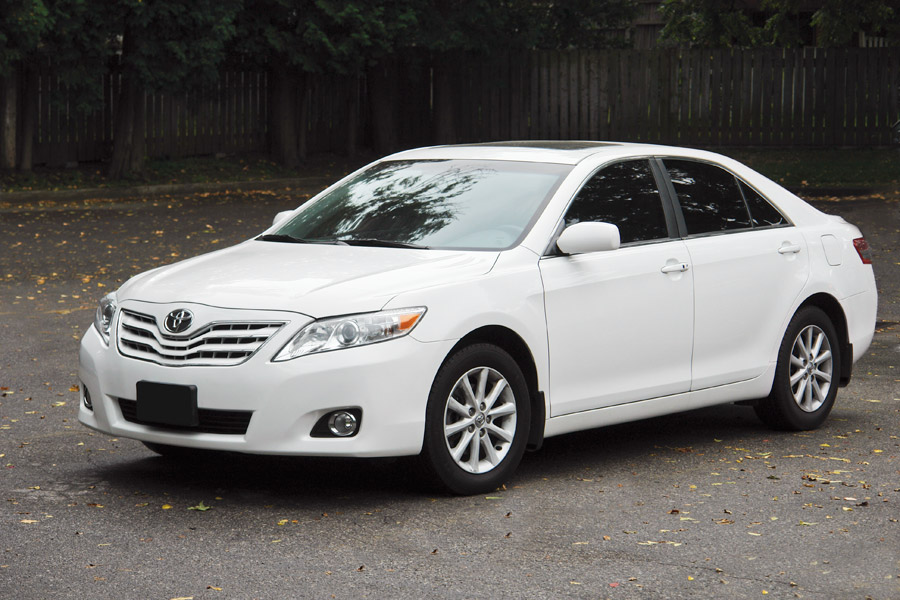
Toyota Camry gen 6 2007–2011 Transmission: Common Issues and Expert Verdict
Overview
The 2007–2011 Camry. XV40 chassis. On paper, it’s the safe bet sedan. In the bay, it depends on what’s under the hood.
I’ve worked on these since they were new. Some are rock solid. Some come in flaring between gears like they’re confused about life. The difference usually comes down to transmission code and build timing.
This generation used three main driveline setups in the U.S. market: U241E, U250E, U660E, and the P310 hybrid transaxle. No AWD. No transfer cases. Straight FWD layout. Simple architecture, transverse engine, integrated differential inside the transaxle housing.
Early 2007 V6 cars with the U660E are where the noise starts. Toyota issued TSB TC007-07 for shift flare. Later came T-SB-0061-08 for torque converter clutch shudder. Not recalls. Not safety campaigns. Just technical bulletins that dealers handled quietly.
No federal recall ever forced Toyota to replace these transmissions. If one grenaded, it was handled case-by-case. Warranty or owner wallet. Five years or 60,000 miles (96,000 km) powertrain coverage. After that? You’re on your own.
Which Transmissions It Uses
U241E
- Model Code: U241E
- Gear Count: 5-speed
- Drive Layout: FWD
- Engine Pairing: 2.4L 2AZ-FE inline-4
- Production Years: 2007–2009 (U.S.)
This is the simpler five-speed. Hydraulic control, electronic solenoids, conventional torque converter. I’ve seen plenty go past 200,000 miles (322,000 km) with fluid changes.
U250E
- Model Code: U250E
- Gear Count: 5-speed
- Drive Layout: FWD
- Engine Pairing: 2.5L 2AR-FE inline-4
- Production Years: 2010–2011 (U.S.)
Updated four-cylinder engine, similar transmission architecture. Slight refinement, not a radical redesign.
U660E
- Model Code: U660E
- Gear Count: 6-speed
- Drive Layout: FWD
- Engine Pairing: 3.5L 2GR-FE V6
- Production Years: 2007–2011
This is the one that gets talked about. Six speeds, tighter ratios, better fuel economy targets. Also the source of most complaints early on.
P310 Hybrid Transaxle
- Model Code: P310
- Gear Type: Electronically controlled planetary (eCVT)
- Drive Layout: FWD
- Engine Pairing: 2.4L 2AZ-FXE Hybrid
- Production Years: 2007–2011
No stepped gears. Planetary power split device. Electric motors doing most of the blending. Completely different animal internally.
No verified alternative transmissions were used in the U.S. for this platform. That’s the full roster.
Main Failure Patterns
U660E Shift Flare – TSB TC007-07
Let’s start with the flare. Early 2007 V6 cars. You’d accelerate moderately, 2–3 upshift happens, and the RPM jumps like it missed the memo. Then it grabs. Customers hated it.
I’ve seen dozens of these. The root cause was calibration strategy — line pressure and clutch timing not playing nicely together. Toyota issued TSB TC007-07 to reflash the ECM. Revised shift logic. Different pressure ramp. It helped.
Most of the flare complaints showed up below 60,000 miles (96,000 km). Some as early as 20,000–30,000 miles. Cold mornings made it worse. Below 50°F (10°C), you could reproduce it easily.
Reflash fixed many. Not all. A handful kept flaring and eventually needed internal repair or a full unit replacement. When you see one that still flares after the update, it’s usually clutch wear already in motion.
Torque Converter Clutch Shudder – T-SB-0061-08
This one feels like driving over rumble strips at 40 mph. Light throttle. Steady cruise. The torque converter clutch is trying to lock, slipping, grabbing, slipping again.
TSB T-SB-0061-08 covered this condition for qualifying vehicles. Repair usually meant replacing the torque converter. Not a band-aid flush. A real mechanical swap.
In my experience, this shudder tends to show up between 70,000 and 120,000 miles (113,000–193,000 km). Earlier if the fluid was never touched. And yes, Toyota marketed the fluid as long-life. In the real world, that’s optimistic.
When I drain one of these at 100,000 miles with original fluid, it’s dark. Smells burnt. Clutch material floating around like glitter. That’s not magic fluid. That’s wear.
Valve Body Wear and Delayed Engagement
High-mileage U241E and U250E units develop lazy engagement. You shift into Drive. Pause. Then clunk. Same in Reverse.
This is usually valve body wear or solenoid response degradation. I start seeing it north of 140,000 miles (225,000 km). Not catastrophic. Just tired hydraulics.
Left alone long enough, the clutches start slipping. Then it gets expensive.
P310 Hybrid Transaxle Durability
The hybrid P310? Different story.
I rarely see internal failures on these unless fluid is contaminated or the cooling system was ignored. Fleet cars with 200,000+ miles (322,000+ km) still running original hardware. No bands. No clutches the way a conventional automatic has them.
When one does fail, it’s usually bearing noise or electrical component issues tied to the motor-generator system, not planetary gear destruction.
Typical Repair Costs
Let’s talk money. Because this is where people get punched in the face.
| Repair Type | Parts (USD) | Labor (USD) | Total (USD) | Mileage Context |
| Torque Converter Replacement (U660E) | $700–$1,000 | $1,200–$1,800 | $1,900–$2,800 | 70k–120k miles |
| Complete Transmission Replacement (U660E) | $3,800–$5,200 | $1,200–$1,800 | $5,000–$7,000 | 80k–160k miles |
| Valve Body Replacement (U241E/U250E) | $900–$1,400 | $700–$1,000 | $1,600–$2,400 | 140k+ miles |
| Drain & Fill Service | $90–$160 | $120–$220 | $210–$380 | Preventive |
U660E service drain is roughly 3.5–4.5 quarts (3.3–4.3 liters). Full dry fill runs about 10–11 quarts (9.5–10.4 liters). You’re not replacing everything with one drain. Anyone who says you are is guessing.
Full replacement at $6,000 hurts. Especially on a car worth $7,500.
Best and Worst Years
| Year | Engine | Transmission | Complaint Pattern | Dominant Issue | Risk Level |
| 2007 (early build) | 3.5L V6 | U660E | Highest clustering | Shift flare | High |
| 2008 | 3.5L V6 | U660E | Moderate | Converter shudder | Medium |
| 2009 | 2.4L I4 | U241E | Lower | Wear-related shudder | Medium-Low |
| 2010–2011 | I4 / V6 | U250E / U660E | Reduced clustering | High-mileage wear | Low–Medium |
If I’m buying one, I lean 2010–2011. Earlier 2007 V6 without documented reflash? I tread carefully.
Warning Signs & Early Detection
Simple checklist.
- RPM flare during upshift
- Vibration at steady 40 mph cruise
- Delay into Drive or Reverse
- Harsh 2–3 shift when cold
- Burnt ATF smell
I hook up a scan tool and watch torque converter slip speed. If it can’t hold steady during commanded lockup, something’s wearing. Fluid sample with visible friction material? That’s your early warning.
Ignore it and the tranny starts lunching clutches. Then you’ll see shavings in the pan. That’s the beginning of the end.
When to Walk Away
Early 2007 V6. No documentation of TC007-07 reflash. Active flare on test drive. I walk.
Car shakes at 45 mph under light throttle and seller says “they all do that.” No. They don’t.
Metallic debris in the fluid. Not just dark fluid. Real sparkly junk. That unit is on borrowed time.
Ownership Reality
Here’s where marketing and the shop floor split.
| Category | OEM Guidance | Real-World Experience | Financial Impact |
| Fluid Service Interval | No fixed interval under normal use | Service every 60k miles extends life | Delaying service increases converter wear |
| Software Updates | Applied if customer complains | Early reflash prevents long-term flare damage | Missed update can lead to overhaul |
| Warranty Coverage | 5yr/60k miles powertrain | Many failures show after coverage ends | Owner pays $2k–$6k |
| High Mileage Expectation | No overhaul schedule | 200k+ miles achievable with maintenance | Lower lifetime cost if maintained |
Lifetime fluid is a marketing phrase. In the real world, heat kills fluid. Fluid breakdown kills clutches. Clutches shed material. That material circulates. It’s a chain reaction.
Lawsuits, Complaints & Regulatory History
NHTSA complaint clustering centered around 2007 V6 shift behavior. Enough noise to trigger TSB action, not enough to trigger recall classification.
No verified class action targeting U241E, U250E, U660E, or P310 for this generation.
Transmission issues here were handled through dealer-level bulletins, goodwill repairs, and warranty claims. Not federal mandates.
Bottom Line
This isn’t a ticking time bomb platform. It’s not flawless either.
Early U660E calibration problems were real. Torque converter shudder is real. Neglected fluid makes both worse.
Maintain it, and many of these cars cross 180,000–220,000 miles (290,000–354,000 km) without major drama. Ignore it, and the repair bill gets ridiculous fast.
From a Master Tech perspective? Solid drivetrain overall. Just don’t treat the transmission like it’s invincible.