Transmission Issues, Recalls, and Complaints on the Subaru Legacy gen 7 2020–2025 CVT
Overview
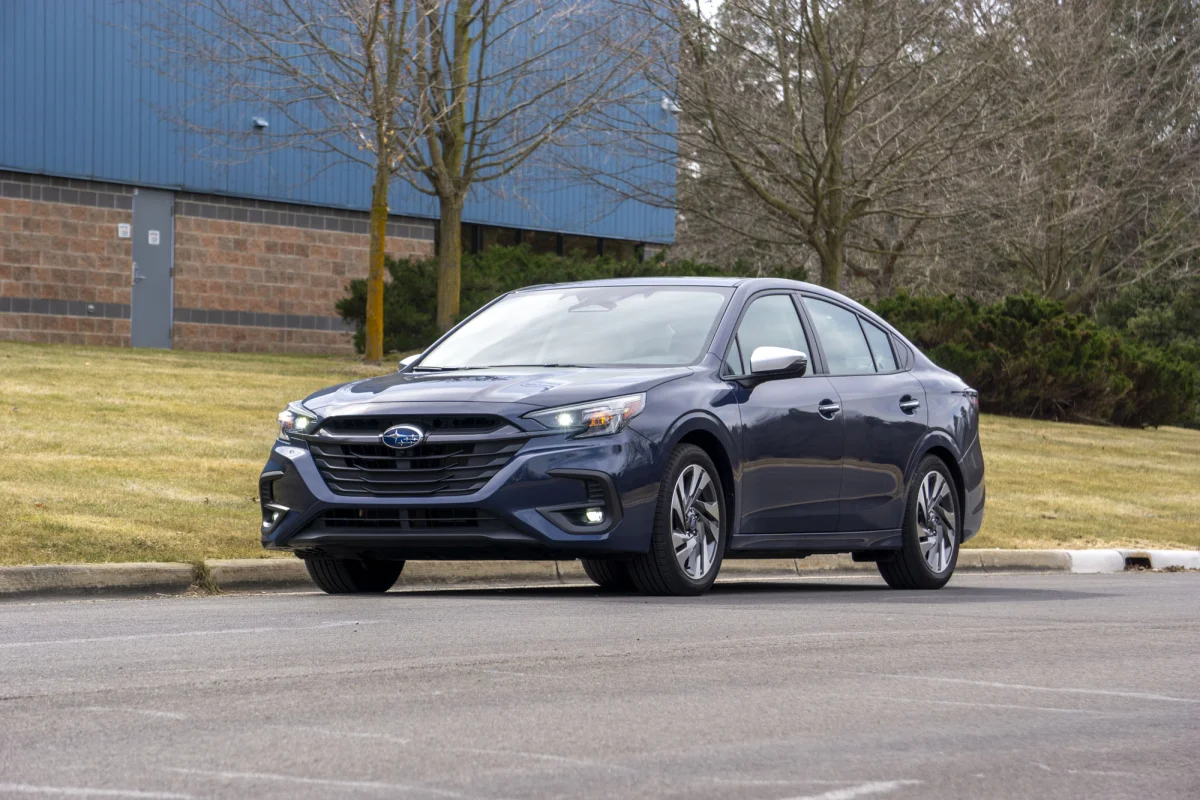
The 2020–2025 Subaru Legacy. All-wheel drive. CVT only. No alternatives.
And yeah… this isn’t one of those platforms where you can just say “it’s fine” and move on.
Everything here revolves around Subaru’s Lineartronic CVT setup. Two versions. TR580 behind the 2.5L, TR690 behind the 2.4 turbo. Same basic idea—chain-driven CVT, integrated AWD clutch—but they behave very differently once miles stack up.
I’ve seen both apart on benches. One’s manageable. The other can get ugly fast.
And before anything else—this platform has actual recalls tied to transmission failure risk. Not theory. Not “internet noise.” Real regulatory action. That always changes how I look at a drivetrain.
Which Transmissions It Uses
| Transmission Code | Type | Drive Layout | Engine Pairing | Years Used | Notes |
|---|---|---|---|---|---|
| TR580 | Chain-driven CVT (Lineartronic) | AWD | 2.5L FB25 naturally aspirated | 2020–2025 | Lower torque unit, integrated transfer clutch |
| TR690 | High-torque chain CVT (Lineartronic) | AWD | 2.4L FA24 turbo | 2020–2025 | Heavier internals, higher load, more stress |
No verified alternative transmissions used. If you’re buying one of these, you’re getting a CVT. Period.
Main Failure Patterns
TR690 (2.4L Turbo) — Chain Slip Problem
This is the big one. The one that actually triggered recalls.
NHTSA recalls 21V-955 (WRK-21) and 22V-485 (WRK-22). Early turbo cars. Bad TCM programming. That’s where it starts.
Here’s what happens.
The transmission lets the chain slip more than it should under load. Not a little. Enough to start damaging internal parts. Once that starts, you’re basically grinding the inside of the tranny. Slowly at first. Then not so slowly.
- Chain guide gets chewed up
- Metal shavings circulate through the unit
- Eventually… no drive
I’ve seen these come in driving. Then a few weeks later—dead. Completely done. That’s how this failure escalates.
Subaru’s fix? Reprogram the TCM, inspect internally, and if there’s damage… replace the whole unit. No partial rebuild. No saving it.
TR690 — Shudder, Hesitation, Weird Drive Feel
Different issue. Same transmission.
These cars come in with complaints like:
- “Feels like it slips”
- “Shakes when I accelerate”
- “Laggy off the line”
And it’s not always a blown unit. Sometimes it’s just how the system is behaving.
Field Observation:
There’s a mix going on here—control strategy, wear patterns, fluid condition. Subaru doesn’t pin it on one clean failure. They give you a diagnostic tree instead. That tells you everything. It’s not a single defect. It’s a system that gets messy over time.
Some of these get better with software updates. Some don’t.
MPT Transfer Clutch — AWD Binding and Shudder
This one catches people off guard.
You’re turning. Parking lot speed. Light throttle. And the car feels like it’s fighting itself. Almost like the brakes are dragging. That’s not brakes.
That’s the transfer clutch inside the CVT.
Subaru calls it the MPT clutch. Multi-plate. Lives inside the transmission. When it starts acting up, you get:
- Judder on turns
- Binding sensation
- Uneven torque split
And here’s the kicker—you don’t service it externally. You’re going into the transmission to fix it. That’s not cheap and it’s not quick.
TR580 (2.5L) — Electrical Control Issues
The smaller CVT. Less torque. Different problems.
This one doesn’t usually grenade mechanically. It does something more annoying.
It throws codes. Electrical ones.
- P2721
- P2763
- P0974
- P0977
Root cause? Moisture getting into the connector for the control valve.
Yeah. Water. Inside a transmission electrical system.
In the shop, you’ll see weird behavior:
- Harsh engagement
- Inconsistent ratio changes
- Limp mode
Fix usually involves connector covers, harness work, sometimes a valve body. Not catastrophic, but not something you ignore either.

Rear Differential — Noise Complaints
This one’s quieter—until it’s not.
Some 2020–2021 cars develop a hum or high-pitched whine from the rear. Not the CVT. The diff.
Subaru documented it. Gear surface wear under certain conditions.
It’s one of those noises customers notice right away. And once you hear it, you can’t un-hear it.
TR690 — False Pump Failure Code (P2797)
This is a weird one.
The car thinks the auxiliary transmission pump failed. It didn’t. The system just gets confused during start-stop events.
So you get a warning. Maybe a drivability hiccup. But the hardware is fine.
Fix? Software update. That’s it.
Typical Repair Costs
Let’s talk money. Because this is where people get blindsided.
| Component / Repair | Typical Cost (USD) | Classification |
|---|---|---|
| Full CVT replacement (TR690) | $7,500 – $10,500 | Service Bay Benchmark |
| Full CVT replacement (TR580) | $6,000 – $8,500 | Service Bay Benchmark |
| MPT transfer clutch repair | $2,500 – $4,500 | Service Bay Benchmark |
| Control valve / harness repair | $800 – $2,000 | Service Bay Benchmark |
| Rear differential replacement | $1,500 – $2,800 | Service Bay Benchmark |
| TCM reflash | $150 – $400 | Service Bay Benchmark |
And here’s the reality—most CVTs don’t get rebuilt. They get swapped. That’s why the price jumps so fast.
Best and Worst Years
| Year Range | Risk Level | Notes |
|---|---|---|
| 2020–2021 (Turbo) | High | Recall exposure, chain slip risk |
| 2020–2021 (2.5L) | Medium | Electrical issues and early diff noise |
| 2022–2023 | Medium | Improved software, fewer major issues |
| 2024–2025 | Projected Rating: Medium-Low | Too early for long-term patterns |
Early turbo cars are the ones I’d look at hardest. Everything else depends on maintenance and history.
Warning Signs & Early Detection
You don’t wait for these to fail. You watch them.
- Shudder when accelerating
- Lag or hesitation off the line
- Binding while turning
- Whining noise from rear
- Any CVT-related codes
In my experience, once you feel consistent shudder, damage has already started. Not always catastrophic yet—but it’s not “normal behavior” either.
When to Walk Away
Some cars just aren’t worth the risk.
- Turbo model with no recall record — walk
- Any car that shudders under load — walk
- Stored CVT codes with no repair history — walk
- Transmission already “acting weird” — definitely walk
I’ve seen too many of these turn into full replacements within months.
Ownership Reality
| Category | OEM Guidance | Real-World Outcome | Classification | Consequence |
|---|---|---|---|---|
| CVT Fluid | Minimal service guidance | Breaks down over time | Field Observation | Accelerated wear |
| Warranty | 5yr / 60k miles (96,000 km) | Failures occur outside coverage | Industry Estimate | High out-of-pocket cost |
| Software Updates | Applied as needed | Critical for preventing issues | Field Observation | Missed updates increase risk |
| AWD System | No regular service required | Clutch wear over time | Service Bay Benchmark | Internal repair needed |
Subaru doesn’t call the fluid “lifetime” the way some brands do—but the lack of clear service intervals? Same effect. People ignore it. Then the tranny pays for it.
Lawsuits, Complaints & Regulatory History
The recalls matter here. A lot.
21V-955 and 22V-485. Both tied to TR690 chain slip risk. Both tied to loss of drive potential.
If you’re buying one of these, you check the VIN. No excuses. Subaru dealer, NHTSA database—takes five minutes.
There’s also a CVT warranty extension to 10 years / 100,000 miles (160,000 km) on certain vehicles. That doesn’t happen unless there’s a pattern.
Complaint data lines up with what we see in the shop:
- Shudder complaints
- Loss of acceleration
- Early transmission replacements
No confirmed class action specific to this exact generation. Still, the pattern looks familiar if you’ve worked on older Subaru CVTs.
Bottom Line
Two transmissions. Two personalities.
TR580? Annoying problems. Electrical stuff. Usually fixable.
TR690? Higher stakes. More load. Real failure history.
If everything is updated, maintained, and behaving normally, these can run fine. I’ve seen that too.
But if something feels off—shudder, hesitation, binding—you don’t ignore it. Because when these go, they don’t slowly fade out.
They fail hard. And they get expensive fast.