How the Subaru BRZ gen 2 2022–present Transmission Actually Fails
Overview
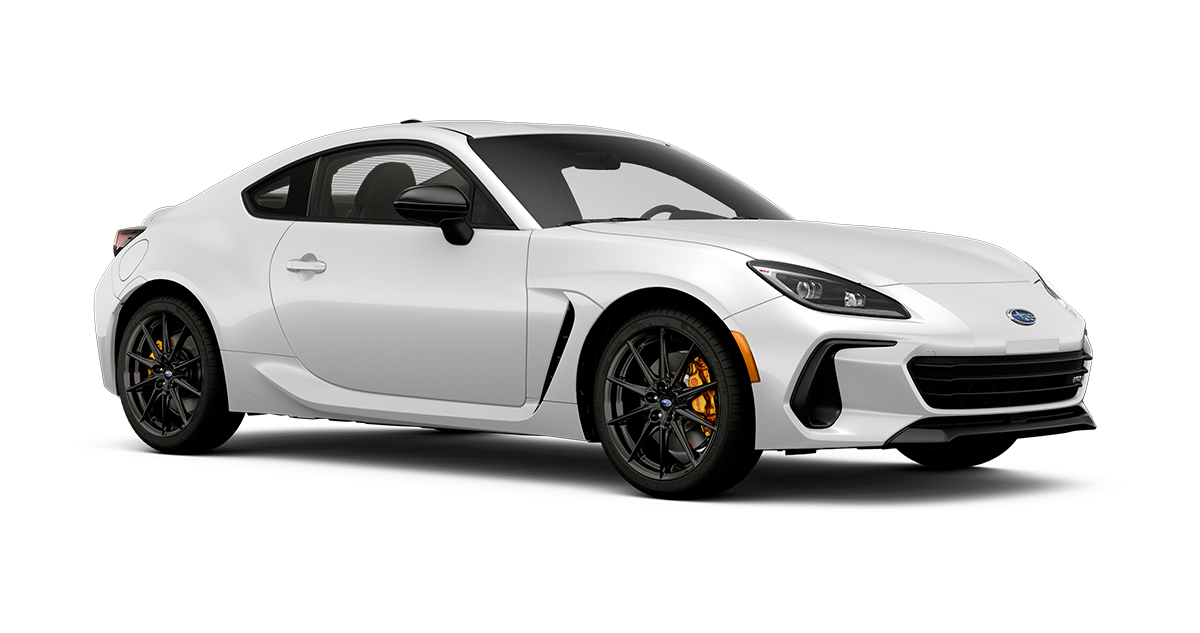
This car is simple. That’s the whole point of it.
The 2022–present Subaru BRZ runs a straight-up rear-wheel-drive layout. No AWD hardware. No transfer case. No extra nonsense hanging off the driveline. Engine, tranny, driveshaft, diff. Done.
And in the shop? That simplicity shows. Fewer moving parts means fewer things to break—but when something does go wrong, you’re usually not fixing it. You’re replacing it.
I’ve worked on enough of these now to say this clearly: there’s no widespread “this tranny grenades at 60k miles” situation. But there are a couple of things you need to understand before you assume it’s bulletproof.
The biggest one isn’t even mechanical. It’s software. And yeah, that’s where modern cars love to get stupid.
Which Transmissions It Uses
This generation is dead simple. Two options. That’s it. No hidden variants, no weird mid-cycle swaps.
| Transmission Code | Type | Gears | Drive Layout | Engine Pairing | Years | Notes |
|---|---|---|---|---|---|---|
| [NOT VERIFIED] | Manual | 6 | RWD | FA24D 2.4L | 2022–present | Fully synchronized 6-speed; OEM does not publish an official model code |
| [NOT VERIFIED] | Automatic (hydraulic planetary) | 6 | RWD | FA24D 2.4L | 2022–present | Electronically controlled with TCM; no official transmission code published by Subaru |
No verified alternative transmissions used.
That’s actually refreshing. No CVT garbage. No dual-clutch drama. Just a traditional manual and a conventional automatic.
Main Failure Patterns
Automatic Tranny – TCM Calibration Problem (TSB 16-138-22)
This is the only real “official” issue on the board.
2022 models. Automatic only. You get a P0613 code. Light comes on. Owner freaks out thinking the tranny is about to explode.
It’s not.
The TCM just gets confused. Misreads gear ratios. Throws a fit.
I’ve seen this before across multiple brands—bad logic, not bad hardware. Subaru acknowledged it and pushed out TSB 16-138-22. Reflash the module, problem goes away.
No teardown. No parts. No drama.
Failure type: software issue
What it feels like: warning lights, maybe odd shifting behavior
What it is: calibration problem
Annoying? Yeah. Dangerous? No.
Manual Transmission – When It Fails, It Fails Expensively
Here’s where reality kicks in.
The manual itself isn’t known for blowing up left and right. That’s good. But when something inside goes bad—synchros, bearings, whatever—you’re not rebuilding it the way you would an old-school gearbox.
OEM doesn’t give you real internal repair procedures.
So what happens in real shops?
- Customer complains about grinding
- We confirm internal wear
- Quote gets written for a full replacement unit
That’s it. No halfway fix. No cheap rebuild unless you go fully aftermarket.
Service Bay Benchmark:
- Manual transmission internal failures = replacement, not repair
And yeah… customers don’t love that conversation.
Rear Differential – Tough, But Not Maintenance-Free
The BRZ runs a limited-slip diff. Mechanically solid. No recall issues. No official failure trend.
But I’ll say this—fluid matters more than people think.
Field Observation:
- Old fluid = noise
- Wrong fluid = chatter
- Neglected fluid = wear you can’t undo
I’ve seen diffs start whining early just because nobody bothered to change the oil. It’s not a design flaw. It’s neglect.
Axles and Driveshaft – Basic Stuff, Still Important
Nothing exotic here.
- Rear axle shafts with CV joints
- Propeller shaft (driveshaft)
No recalls. No TSB clusters. No big red flags.
But here’s the catch most owners miss:
CV boots.
They tear. Dirt gets in. Grease gets out. Game over.
And Subaru is very clear about this—boot failure leading to joint damage is not covered.
So that “small crack” turns into a full axle job pretty quick.
Typical Repair Costs
This is where the platform bites back. Not often—but when it does, it’s not cheap.
| Component | Failure Type | Typical Repair | Cost (USD) |
|---|---|---|---|
| TCM (automatic) | P0613 calibration issue | Reflash | $0–$200 (Service Bay Benchmark) |
| Manual transmission | Internal damage | Full replacement | $3,500–$6,000 (Industry Estimate) |
| Automatic transmission | Internal damage | Full replacement | $4,000–$7,000 (Industry Estimate) |
| Rear differential | Noise / wear | Fluid service or replace | $150–$2,000 (Industry Estimate) |
| Axle / CV joint | Boot failure → contamination | Replace axle | $400–$900 per side (Industry Estimate) |
| Driveshaft | Vibration | Replace shaft | $600–$1,200 (Industry Estimate) |
The pattern here is obvious. You’re not fixing components. You’re swapping assemblies.
Best and Worst Years
This isn’t one of those platforms where you need a spreadsheet to avoid a bad build.
| Year | Transmission Risk | Notes |
|---|---|---|
| 2022 | Medium | Automatic TCM calibration issue (TSB 16-138-22) |
| 2023 | Low | No transmission-related TSB patterns |
| 2024–present | Low | No documented transmission defect trends |
That’s it. No hidden disaster year. No “avoid this VIN range at all costs” situation.
Warning Signs & Early Detection
This platform doesn’t hide problems well. When something starts going wrong, it usually gives you clues.
- Check Engine Light tied to transmission codes
- Weird shifting behavior (automatic)
- Grinding when engaging gears (manual)
- Whine from the rear
- Clicking under load (CV joints starting to go)
In my experience, a quick scan tool check tells you more than a 20-minute test drive. Codes don’t lie. Drivers do.
And if you see fluid that looks burnt or full of shavings? Walk away. Simple as that.
When to Walk Away
Some problems aren’t worth negotiating.
- Active transmission codes that haven’t been fixed
- Manual gearbox grinding in multiple gears
- Evidence of abuse with zero maintenance records
- Visible CV boot damage with grease everywhere
If the tranny is already showing internal wear, you’re not buying a cheap sports car anymore—you’re buying a repair bill.
Ownership Reality
This is where expectations and reality split. Hard.
| Category | OEM Guidance | Real-World Outcome | Consequence |
|---|---|---|---|
| Transmission service | No internal repair procedures | Replacement required for internal issues (Service Bay Benchmark) | High repair cost |
| Software updates | Applied per TSB | Necessary to fix TCM faults | Prevents repeat warning lights |
| Powertrain warranty | 5yr / 60,000 miles (96,000 km) | Covers failures within limits | Out-of-warranty = expensive |
| Axle/CV coverage | Boot damage excluded | Boot failure leads to denied claims | Owner pays for axle |
Here’s the truth.
This drivetrain is simple—but it’s not forgiving. Skip maintenance, ignore small issues, and it will cost you.
Lawsuits, Complaints & Regulatory History
No lawsuits tied to the transmission or driveline. Nothing major in NHTSA data either.
No recalls. No investigation clusters. No pattern of units lunching gears across the country.
The only thing on record:
- TSB 16-138-22 – TCM calibration issue (P0613)
That’s it.
And honestly? That lines up with what I’ve seen in the field. These don’t come in on tow trucks with blown trannies. They come in for maintenance—or small issues that got ignored too long.
Bottom Line
Simple drivetrain. Low failure rate. Expensive when it breaks.
No major defects. No ticking time bomb hiding in the gearbox. Just a modern reality—when something internal fails, you replace the whole thing.
If you maintain it, keep fluids fresh, and don’t drive it like you’re trying to grenade it every weekend, it holds up well.
If you don’t?
It’ll remind you. And it won’t be cheap.