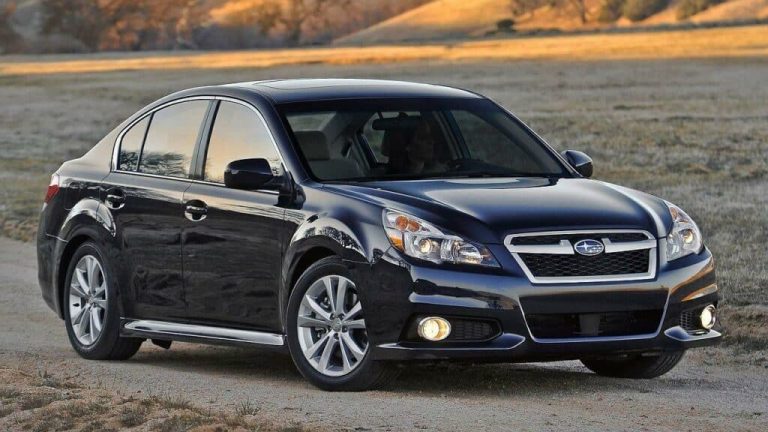
Subaru Forester gen 3 2009–2013 CVT Transmission: Common Issues and Expert Verdict
Overview
This one needs to be said right up front. Most 2009–2013 Foresters you’ll see in the U.S. don’t even have a CVT. They’re running older automatics. But… in certain markets, late-cycle builds got Subaru’s Lineartronic setup — TR580 or TR690 — and that’s what we’re talking about here.
I’ve worked on these. Not a ton, but enough to see patterns. And this drivetrain? It’s picky. Real picky. Fluid, tires, heat, all of it matters more than most owners expect.
It’s not a weak design in the traditional sense. It doesn’t just explode for no reason. But ignore maintenance, run mismatched tires, let a leak go too long… and yeah, this thing will absolutely punish you.
Which Transmissions It Uses
| Transmission Code | Type | Drive Layout | Engine Pairing | Years Used | Notes |
|---|---|---|---|---|---|
| TR580 | CVT | AWD | H4 (non-turbo) | 2011–2013 [non-U.S. markets] | Lineartronic CVT with integrated front differential and transfer clutch |
| TR690 | CVT | AWD | H4 (higher load applications) | 2011–2013 [non-U.S. markets] | Heavier-duty version of the same system |
That’s it. No other CVTs confirmed for this generation. If someone tells you otherwise, they’re guessing.
Main Failure Patterns
Transfer Clutch Problems (AWD Binding)
This is the big one. The one I see first.
You pull into a parking lot. Turn the wheel. And the car kind of… fights you. Feels like the brakes are dragging. Sometimes it chatters, sometimes it just feels tight and wrong.
That’s the transfer clutch inside the CVT starting to wear out.
Subaru designed it to constantly adjust torque front to rear. Sounds great. Until the tires aren’t perfectly matched.
- Different brands front to rear
- Uneven wear
- One new tire slapped on
That’s all it takes. The system compensates nonstop, overheats the clutch pack, and slowly cooks itself.
In my experience, once the shudder starts, it doesn’t fix itself. People try fluid changes. Additives. Driving tricks. Waste of time. That clutch is already worn.
Service Bay Benchmark:
- 80,000–120,000 miles (≈130,000–190,000 km) if tire maintenance is sloppy
Fluid Leaks — Small Problem, Big Consequences
These CVTs don’t always dump fluid all over the ground. That would be too easy.
Instead, they seep. Slow. Annoying. Easy to ignore.
- Chain cover sealing area
- Input shaft seal
I’ve seen cars come in with just a damp case. Owner shrugs it off. “It’s not dripping.”
Give it time. That small leak turns into pressure loss, and pressure loss in a CVT is bad news. You’re messing with pulley clamping force, clutch apply pressure, everything.
Field Observation:
- These can run like this for a while… then suddenly start slipping or acting weird once fluid drops just enough
Hydraulic Pressure Weirdness
This is where things get confusing for people.
No grinding. No loud bang. Just… odd behavior.
- Delayed response
- Warning lights
- Feels off under load
A lot of times, it comes down to fluid condition. Old fluid, wrong fluid, or aerated fluid.
These transmissions hate air in the system. Even a little bit. The control valve starts making bad decisions because the pressure readings aren’t stable.
Industry Estimate:
- Problems start showing up once fluid is ignored past 60,000–90,000 miles (≈96,000–145,000 km)
And yeah, I know what Subaru says about service intervals. I’ve seen the results of following that advice. Not great.

Secondary Driveline Wear
Here’s where it snowballs.
When the transfer clutch starts acting up, it doesn’t stay contained. The whole driveline starts taking a hit.
- Rear driveshaft splines wear
- Vibration under load
- Uneven torque delivery
You fix the CVT, but now you’ve got other parts already worn. That’s when the repair bill starts stacking up fast.
Field Observation:
- This only shows up after people ignore the early signs for a long time
Typical Repair Costs
| Repair Type | Typical Cost (USD) | Notes |
|---|---|---|
| CVT fluid service | $250 – $450 | Correct fluid only — no shortcuts |
| Transfer clutch repair | $1,200 – $2,500 | Tranny has to come out |
| CVT reseal | $1,000 – $2,000 | Labor-heavy job |
| Valve body replacement | $1,500 – $2,800 | Often misdiagnosed first |
| Full CVT replacement | $4,500 – $7,500 | This is where things get ugly |
| Driveline repairs | $800 – $2,000 | Only if damage spreads |
Quick reality check. Once you’re in full replacement territory, most owners don’t expect that bill. It hits hard.
Best and Worst Years
| Model Year | CVT Availability | Risk Level | Notes |
|---|---|---|---|
| 2009–2010 | No CVT | Not Applicable | Different transmission entirely |
| 2011 | Introduced (non-U.S.) | Projected Rating: Medium | Early rollout |
| 2012 | Limited | Projected Rating: Medium | Same basic hardware |
| 2013 | Late-cycle | Projected Rating: Medium | Still early CVT design |
There isn’t a clear “safe year” here. It’s more about how the car was maintained than the badge on the trunk.
Warning Signs & Early Detection
| Symptom | Indication | Urgency |
|---|---|---|
| Shudder in turns | Transfer clutch wear | High |
| Fluid seepage | Seal failure | High |
| Warning lights | Pressure issue | High |
| Weird acceleration feel | Fluid or control issue | Medium |
| Vibration | Driveline wear | High |
If I’m checking one of these, first thing I do — tight turns in a parking lot. That tells you a lot in 10 seconds.
When to Walk Away
Some cars just aren’t worth the gamble.
- Visible CVT leaks
- Mismatched tires
- Shudder during turns
- No service history
- Recurring warning lights
You stack two or three of those together, and you’re staring at a ticking time bomb.
Ownership Reality
| Category | OEM Guidance | Real-World Outcome | Consequence |
|---|---|---|---|
| Fluid Service | Extended interval | Fluid breaks down sooner | Internal wear |
| Tires | Standard AWD advice | Needs near-perfect match | Clutch damage |
| Leaks | Check during service | Often ignored | Pressure loss |
| Diagnostics | Basic scan | Needs deeper analysis | Wrong repairs |
| Warranty | Limited coverage | Failures come later | Big bills |
I’ll say it straight. The “lifetime fluid” idea? Doesn’t hold up in real life. Not on these.
Lawsuits, Complaints & Regulatory History
No confirmed U.S. recalls tied directly to CVT units in this generation.
There are service bulletins covering:
- Fluid leaks
- Pressure-related behavior
- Transfer clutch operation
Later Foresters did get warranty extensions for CVT issues. Same family of transmissions. That tells you something about how these systems evolved.
If you’re checking one:
- Look for service records
- Verify any transmission work
- Check behavior, not just codes
Bottom Line
This isn’t a junk transmission. But it’s not forgiving either.
Treat it right, it can go a long time. Ignore it, and it’ll empty your wallet fast.
- Fluid matters
- Tires matter
- Early symptoms matter
Service Bay Benchmark:
- Well-maintained units can go past 150,000 miles (≈240,000 km)
- Neglected ones fall off much earlier
If you’re buying one, don’t guess. Check it properly. These don’t give second chances once they start going downhill.