
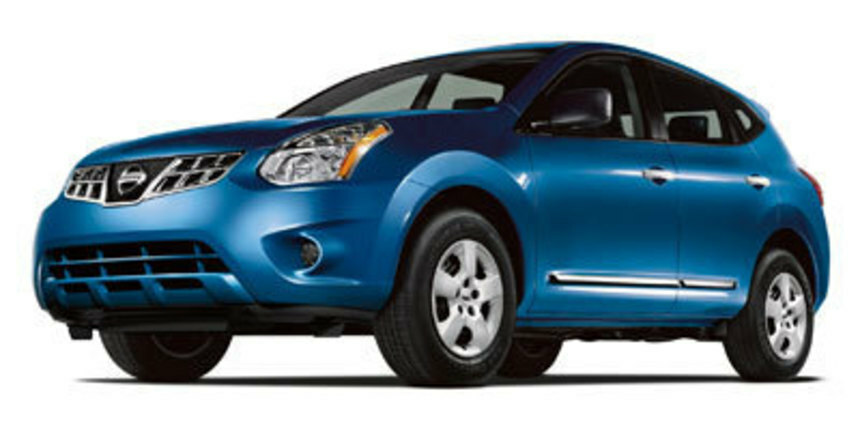
Is the Nissan Rogue gen 1 2008–2013 CVT Transmission a Reliability Risk?
Overview
The 2008–2013 Nissan Rogue. First generation. Chassis code S35. One engine. One tranny. No options. No backup plan.
Every single U.S.-market Rogue from those years runs the same CVT — the RE0F10A, Jatco’s JF011E unit. Front-wheel drive or AWD, doesn’t matter. Same hardware. Same strengths. Same weak spots.
I’ve had dozens of these in my bay. Some with 60,000 miles (97,000 km), some limping past 180,000 (290,000 km). The pattern is consistent. Heat beats them up. Fluid neglect finishes the job.
Nissan knew there was a problem early on. They issued a CVT warranty extension covering many 2008–2010 models out to 10 years or 120,000 miles (193,000 km), whichever came first. That covered the transmission assembly and towing. You had to check by VIN through a dealer. Some customers got lucky. Others rolled in at 123,000 miles and missed it by a whisper.
There were also Technical Service Bulletins. NTB12-057 addressed reduced performance caused by CVT fluid temperature protection logic — basically the computer stepping in when temps got too high. NTB14-002 added an auxiliary cooler kit for 2008–2012 models that didn’t have the tow package. And NTB10-029 (revision series) dealt with rear differential binding in AWD models.
No federal recall on the transmission itself. Just bulletins. And a warranty extension that quietly expired for most owners years ago.
Which Transmissions It Uses
One transmission. That’s it. No verified alternative transmissions used.
RE0F10A (Jatco JF011E)
- Transmission Code: RE0F10A
- Manufacturer Code: JF011E
- Type: Steel push-belt CVT
- Drive Layout: FWD and electronically controlled AWD
- Engine Pairing: 2.5L QR25DE
- Production Years in Rogue: 2008–2013
This is a chain-style steel belt running between variable-diameter pulleys. Hydraulic pressure squeezes the pulleys. Change the pulley width, you change the ratio. Simple in theory. Sensitive in practice.
Industry Estimate torque capacity sits around 180–200 lb-ft (244–271 Nm). The QR25DE engine makes about 175 lb-ft (237 Nm). That’s tight. Real tight. There isn’t a big safety cushion. Load it hard. Heat it up. Things start wearing faster than they should.
AWD models add a transfer assembly feeding an electronically controlled rear coupling. More parts. More heat. More things to complain about.
Main Failure Patterns
Heat. Always Heat.
The biggest issue on this platform is thermal overload. Long highway runs at 70 mph (113 km/h), outside temps above 95°F (35°C), climbing extended grades — the fluid temperature climbs. When it crosses calibration limits, the control module steps in and limits ratio range.
Driver feels it as reduced power. Won’t rev past around 3,000 RPM. Can’t hold speed uphill. Pull over, let it cool, and it drives “fine” again. Until next time.
NTB12-057 pointed out factors like incorrect fluid level, wrong fluid type (NS-2 only for this generation), and coolant mixture over 60% ethylene glycol reducing heat exchanger efficiency. NTB14-002 introduced a cooler kit for certain models without the tow package. That cooler wasn’t a luxury. It was survival gear.
I’ve seen vehicles come in three summers in a row with the same complaint. No cooler. Same highway commute. Same result.
Internal Wear and Ratio Slip
Once the fluid cooks repeatedly, wear accelerates. The steel belt rides on pulley faces. Those faces get scored. Microscopic at first. Then visible. Then ugly.
Symptoms usually follow this order:
- Light shudder on takeoff
- RPM flare without speed increase
- Judder between 20–40 mph (32–64 km/h)
- Ratio or pressure codes stored
By the time you see metallic shavings in the pan, the tranny is already halfway to being a core. You don’t “fix” that. You replace it.
Fluid Myth vs Reality
Early maintenance schedules didn’t push aggressive fluid changes. Some owners heard “lifetime fluid” from sales staff. That’s optimistic. Service Bay Benchmark says fluid discoloration and suspended metal show up by 60,000–80,000 miles (97,000–129,000 km) in U.S. driving.
I tell people 40,000–50,000 miles (64,000–80,000 km). Drain and fill. Not a flush. Just clean fluid. Five to six quarts (4.7–5.7 Liters) per service. Keep it fresh.
Ignore it, and the belt doesn’t forgive you.
Rear AWD Coupling Binding
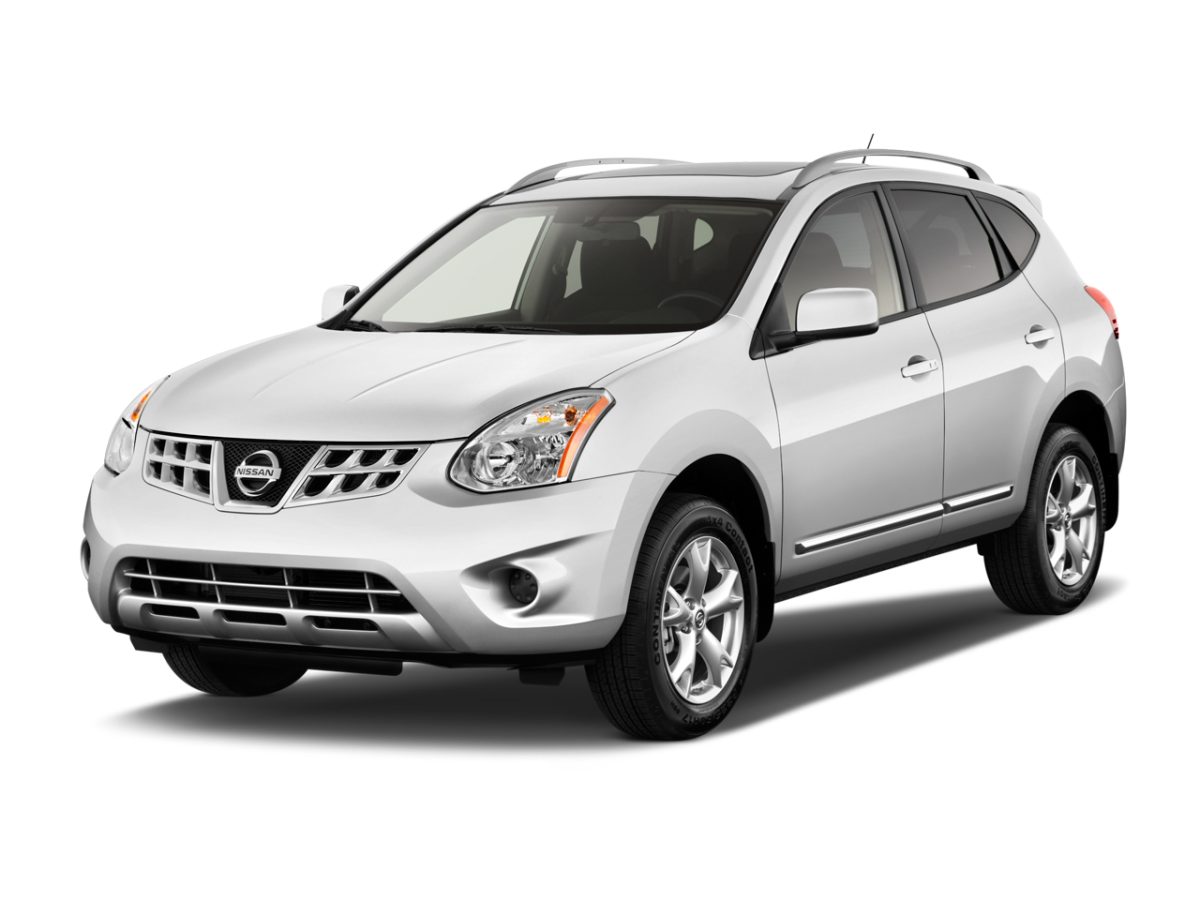
AWD models get their own drama. NTB10-029 covers abnormal vibration or binding during tight turns under 40 mph (64 km/h). Feels like the rear diff is locking up.
Half the time it’s tire mismatch. Different brand, different wear, different rolling circumference. The system fights itself. The other half? The rear coupling is worn.
I’ve seen customers replace a rear coupling when the real problem was cheap tires slapped on two at a time.
Typical Repair Costs
This is where people flinch.
| Repair Type | Parts (USD) | Labor (USD) | Total (USD) | Source Basis |
| OEM Reman CVT Replacement | $4,000–$5,000 | $1,500–$2,000 | $5,500–$7,000 | Industry Estimate |
| Used Salvage CVT Install | $1,200–$2,000 | $1,500–$2,000 | $2,700–$4,000 | Industry Estimate |
| Auxiliary Cooler Kit Install | $250–$400 | $300–$700 | $550–$1,100 | Service Bay Benchmark |
| Rear AWD Coupling Replacement | $900–$1,400 | $600–$1,000 | $1,500–$2,400 | Industry Estimate |
| CVT Fluid Drain & Fill | $120–$200 | $150–$300 | $270–$500 | Service Bay Benchmark |
Rebuilding one of these in-house? Rare. Parts availability is thin. Labor stacks up fast. By the time you’re done pricing bearings, belt, pulleys, seals — you’re near reman cost anyway.
Best and Worst Years
| Model Year | Warranty Extension Eligible | Primary Complaint Cluster | Overall Drivetrain Risk |
| 2008 | Yes | Thermal reduction events | High |
| 2009 | Yes | Overheating and wear | High |
| 2010 | Yes | Fail-safe activation | Medium–High |
| 2011 | No | Loss of acceleration | High |
| 2012 | No | Heat-related limitation | Medium |
| 2013 | No | High-mileage wear | Medium–High |
There wasn’t a mechanical redesign mid-generation. Calibration tweaks, service guidance updates, cooler kit availability. Same bones underneath.
Warning Signs & Early Detection
Here’s what I look for on a test drive:
- RPM climbs but speed doesn’t
- Shudder under light throttle
- Reduced power after 30–60 minutes of highway driving
- Delayed engagement from Park to Drive
- AWD vibration during tight turns
Scan tool is mandatory. You want to see stored ratio or pressure codes, even history codes. I monitor fluid temperature during a long road test. If it spikes fast, cooling capacity is weak.
Drop the fluid. Look at it. If it’s dark gray with metallic shimmer, that’s belt material and pulley face coming apart. That’s not normal wear. That’s the beginning of the end.
When to Walk Away
- No fluid service history past 80,000 miles (129,000 km)
- Documented repeat overheating events
- Noticeable acceleration flare
- AWD binding plus rear noise
- Transmission already replaced once before 100,000 miles (160,000 km)
If it’s already had one replacement and the owner drives 80 miles a day at highway speed in 100°F heat, you’re buying a ticking time bomb.
Ownership Reality
| OEM Guidance | Observed Field Outcome | Cost Consequence |
| Warranty extension to 120,000 miles | Failures often just beyond coverage | $5,500–$7,000 out-of-pocket |
| No mandatory cooler on base trims | Heat-related power loss common in hot climates | $550–$1,100 retrofit or full replacement |
| Fluid service not emphasized early on | Fluid degradation by 60k–80k miles | Accelerated internal wear |
| Minimal AWD service instruction | Tire mismatch damages coupling | $1,500–$2,400 repair |
In my experience, owners who service fluid every 40,000–50,000 miles and install a cooler in hot states stretch these units much further. Skip it, and you’re gambling.
Lawsuits, Complaints & Regulatory History
NHTSA complaint data clusters around loss of acceleration, hesitation, and reduced highway power. That aligns with what we see in the shop. No federal recall specifically targeted the internal CVT components on this generation.
The warranty extension was the major manufacturer response. Broader Nissan CVT lawsuits have involved similar Jatco units across multiple models, though this specific Rogue generation did not receive a dedicated federal recall for internal failure.
Bottom Line
This drivetrain lives and dies by heat management and fluid condition.
In moderate climates, maintained well, I’ve seen them reach 150,000 miles (241,000 km) and beyond. In hot states, daily interstate commuters, heavy loads — lifespan drops fast.
It’s not junk. It’s just sensitive. Treat it right and it behaves. Ignore it and it grenades your budget.


