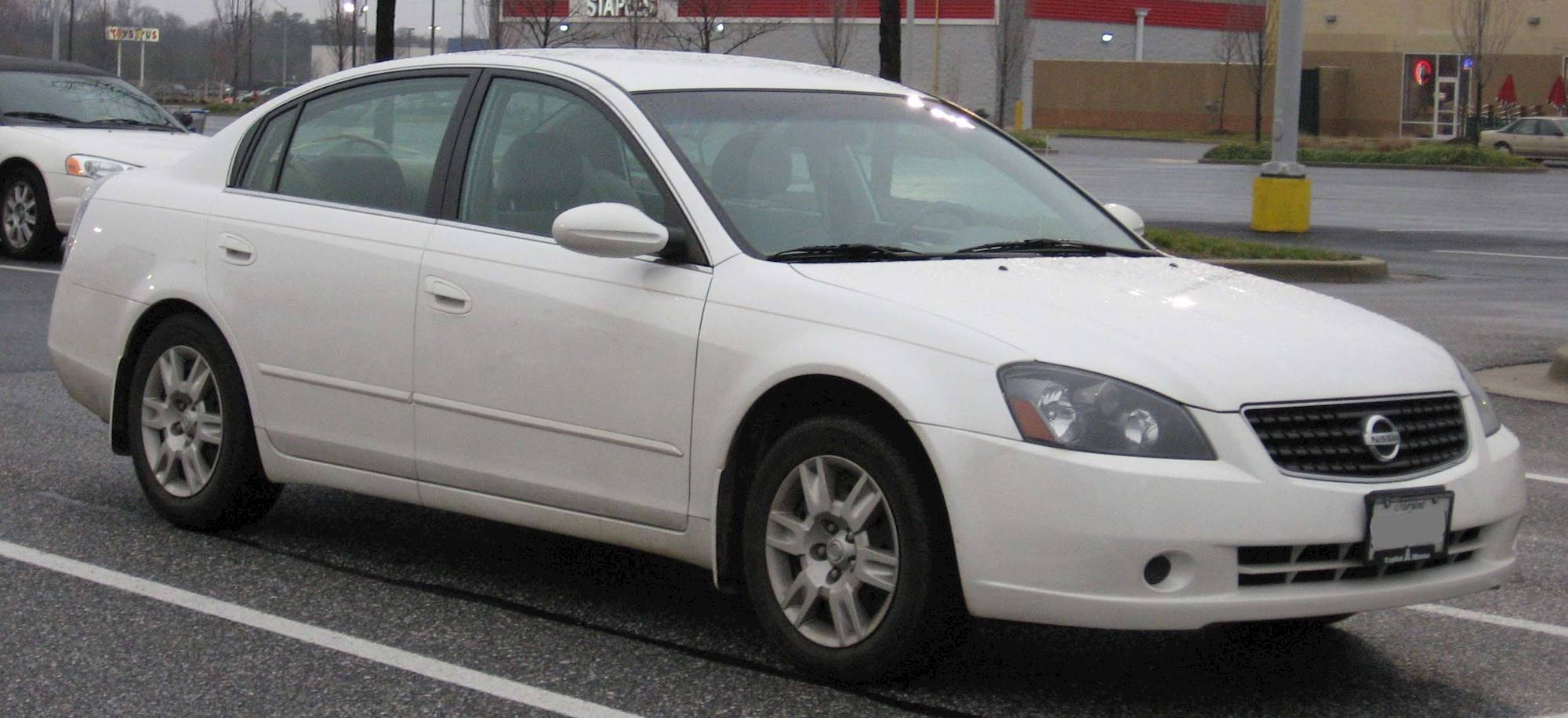
How the Nissan Altima gen 3 2002–2006 Transmission Actually Fails
Overview
The 2002–2006 Nissan Altima. L31 chassis. Before the CVT era. Before the lawsuits. Before the internet decided every Nissan transmission was a ticking time bomb.
This generation runs conventional hydraulic automatics and cable-shift manuals. Real gears. Real clutch packs. No rubber-band CVT nonsense. From a drivetrain standpoint, it’s old-school, and I mean that in a good way.
But it’s not perfect. Nothing is.
The only factory-documented transmission issue that rises above normal wear is Nissan Technical Service Bulletin NTB03-004 (AT02-010). It applies to certain 2002–2003 automatic cars. And no, it’s not internal tranny failure. It’s the shifter assembly inside the cabin.
The sliding plate in the A/T indicator assembly can deform. Bend. Bind. Then the driver fights the shifter like it owes them money.
I’ve seen this more than once. Customer says, “It won’t come out of Park.” They think the transmission is dying. It’s not. It’s the shifter hardware. Replace the plate, apply threadlocker like the bulletin says, problem gone.
No federal recall for internal transmission destruction on this generation. No mass gearbox grenading pattern. That matters.
Most failures I see on these cars are boring. Wear. Heat. Neglect. The usual American driving cycle: traffic, short trips, never changing fluid.
Which Transmissions It Uses
Let’s get specific. No vague “automatic transmission” talk.
- RE4F04B — 4-speed automatic, FWD, paired with QR25DE 2.5L inline-4, 2002–2006
- RE5F22A — 5-speed automatic, FWD, paired with VQ35DE 3.5L V6, 2002–2006
- RS5F51A — 5-speed manual, FWD, paired with QR25DE 2.5L inline-4, 2002–2006
- RS6F51H — 6-speed manual, FWD, paired with VQ35DE 3.5L V6 (SE-R), 2005–2006
All transverse. All front-wheel drive. Integrated differential. No AWD. No transfer case. No PTU nightmares hiding underneath.
I’ve torn down RE4F04B units with 180,000 miles (289,000 km) that still had usable clutch material. I’ve also seen them destroyed at 130,000 miles (209,000 km) because nobody ever touched the fluid. Same design. Different owners.
Main Failure Patterns
Shifter Binding — NTB03-004
This one’s mechanical. Inside the cabin.
The sliding plate in the automatic shifter deforms. Then the shift lever gets stiff. Sometimes it sticks between positions. Customers panic. They assume the tranny is lunching gears.
It isn’t.
It’s a cheap stamped part inside the shift assembly. Replace it per the bulletin. Done.
I rarely see repeat failures after proper repair. This is not an internal gearbox defect.
Manual Clutch Hydraulic Failures
Now we get into what actually strands people.
On RS5F51A and RS6F51H manuals, the weak link isn’t the gears. It’s the hydraulics.
Clutch pedal drops lower over time. Engagement point sinks. Then one morning the pedal goes to the floor and stays there. You can’t get it into gear without grinding like you’re chewing rocks.
I’ve seen dozens of these.
Failure mode is predictable:
- Master cylinder internal seal bypass
- Slave cylinder leakage
Service Bay Benchmark: 80,000–140,000 miles (129,000–225,000 km).
The gearbox itself? Usually fine. I don’t see these manuals lunching gears unless someone was abusive or ran them dry.
Ignore the hydraulic failure long enough and you’ll cook the clutch disc. That’s when the bill jumps from a few hundred dollars to four figures.
Automatic Wear — RE4F04B and RE5F22A
These are traditional hydraulic automatics. Planetaries. Clutch packs. Valve bodies. Torque converters.
They don’t explode randomly. They wear.
What I see at high mileage:
- Delayed engagement into Drive
- 2–3 shift gets harsh when hot
- Converter shudder under light throttle
Fluid heat is the enemy. Once ATF regularly sees 200°F (93°C) and above in traffic, oxidation ramps up. Fluid gets dark. Friction modifiers break down. Clutch packs start shedding material. You’ll see fine shavings in the pan.
Field Observation: Units pushed past 140,000–160,000 miles (225,000–257,000 km) without consistent fluid service are the ones that come back on a tow truck.
Nissan specified Matic D fluid for these trannies. Skip fluid changes long enough and you’re just stacking wear.

Axle Output Seal Leaks
Simple. Age and heat.
The axle seals at the differential outputs harden. They seep. Owners ignore it because it’s “just a drip.”
Service Bay Benchmark: 100,000+ miles (161,000+ km).
Let it leak long enough and fluid level drops. Then you’re not dealing with a $300 repair anymore. You’re accelerating internal wear on a transmission that was otherwise healthy.
CV Axle Wear
This isn’t a design flaw. It’s front-wheel drive reality.
Boot tears. Grease flings everywhere. Outer joint starts clicking on turns.
Typical window: 90,000–130,000 miles (145,000–209,000 km).
I replace a lot of these. It’s normal. It’s not a sign the car is garbage.
Typical Repair Costs
Let’s talk money. Because that’s what people care about once the car won’t move.
| Repair Type | Parts (USD) | Labor (USD) | Total (USD) | Context |
| Clutch Replacement (Manual) | $600–$900 | $700–$1,000 | $1,300–$1,900 | Industry Estimate, full kit |
| Clutch Master Cylinder | $75–$160 | $120–$220 | $195–$380 | Service Bay Benchmark |
| Axle Output Seal Replacement | $40–$80 | $220–$350 | $260–$430 | Industry Estimate |
| CV Axle Replacement (Per Side) | $120–$250 | $150–$300 | $270–$550 | Industry Estimate |
| Automatic Transmission Rebuild | $1,800–$2,800 | $1,200–$1,800 | $3,000–$4,600 | Service Bay Benchmark, full rebuild |
A full reman automatic installed usually lands north of $3,500–$4,500 USD. Depends on region. Labor rates aren’t getting cheaper in 2026.
I’ve seen people try band-aid fixes. Additives. “Miracle” friction modifiers. If clutches are worn, they’re worn. No bottle fixes that.
Best and Worst Years
| Model Year | Configuration | Primary Transmission | Observed Pattern | Overall Risk |
| 2002 | 2.5L FWD | RE4F04B | Shift mechanism bulletin exposure | Medium |
| 2003 | All FWD | RE4F04B / RE5F22A | Shifter bulletin exposure | Medium |
| 2004 | All FWD | RE4F04B / RE5F22A | Normal wear patterns | Low–Medium |
| 2005 | V6 SE-R | RS6F51H | Manual hydraulic wear | Medium |
| 2006 | All FWD | All units | Age-related seal and fluid wear | Low–Medium |
There isn’t a “run away screaming” year here. Mileage and maintenance matter more than build year.
Warning Signs & Early Detection
Automatic cars:
- Hesitation before engagement
- Harsh shifts once hot
- Burnt ATF smell
- Fluid wetness at axle seals
Manual cars:
- Clutch grabs near the floor
- Reverse grinds
- Clutch fluid dropping
If you’re inspecting one to buy, scan it. Check fluid color. Drive it until it’s fully warm. A cold test drive tells you nothing.
When to Walk Away
If the automatic slips under moderate throttle, and the fluid is black, you’re staring at a rebuild.
If engagement into Drive takes more than two seconds. Walk.
If the manual clutch slips in third gear under load, budget for a clutch immediately.
These aren’t subtle clues. They’re loud warnings.
Ownership Reality
Factory recommendations and real life are rarely aligned.
| OEM Position | What I See in the Shop | Cost Impact |
| Extended ATF service acceptable | Fluid dark by 60k–80k miles | Accelerated clutch wear if ignored |
| No routine axle seal service | Seals seep past 100k miles | $260–$430 repair |
| Clutch hydraulics not listed as maintenance | Master/slave failures after 80k+ miles | $200–$1,900 depending on scope |
I tell owners to service automatic fluid every 60,000 miles (96,000 km). That interval keeps these units alive. Skip it, and you’re gambling.
I’ve seen well-maintained cars clear 200,000 miles (322,000 km) on original trannies. Same hardware. Different care.
Lawsuits, Complaints & Regulatory History
This generation avoids the CVT litigation mess that later Nissans fell into.
NHTSA complaint clustering centers around:
- Manual clutch hydraulic failures
- Shift mechanism binding covered by NTB03-004
No federal recall for internal transmission failure. No pattern of these automatics randomly grenading.
Bottom Line
The 2002–2006 Altima transmission lineup is conventional and generally durable.
The RE4F04B and RE5F22A aren’t ticking time bombs. They’re maintenance-sensitive. Big difference.
The manuals are strong inside, weak in hydraulics.
If you’re buying one, focus on fluid history and how it shifts when hot. Not internet horror stories.
Take care of it and it’ll treat you fine. Neglect it, and it’ll hand you a $4,000 lesson.