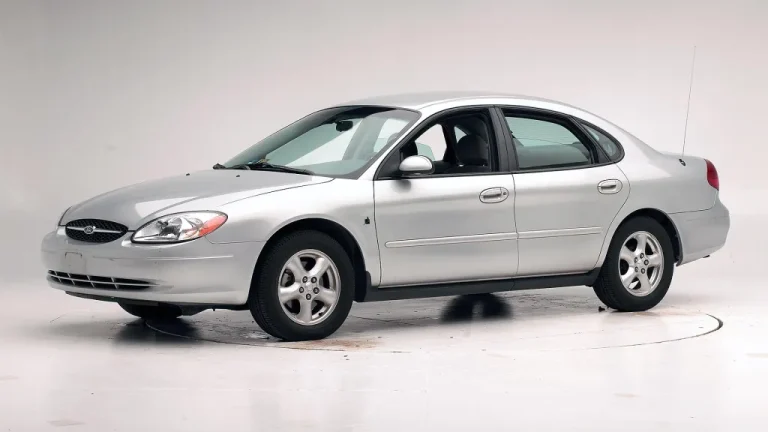
Transmission Issues, Recalls, and Complaints on the Ford Transit gen 1 2015–present
Overview
The 2015–present Ford Transit (U.S.-market full-size van) is a work tool. Period. These things live loaded, they idle all day, they get driven by three different people in one week, and they rack up Miles fast. So when people ask me “are the transmissions bad?” I don’t start with the Tranny. I start with the parts that actually get these vans in trouble: the driveline pieces that shake, crack, loosen, or run dry and then turn into a safety problem.
And yeah, there’s real regulatory history on this generation. Not “internet talk.” Official actions. If you ignore that stuff, you’re buying blind. If you’re already an owner, you’re gambling with downtime you didn’t budget for.
Here are the big ones that matter to transmission + driveline reliability and safety on this platform:
- Safety Recall 19V-767 / Ford 19S38 (2015–2017 Transit, Kansas City build dates January 17, 2014 through June 15, 2017): driveshaft flexible coupling can deteriorate and crack with increasing mileage. You get the moan, you get the vibration, you keep driving it like that, and the driveshaft can separate. Secondary damage to brake lines and fuel lines is listed as a possible outcome. The recall documents also call out driveline angle as part of the durability problem, and there was an interim repair strategy used before the final parts rollout for some vehicles.
- Safety Recall 15V-865 / Ford 15S37 (2015 Transit with dual rear wheels, limited build population): rear axle shafts may fracture from a manufacturing/material grain-flow issue. Outcome: loss of motive power, and the van can move in Park if the parking brake isn’t applied. That’s not “annoying.” That’s ugly.
- Safety Recall 21V-978 / Ford 21S54 (certain 2020 Transit AWD): bolts at the rear driveshaft-to-transfer case CV joint connection may loosen or become damaged. The driveshaft can separate from the transfer case. Ford spelled it out. That’s the risk.
- Safety Recall 24V-102 / Ford 24S05 (certain 2023–2024 Transit equipped with the 9.75 rear axle, Kansas City build dates May 05, 2023 through November 30, 2023): insufficient rear axle lubricant fill volume may lead to inadequate bearing lubrication, overheating, and bearing seizure. If it seizes, you can get rear wheel lock-up and possible driveshaft separation. That’s straight from the official description.
- Safety Recall 24V-805 (certain 2023–2024 Transit vehicles previously repaired under 24V-102 / 24S05): incorrect rear axle shaft bolts may have been used during the earlier recall repair. The official risk includes rear wheel lock-up or wheel separation from the axle. This is the kind of “fix the fix” thing that makes owners lose faith. I get it.
- Customer Satisfaction Program (CSP) 24B39 (certain 2020–2024 Transit AWD): AWD module software update intended to reduce the risk of transfer case thrust bearing damage under repeated high-torque launches, which can lead to metal debris and internal transfer case damage over time.
VIN verification method: use the NHTSA VIN recall lookup for open safety recalls, and confirm completion through Ford’s OASIS history at a dealer. On this platform, “yeah the seller said it was done” doesn’t pay the tow bill.
Which Transmissions It Uses
In the U.S.-market 2015–present full-size Transit, the factory transmission lineup is simple. Two units. No weird alternatives hiding in the weeds.
6R80
- Official model code: 6R80
- Gear count: 6-speed
- Drive layout: RWD
- Engine pairing (U.S. Transit applications): 3.7L Ti-VCT V6; 3.5L EcoBoost V6; 3.2L Power Stroke I5 diesel (early model years)
- Production years within this platform: 2015–2019
- No verified alternative transmissions used for these years in the U.S.-market full-size Transit
10R80
- Official model code: 10R80
- Gear count: 10-speed
- Drive layout: RWD and AWD
- Engine pairing (U.S. Transit applications): 3.5L gas V6 (varies by year/trim); AWD uses the same transmission family paired to an AWD transfer case
- Production years within this platform: 2020–present
- No verified alternative transmissions used for these years in the U.S.-market full-size Transit
No CVT. No DCT. No manual. If someone tells you their U.S. full-size Transit “came with the manual,” they’re mixing it up with something else, or they’re selling you a story.
Main Failure Patterns
Driveshaft flexible coupling deterioration and separation risk (2015–2017, RWD; Recall 19V-767 / 19S38)
This one? I’ve seen a lot of them. A lot. The flexible coupling between the transmission and driveshaft deteriorates and cracks with increasing mileage. It starts out as a noise complaint, then it turns into a vibration complaint, then it turns into a “please don’t drive it here” complaint.
Ford’s official language calls out an overt moaning noise from underneath the vehicle and tactile vibration. That’s dead-on. It’s the kind of noise you feel in the floor. You can chase tires, you can chase wheel bearings, you can waste a Saturday. Then you put it on a lift, look at the coupling, and it’s split like a cheap rubber donut that lived too hard.
If the vehicle keeps getting driven with a cracked coupling, the driveline can separate. Loss of motive power. And the official recall material even calls out possible damage to brake and fuel lines. That’s not a “limp it home” moment.
What I check in the bay
- Road test: coast-down moan + vibration you can feel through the seat and pedals.
- Lift inspection: visible cracking, tearing, rubber separation at the coupling.
- History check: recall completion status, and whether the van lived through the interim replacement approach before the final remedy parts were installed.
One more thing: this recall is VIN-specific and the official documentation spells out exclusions for certain configurations. Don’t assume. Don’t guess. Run the VIN.
Rear axle shaft fracture (2015 DRW; Recall 15V-865 / 15S37)
Short sentence. Big risk.
This applies to a limited population of 2015 dual rear wheel vans. The axle shafts may fracture due to a manufacturing/material grain-flow concern. Official consequences include loss of motive power and possible unintended movement in Park if the parking brake isn’t applied. I don’t care how “clean” the van looks, if it’s a 2015 DRW, I treat recall completion as mandatory documentation. No paper trail, no deal.
AWD rear driveshaft attachment bolts loosening (2020 AWD; Recall 21V-978 / 21S54)
When AWD showed up, we got more parts to fail. That’s life. Transfer case, extra joints, extra flanges, extra fasteners. The early AWD recall documents bolts that connect the rear driveshaft to the transfer case loosening or being damaged. If that interface lets go, you can get separation at the transfer case.
This isn’t “your Tranny is slipping.” This is driveline retention. And it’s the kind of thing that can go from a little clunk to a messy failure if it’s ignored.
What it looks like when it rolls in
- Customer says: vibration, thump, clunk, “feels like the rear end is hopping.”
- Shop reality: inspect the transfer case flange interface, look for movement, damage, witness marks, anything that says “this joint has been walking.”
- Step one always: confirm the recall is closed out for that VIN.
Rear axle bearing seizure from inadequate lubricant fill (2023–2024; Recall 24V-102 / 24S05)
This one is serious. And it’s newer, so people assume “it’s under warranty, whatever.” No. Rear axle bearing seizure is a bad day no matter whose name is on the bill.
The official recall describes insufficient rear axle lubricant fill volume from production on certain builds equipped with the 9.75 rear axle, with a risk of overheating and bearing seizure. It goes on: rear wheel lock-up and possible driveshaft separation. That’s as blunt as recalls get.
In my experience, the worst part is how this gets missed. Someone hears a faint axle growl, someone ignores it, someone keeps running the route, and then it turns into shavings in the oil and heat damage that doesn’t un-happen.
The key point buyers miss
The OEM procedure is not “top off the diff and call it good.” The process includes inspecting the differential fill plug magnet for metal debris and making repair decisions based on debris and symptoms. You want documentation the right steps were done. Not a band-aid fix slapped on because the shop was slammed.
Post-recall repair risk: incorrect rear axle shaft bolts (2023–2024 repaired vehicles; Recall 24V-805)
This is one of those ridiculous situations that makes everybody mad. A subset of vehicles repaired under 24S05 may have been fitted with incorrect rear axle shaft bolts during the recall repair. The follow-up recall exists because the consequence is high severity: rear wheel lock-up or wheel separation from the axle.
So no, I don’t treat “recall done” as the end of the story on 2023–2024 vans. If the VIN shows 24S05 completion, I also want to know if 24V-805 applies and if it’s completed. That’s not paranoia. That’s basic risk management.
AWD transfer case thrust bearing durability (2020–2024 AWD; CSP 24B39)
Here’s where field use matters. Stop-and-go delivery vans with repeated hard launches can beat up AWD components. CSP 24B39 addresses transfer case thrust bearing fatigue damage under repeated high-torque launches, which can lead to metal debris and internal damage over time. The remedy is an AWD module software update to change strategy and reduce that stress path.
In the shop, I’ve seen plenty of AWD transfer cases that look fine on the outside and tell a different story when you look at the fluid. Shavings. Glitter. You don’t want glitter in a transfer case. Ever.
10R80 shift concerns addressed by OEM service bulletins
Let’s talk Tranny feel. The 10R80 can show harsh engagement into Drive and related diagnostic trouble codes (including P0772 and P2704). OEM service bulletins exist for this. They focus on valve-body/main control issues and include adaptive routines and, if needed, hardware replacement.
In real service bays, the Transit duty cycle tends to show these as “driveability and engagement” problems more than hard-part failures. Still expensive. Still annoying. But it’s a different movie than a Tranny that’s lunching gears and leaving you stuck in third.
Typical Repair Costs
Alright, money. This is where owners get quiet. The numbers below are Service Bay Benchmarks for U.S. independent shops and fleet service providers. Real invoices swing with rust, access, how quickly the customer needs the van back, and whether collateral damage happened.
| Repair or Service | What It Typically Includes | Parts (USD) | Labor (USD) | Total (USD) | Notes |
|---|---|---|---|---|---|
| Driveshaft coupling repair (RWD) | Flexible coupling components, related hardware, inspection of adjacent driveline parts | $250–$600 | $300–$700 | $550–$1,300 | Higher if the vehicle needs additional driveline components per recall remedy configuration |
| Complete driveshaft service after severe coupling damage | Driveshaft assembly and related flanges/hardware as needed | $800–$1,800 | $400–$1,000 | $1,200–$2,800 | If secondary damage occurred (lines, brackets), cost can increase quickly |
| AWD rear driveshaft fastener/connection repair | OEM fastener kit replacement, inspection for damage, transfer case interface inspection | $80–$300 | $250–$650 | $330–$950 | Separation or flange damage can push this into driveline replacement territory |
| 10R80 valve body/main control service | Diagnostic time, adaptive routines, main control/valve body replacement when required | $600–$1,400 | $700–$1,600 | $1,300–$3,000 | Some cases resolve with OEM procedures; others require hardware replacement |
| Rear axle recall-related repair (24S05 scope) | Inspection, magnet debris evaluation, fluid correction; bearing work or axle assembly replacement when required | $50–$2,800 | $200–$1,800 | $250–$4,600 | Range reflects pass/inspect vs bearing/assembly replacement conditions |
| AWD transfer case replacement (severe internal damage) | Transfer case assembly, fluid service, calibration checks | $1,500–$3,200 | $1,000–$2,000 | $2,500–$5,200 | Cost rises with heavy corrosion, accessories, or packaging constraints |
Those ranges are big on purpose. A clean van in the South is one thing. A rusty fleet unit that’s lived in salt and has been “maintained” by wishful thinking? That’s when the bill gets stupid.
Best and Worst Years
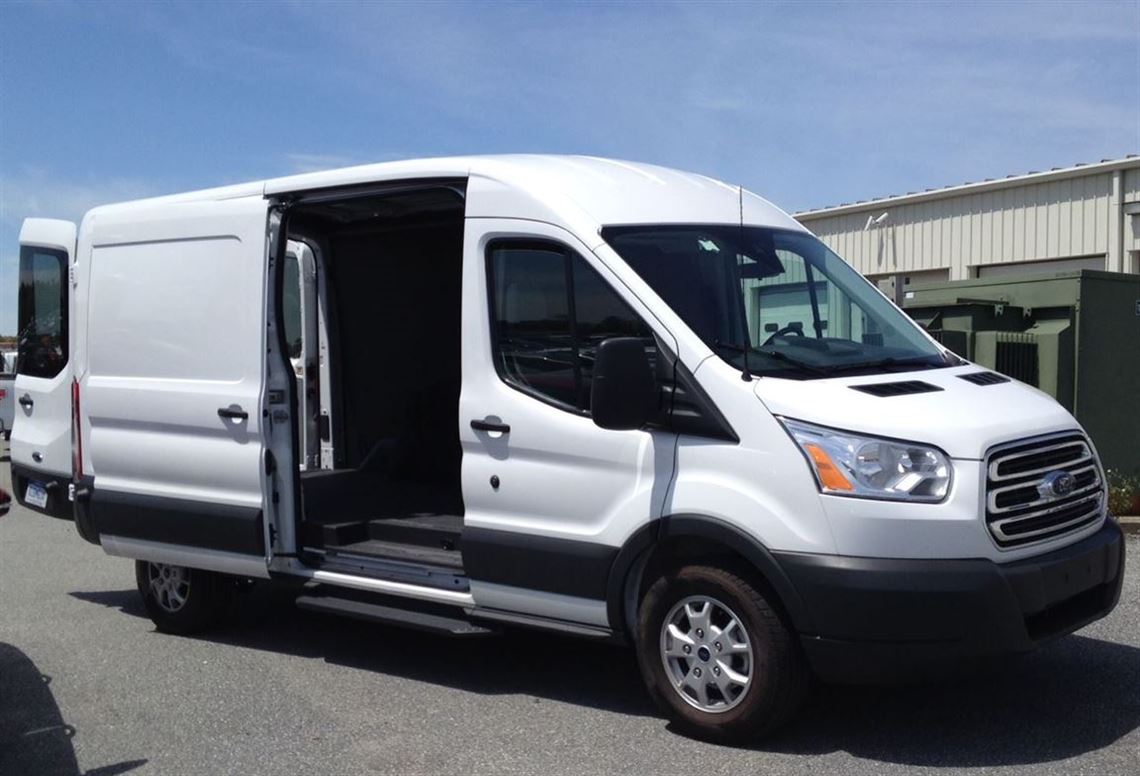
People want a magic answer: “Which year is safe?” That’s not how this platform works. The risk swings with drivetrain config and specific build windows tied to recalls and CSPs. Same year can be fine in RWD and a pain in AWD if the actions weren’t done.
| Model Year / Build Context | Transmission | Drivetrain | Highest-Impact Documented Exposure | Risk Level (Driveline-Focused) | What I Verify Before Buying |
|---|---|---|---|---|---|
| 2015 DRW (recall population) | 6R80 | RWD (DRW) | Axle shaft fracture risk (15V-865 / 15S37) | High if not documented as repaired | Recall completion documentation and axle shaft replacement confirmation |
| 2015–2017 (recall population) | 6R80 | RWD | Driveshaft coupling deterioration/separation risk (19V-767 / 19S38) | Moderate to High depending on repair status and duty cycle | VIN applicability, recall completion, coupling/driveline inspection for cracking and vibration |
| 2018–2019 (typical fleet wear years) | 6R80 | RWD | No major drivetrain-specific safety recall defining the year as a whole | Moderate (duty-cycle dependent) | Service history, driveline vibration checks, fluid condition, commercial-use indicators |
| 2020 AWD (early AWD population) | 10R80 | AWD | Rear driveshaft bolt retention recall (21V-978 / 21S54) | Moderate to High if open or poorly repaired | Recall completion, flange/fastener inspection, transfer case fluid condition |
| 2023–2024 equipped with 9.75 rear axle (build dates May 05–Nov 30, 2023) | 10R80 | RWD or AWD | Rear axle lubrication/bearing seizure recall (24V-102 / 24S05) | High if open; Moderate if properly addressed | Correct recall procedure documented (magnet debris check), road test for axle noise, leak evidence |
| Vehicles previously repaired under 24S05 and included in follow-up action | 10R80 | RWD or AWD | Incorrect rear axle shaft bolts risk (24V-805) | High until verified corrected | Verify whether 24V-805 applies and confirm bolt inspection/replacement completion |
| 2020–2024 AWD (CSP population) | 10R80 | AWD | Transfer case thrust bearing durability under repeated high-torque launches (CSP 24B39) | Moderate (duty-cycle dependent) | CSP completion, driver use pattern, transfer case condition and noises |
If I’m buying for myself, I’m not scared of the 6R80 or the 10R80. I’m scared of open actions and ignored noises.
Warning Signs & Early Detection
These vans talk to you. They do. People just don’t listen until it’s loud.
| Warning Sign | What It Often Indicates | Best Early Detection Method | Why It Matters |
|---|---|---|---|
| Overt underbody moan during coasting + progressive vibration | Cracked/deteriorating driveshaft flexible coupling (2015–2017 recall population) | Road test coast-down + lift inspection of coupling | Continued driving can progress to driveshaft separation |
| Rhythmic driveline shudder on takeoff or light acceleration | Coupling deterioration, driveline joint wear, or mounting issues | Load-based road test + driveline angle/condition inspection | NVH can be the earliest warning before structural failure |
| Driveline clunk or vibration on AWD launches | Driveshaft fastener retention issue or flange interface movement (2020 AWD recall population) | Recall status check + physical inspection at the transfer case interface | Loose fasteners can lead to separation |
| Grinding/rumble from rear axle, especially under load | Bearing damage progression (24S05 population risk) | Road test + differential fill plug magnet inspection + fluid level verification | Bearing seizure can lead to wheel lock-up |
| Rear axle fluid seepage or wet housing on a newer van | Overheating, pressure events, or assembly issues | Visual inspection, fluid condition check, confirm 24S05 completion when applicable | Leaks plus noise is a strong indicator of active damage |
| Harsh engagement into Drive or delayed engagement on 10R80 | Main control/valve body control issues addressed by OEM procedures | Scan for DTCs, verify software and service bulletin procedures performed | May be a control issue; can become an expensive repair if persistent |
Quick shop tip: if you’re paying for a pre-buy inspection, tell them you want the van driven, then lifted, then inspected at the coupling/flanges, and you want the diff plug checked for debris when it’s applicable. Lots of “inspections” skip the real telltales.
When to Walk Away
Some deals are bad. Simple.
| Walk-Away Condition | Why It’s a Problem | What It Usually Costs to Correct |
|---|---|---|
| Open safety recall related to driveline/axle and seller refuses to address it | Documented safety risk plus downtime risk gets dumped on the buyer | Could be $0 if handled under recall, but you still eat the time and hassle |
| Severe driveline vibration that is reproducible at road speed | Often coupling damage, driveshaft issues, mounting problems, or active axle trouble | $550–$2,800 Service Bay Benchmark depending on severity and parts required |
| Rear axle grinding with signs of heat/leakage on a 24S05-eligible build | Could be bearing damage heading toward seizure and wheel lock-up | $250–$4,600 depending on whether axle assembly replacement is needed |
| Evidence of incomplete or questionable recall repair paperwork on 24S05/24V-805 | Follow-up bolt issue can leave a high-severity wheel event risk unresolved | Variable; this is a risk decision, not a bargain situation |
| AWD transfer case noise + metal in fluid and CSP 24B39 not performed | Suggests the wear path is active; the update is preventive, not a rebuild | $2,500–$5,200 if replacement becomes necessary |
If the seller starts hand-waving and changing the subject when you bring up recalls and driveline noise, that’s your answer.
Ownership Reality
Ford builds these to work. Owners break them by treating them like they don’t need attention. Ford also sells “lifetime fluid” ideas across the industry, and in fleet life that’s a joke. I’m not saying every van needs obsessive maintenance. I’m saying commercial duty cycles punish neglect.
I’ve seen dozens of these run long and clean when the owner actually listens to the van and handles service before it turns into shavings and heat damage. I’ve also seen “low miles, great deal” vans that were a ticking time bomb because the recall trail was a mess and the driveline was already complaining.
| OEM Guidance (What Many Owners Assume) | Real-World Outcome (What I See in Service Bays) | Cost Consequence |
|---|---|---|
| “If it’s not leaking, the axle is fine.” | Early bearing damage can start without dramatic leaks; noise and magnet debris show up first | Miss it early and you can go from fluid correction to axle assembly money |
| “Recalls mean the vehicle is now perfect.” | Some recall populations get follow-up actions (24S05 followed by 24V-805 bolt concerns) | Skipping the follow-up leaves a high-severity risk hanging out in the open |
| “AWD is set-and-forget.” | AWD adds transfer case wear paths and driveline fastener interfaces that need monitoring | More complexity, higher repair costs when ignored |
| “Tranny complaints always mean rebuild.” | Many 10R80 Transit complaints are control/valve-body related and handled via OEM procedures first | Good diagnostics can prevent a pointless replacement |
| “Commercial use doesn’t change maintenance needs.” | Stop-and-go delivery duty hammers driveline parts with torque spikes and heat cycling | Proactive checks cut downtime, and downtime is where fleets bleed cash |
Field Observation: If you use your Transit for delivery routes, trades, or towing, schedule driveline inspections and fluid condition checks like you mean it. If you wait for the van to scream, it’s already expensive.
Lawsuits, Complaints & Regulatory History
I’m not going to play armchair lawyer. From a drivetrain reliability angle, the cleanest paper trail is the official recall and OEM service action history tied to this platform’s real failure modes.
- 19V-767 / 19S38: driveshaft flexible coupling deterioration and possible driveshaft separation on a defined 2015–2017 build population.
- 15V-865 / 15S37: rear axle shaft fracture risk on a limited 2015 dual rear wheel population.
- 21V-978 / 21S54: AWD rear driveshaft-to-transfer case fastener retention issue on certain 2020 AWD vehicles.
- 24V-102 / 24S05: rear axle lubricant fill deficiency with risk of bearing seizure, rear wheel lock-up, and possible driveshaft separation on certain 2023–2024 vehicles equipped with the 9.75 rear axle and specific build dates.
- 24V-805: follow-up action for a subset of previously repaired vehicles where incorrect rear axle shaft bolts may have been installed during the earlier recall repair.
- CSP 24B39: AWD transfer case thrust bearing durability mitigation via AWD module software update on certain 2020–2024 AWD vehicles.
If you’re the kind of buyer who wants to “research complaints,” do it the right way: by drivetrain config, by build window, by open vs closed actions. A blanket “2020 Transit is bad” statement is lazy and wrong. In 2026, with so many of these in fleet life, the paperwork matters as much as the wrench work.
Bottom Line
The U.S.-market 2015–present Transit uses the 6R80 (2015–2019 RWD) and the 10R80 (2020–present RWD/AWD). The heavy hitters for owner risk on this generation aren’t usually a Tranny that grenaded out of nowhere. It’s driveline and axle problems tied to documented recalls and service actions—couplings that crack, bolts that loosen, axles that ran short on lube, and follow-up repairs that need follow-up.
If you want a Transit that behaves, buy the one with clean recall history and a quiet driveline. If it’s moaning, vibrating, leaking, or the seller can’t show completed actions, you’re staring at a ticking time bomb with a sliding door.