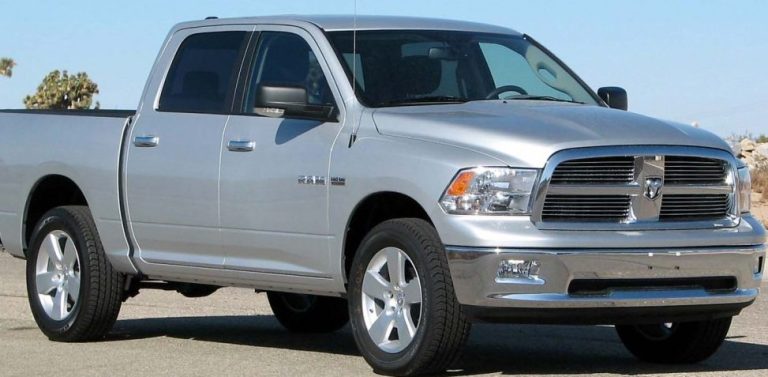
Dodge Ram 1500 gen 3 2002–2008 Transmission: Common Issues and Expert Verdict
Overview
The third-generation Dodge Ram 1500 is one of those trucks that can fool people. Some of them are solid, honest rigs that just keep working. Others are money pits wearing a cheap sale price. Same body style. Same badge. Totally different ownership story once you get underneath and start looking at the tranny, the transfer case, the rear axle, and all the stuff that actually gets the truck moving.
I’ve been around these for years. I’ve seen stock grocery-getter trucks, beat-up work trucks, tow pigs, plow setups, and the usual “runs great” marketplace specials that show up with burnt fluid, axle seepage, and a rear end that sounds like a coffee grinder. That’s this platform in the real world. The transmissions are not universally bad. The driveline is not universally bad. But some configurations are absolutely riskier than others, and one year in this range needs to be treated very differently from the rest.
Start with the big one. FCA campaign P77, NHTSA recall 14V-796. That applies to certain 2005 Ram 1500 trucks equipped with the 9.25 rear axle, sales code DRB. The defect is the rear axle pinion nut. FCA’s own recall documents say the nut can loosen, the rear driveshaft can separate from the rear axle, and the rear axle can seize. That is not a nuisance. That is a safety defect with real consequences. If I’m looking at a 2005 truck and the VIN check is not clean, I stop right there and deal with that first. ([static.nhtsa.gov](https://static.nhtsa.gov/odi/rcl/2014/RCRIT-14V796-3657.pdf?utm_source=chatgpt.com))
And one correction needs to be said clearly because bad info keeps floating around: recall N26, NHTSA 13V-239, is not a 2002–2008 Ram 1500 recall. It applies to 2012 Ram 4500 and 5500 trucks. Different platform. Different axle issue. I’ve seen people mix those up, and once that kind of mistake gets copied around, buyers start chasing ghosts instead of checking the problems that actually matter on this truck. ([static.nhtsa.gov](https://static.nhtsa.gov/odi/rcl/2013/RCLRPT-13V239-8199.PDF?utm_source=chatgpt.com))
Once you get past the recall landmine on 2005 models, the rest of the story looks more familiar. The 45RFE and 545RFE are decent units when they get the correct fluid, correct filters, and sane use. Skip service, tow heavy, ignore shudder, keep driving around on old ATF that smells cooked, and they get expensive. Same with the transfer case. Same with axle seals. Small stuff first. Big bills later.
Which Transmissions It Uses
| Transmission model | Gear count | Drive layout | Engine pairing | Production years in this platform | What is verified |
|---|---|---|---|---|---|
| 45RFE | 5 forward ratios | RWD / 4WD | 4.7L V8 | 2002 to early 2003 usage within the platform | Verified in Chrysler sales-code material and Ram 1500 warranty records |
| 545RFE | 5 forward gears | RWD / 4WD | 4.7L V8, 5.7L V8 | 2003 to 2008 | Verified in Chrysler sales-code material and Ram 1500 warranty records |
| NV3500 | 5-speed manual | RWD / 4WD | 3.7L V6, 4.7L V8 | Verified within the platform range, including 2002 and later examples | Verified in Chrysler sales-code material as NV3500 with sales code DDC |
| 48RE | 4-speed automatic | RWD | 8.3L V10 | Ram SRT-10 application within this generation | Verified in Ram 1500 SRT-10 warranty records |
Most owners are dealing with one of two boxes. Early 4.7 trucks got the 45RFE. Then the 545RFE took over the bulk of the automatic workload across the V8 range. That 545RFE is the one I’ve seen the most by far, and it’s the one that defines the reputation of this generation.
The manual option exists, though you don’t see it every day. NV3500. Usually in lower-spec or less-optioned trucks, and the people who own them tend to hold onto them. Different personality. Different problems. Less electronics drama, more clutch and engagement stuff when age catches up.
Fluid matters here more than people want to hear. Chrysler service data calls for Mopar ATF+4 in the automatic transmission and also in the transfer case on this platform. The NV3500 is different. It uses dedicated Mopar manual transmission fluid. Mix that up and you can create your own headache. I’ve seen shops slap in the wrong fluid because “it’s just an old truck,” then the owner wonders why the shift feel went weird or the case started sounding rough. Wrong fluid is a band-aid fix in reverse. It creates the problem instead of hiding it. ([cdn.dealereprocess.org](https://cdn.dealereprocess.org/cdn/servicemanuals/ram/2008-ramtruck.pdf))
Main Failure Patterns
Rear axle pinion nut failure on 2005 trucks
This is the one that matters most because it is not normal wear. It is a factory defect, plain and simple. FCA said some 2005 Ram 1500 trucks with the 9.25 rear axle had a pinion nut issue that could allow the nut to loosen. Once that starts, bad things happen fast. Rear axle seizure. Loss of motive power. Rear driveshaft separation. None of that is subtle. None of that is cheap. ODI investigation PE14-019 came first, then recall P77 followed. ([static.nhtsa.gov](https://static.nhtsa.gov/odi/rcl/2014/RCLRPT-14V796-9590.PDF?utm_source=chatgpt.com))
In my experience, when a rear pinion setup starts moving around where it should not, you don’t always get a nice long warning period. Sometimes you get noise. Sometimes you get vibration. Sometimes you get a mess of metal, shavings, heat, and a truck that is one bad moment away from a ridiculous repair bill. On a used 2005 truck, I do not care how shiny the paint is if the recall history is missing or sloppy.
RFE shift complaints before hard failure
The 45RFE and 545RFE usually do not fail in some dramatic movie-scene way. They age into problems. That’s more annoying in a way because owners keep driving them. Harsh 1-2 shifts. Delayed reverse. Converter shudder when you’re holding steady speed. Busy hunting between gears. The truck still moves, so people let it ride. Bad move.
I’ve seen dozens of these where the hard parts were still saveable, but the owner ignored the warning signs until the fluid was smoked and the converter had started shedding material through the unit. Then you are not talking about a service anymore. You are talking about teardown, cooler contamination, flushed lines, and a much bigger price tag.
A healthy 545RFE can go a long way. No question. I’ve seen them run past 150,000 Miles (241,000 km), 200,000 Miles (321,000 km), even farther if the truck was not abused and the fluid was kept clean. But this is where paper schedules and real life split apart a bit. Chrysler’s maintenance schedule still calls for automatic transmission fluid and filter service at 120,000 Miles (200,000 km) under normal use, and 60,000 Miles (100,000 km) for police, taxi, fleet, and frequent trailer towing service. That shorter interval tells you everything you need to know. Severe use cooks fluid. Period. ([cdn.dealereprocess.org](https://cdn.dealereprocess.org/cdn/servicemanuals/ram/2008-ramtruck.pdf))
Transfer case wear from skipped service
The transfer case is one of those parts owners forget exists until it leaks on the driveway or starts making a nasty little howl that gets louder on decel. Then suddenly it matters. On this platform, Chrysler specifies ATF+4 for the transfer case, and the service schedule calls for transfer-case fluid changes every 60,000 Miles (100,000 km) under off-road, fleet, police, taxi, or frequent trailer-towing use. So no, it is not a sealed magic box that lives forever on old fluid. ([cdn.dealereprocess.org](https://cdn.dealereprocess.org/cdn/servicemanuals/ram/2008-ramtruck.pdf))
What I usually see is slow decline. Not glamour failure. Output seal seepage. Damp case half. Slight vibration. A little chain noise. Maybe the owner blames tires, then a U-joint, then the weather, then anything except the box hanging off the back of the tranny. Leave it long enough and the repair gets messy. A simple reseal turns into yoke wear, bearing play, sometimes a replacement case if the fluid level has been ignored too long.
Axle and pinion seal leaks that snowball
These trucks leak. Old trucks do that. But some leaks matter more than people think. Rear axle seals. Pinion seals. Transfer-case output seals. Even a light film around the pinion area on a 2005 truck should get your attention because that area overlaps with the exact driveline hardware tied to P77.
A small leak can be just a seal. Or it can be the start of bearing wear, groove wear on the yoke, axle-end wear, or a pinion setup that is no longer happy. I’ve seen buyers shrug at a damp pinion, then six months later they are pricing gears, bearings, and a full rear-end setup because the original clue was ignored.

Manual-transmission engagement complaints
The NV3500 is not the star of the story here, but it still deserves mention. Chrysler service information for the DR platform includes manual-transmission bulletin coverage for difficult gear engagement caused by clutch-system over-adjustment. That is an important distinction. Sometimes the box is not lunching gears. Sometimes the clutch release system is out of whack and the driver swears the transmission is dying when it really is a release problem upstream. ([static.nhtsa.gov](https://static.nhtsa.gov/complaints/10723028/10723028-AF0DEE51A34402CAE05375E8789808C8.pdf?utm_source=chatgpt.com))
Still, a neglected manual truck can get ugly too. Old fluid, worn clutch hydraulics, sloppy engagement, and drivers who force shifts because they think “it’s a truck, it can take it.” That mindset is how you end up with a cheap truck that feels like it wants to spit the shifter back at you.
Typical Repair Costs
| Repair | Typical cost band | Type of number | What usually drives the bill |
|---|---|---|---|
| Transmission fluid and filter service, 45RFE / 545RFE | USD ($) 250 to 450 | Service Bay Benchmark | Pan condition, filter access, fluid type, regional labor rate |
| Solenoid pack / valve-body level repair on 45RFE / 545RFE | USD ($) 700 to 1,600 | Industry Estimate | Diagnosis time, parts source, need for additional internal inspection |
| Torque-converter and front-end transmission repair | USD ($) 1,500 to 2,800 | Service Bay Benchmark | Converter debris, pump wear, cooler contamination |
| Full 45RFE / 545RFE rebuild or quality reman replacement | USD ($) 3,500 to 5,500 | Industry Estimate | Core condition, converter replacement, cooler flush, warranty level |
| Transfer-case reseal or output-seal repair | USD ($) 250 to 700 | Service Bay Benchmark | Seal-only versus yoke or bearing wear |
| Transfer-case replacement | USD ($) 1,500 to 3,000 | Industry Estimate | Unit type, used versus reman, labor rate |
| Rear axle pinion repair after looseness is found | USD ($) 600 to 2,000+ | Projected Rating | Bearing damage, gear damage, flange condition |
| Complete rear axle assembly after severe P77-related damage | USD ($) 2,000 to 4,000+ | Industry Estimate | Availability of complete axle, gear ratio, collateral driveshaft damage |
Here’s where people get caught. They shop by truck price and forget the repair spread on this platform is wide. Really wide. A fluid and filter service is manageable. A valve-body or solenoid-level repair, still manageable. Even a converter job can make sense if the truck is clean and worth keeping.
Then there’s the other side. A neglected RFE with debris in the pan, a contaminated cooler, and a converter that has already started coming apart. A transfer case run low until bearings get noisy. A rear axle with pinion movement and gear damage. That is where the whole thing can feel over-engineered and cheap at the same time. Small ignored problem, giant bill.
I’ve seen owners chase a shudder with additives, bargain flushes, random used parts, or some slapped-on software hope from a shop that never confirmed the real condition of the unit. Band-aid fix after band-aid fix. Then the tranny grenades six months later and everyone acts surprised. No mystery there.
Best and Worst Years
| Year or range | Transmission and driveline view | Risk level | Main reason |
|---|---|---|---|
| 2005 | Worst year to buy blind | High | P77 rear axle pinion nut exposure on trucks with the 9.25 rear axle |
| 2002 to early 2003 4.7 trucks | Moderate risk | Medium | Older 45RFE calibration era and age-related wear |
| 2003 to 2008 545RFE trucks with records | Generally the safer automatic buy | Medium to Low | Stronger field reputation when fluid service is documented |
| 2006 to 2008 with clean service history | Best overall buyer profile in this platform | Low to Medium | No 2005 rear-axle recall exposure and later-life maintenance records are easier to verify |
If you ask me which one I trust least, it’s the 2005. Easy answer. That does not mean every 2005 is bad. It means every 2005 needs proper rear-axle homework before money changes hands.
If you ask which trucks I like best, it’s usually the later 545RFE trucks with records. Give me a 2006–2008 truck with documented ATF+4 service, no driveline nonsense underneath, and no mystery rebuild story, and I’m a lot more relaxed. The truck might still need age-related work. That’s normal. What I don’t want is hidden axle drama or a tired tranny pretending to be okay for a 15-minute test drive.
Warning Signs & Early Detection
These trucks usually talk before they break. The trick is knowing what language they’re using.
| Warning sign | What it usually points to | Why it matters |
|---|---|---|
| Harsh 1-2 or 2-3 shift when hot | Hydraulic-control wear, fluid breakdown, adaptation issues | Can be the front edge of bigger RFE repair work |
| Shudder on converter apply at steady speed | Converter clutch distress or degraded ATF | Gets worse under towing load and heat |
| Delayed reverse engagement | Internal wear, valve-body problems, seal leakage | Classic warning sign on aging units |
| Driveline clunk on takeoff | Backlash, U-joint wear, slip-yoke wear, axle play | Needs to be separated from normal truck lash |
| Gear oil at axle ends or pinion area | Seal wear, bearing play, axle-end wear | Can lead to brake contamination or bigger axle work |
| Transfer-case seepage or fresh fluid film | Seal wear or output/yoke wear | Can turn into bearing or chain damage if ignored |
| No proof of P77 completion on a 2005 truck | Open safety defect risk | Buy/no-buy item until verified |
Cold test drive. Hot test drive. Both matter. A truck that feels decent for the first few minutes can change its whole personality after the fluid warms up. I pay close attention to reverse engagement, converter feel at steady cruise, light-throttle shift timing, and any vibration through the seat that changes with load.
Underneath, I want to see the transfer case, the rear pinion area, the driveshaft joints, and the axle ends. Not a quick flashlight wave. A real look. In my experience, a proper pre-purchase inspection on one of these trucks is cheap compared with buying someone else’s deferred maintenance list.
Scan data matters too. I do not need a seller telling me “it just needs a tune-up” when the truck is slipping hot, learning around internal wear, or throwing clues in the adaptation data. Trucks lie. Data lies less.
When to Walk Away
Some trucks are worth fixing. Some are ticking time bombs. You need to know the difference.
- A 2005 truck with the 9.25 rear axle and no proof that P77 was completed.
- Burnt automatic-transmission fluid with debris, plus hot shift complaints.
- A truck that shudders at cruise, then bangs into reverse or drive.
- Fresh gear oil around the pinion area on a 2005 truck with fuzzy recall history.
- A transfer case that gets noisy hot, not cold.
- A seller talking about a “rebuilt tranny” with zero paperwork for the converter, cooler cleaning, or warranty source.
- A manual truck with ugly engagement, vague clutch release, and the usual “they all do that” excuse.
I’m not saying every leak means run. I’m not saying every harsh shift means it’s done. But when problems stack on top of each other, fluid condition, driveline noise, vague service history, open recall exposure, that is when you stop trying to be optimistic. Optimism is expensive in used-truck land.
Ownership Reality
| OEM guidance | Real-world outcome | What owners learn the hard way |
|---|---|---|
| Automatic transmission fluid and filter at 120,000 Miles (200,000 km) under the normal schedule | High-mileage RFE units used for towing often benefit from much earlier service | Waiting too long usually shows up first as shift quality problems, then repair bills |
| Automatic transmission fluid and filter at 60,000 Miles (100,000 km) for police, taxi, fleet, or frequent trailer towing | This shorter interval matches what many working trucks actually need | Towing changes the whole ownership equation |
| Transfer-case service at 60,000 Miles (100,000 km) in off-road, fleet, police, taxi, or frequent towing use | Skipped service often leads to leak, chain, or bearing wear later | The transfer case is not maintenance-free |
| Use ATF+4 in the automatic and transfer case | Wrong fluid or mixed-fluid history causes avoidable shift and wear complaints | Fluid choice matters more than many owners think |
| Use dedicated Mopar manual-transmission fluid in the NV3500 | Manual trucks still need configuration-correct service | Manual does not mean cheap to neglect |
This is where the ownership story gets real. On paper, some owners stretched service intervals because the truck seemed fine. In real bays, the trucks that aged well usually got serviced sooner. Especially tow rigs. Especially trucks living in heat. Especially anything worked hard.
I’ve had customers come in convinced the transmission “just suddenly went bad.” It usually didn’t. The signs were there. The fluid was old. The shudder had been there for months. The leak underneath was not new. The transfer case had probably been low for a while. The rear axle had probably been talking for a while too, whining a bit, sweating a bit, moving toward something worse.
Warranty timing is another sore spot. A lot of these trucks start showing real drivetrain age after the easy warranty years are gone but while the truck still feels usable enough that owners keep pushing it. That is why records matter so much. A truck with correct-fluid history, proper filter service, and documented driveline work is worth more than a cleaner-looking truck with a mystery past. Always.
And no, old trucks do not get a free pass because they are old. A bad service history is still a bad service history in 2026. Age explains wear. It does not excuse neglect.
Lawsuits, Complaints & Regulatory History
I did not find a verified class action built around a design-defect transmission failure on the 2002–2008 Ram 1500 itself. What I did find, and what matters more to owners anyway, is the federal defect trail tied to the 2005 rear axle. ODI opened PE14-019 after reports involving rear differential lock-up and related driveline events, then FCA rolled out recall P77. That is the regulatory event that belongs at the center of any honest transmission-and-driveline discussion on this platform. ([static.nhtsa.gov](https://static.nhtsa.gov/odi/inv/2014/INCLA-PE14019-5047.PDF?utm_source=chatgpt.com))
That complaint pattern tells you something useful. The big verified safety problem in this generation is not a blanket “all trannies are junk” story. It is a specific rear-axle defect on certain 2005 trucks. Separate that from the normal aging stuff. Shift complaints, leaks, U-joints, converter shudder, driveline lash, those are ownership and maintenance problems. P77 is a factory defect problem. Different category. Different level of concern. ([static.nhtsa.gov](https://static.nhtsa.gov/odi/rcl/2014/RCRIT-14V796-3657.pdf?utm_source=chatgpt.com))
I’ll say it again because it matters: do not mix in N26 on this platform. That recall belongs to another truck line. If a buyer, shop, inspector, or seller is quoting that against a 2002–2008 Ram 1500, they are working off bad data. And once the data is bad, the rest of the advice usually falls apart too. ([static.nhtsa.gov](https://static.nhtsa.gov/odi/rcl/2013/RCLRPT-13V239-8199.PDF?utm_source=chatgpt.com))
Bottom Line
Here’s the honest version. The 2002–2008 Dodge Ram 1500 does not have a generation-wide tranny disaster hanging over it. The 45RFE can be decent. The 545RFE can be very decent. The NV3500 is workable when it is maintained. The transfer case and axles are normal truck hardware, which means they survive a long time when serviced and turn ugly when ignored.
The biggest verified driveline threat is the 2005 rear axle pinion nut defect covered by P77. Beyond that, the platform lives or dies by maintenance discipline, correct fluid, towing history, and whether the owner paid attention when the truck started sending little warnings instead of waiting for it to grenade.
If I were buying one, I’d lean toward a 2006–2008 545RFE truck with clean records, proper ATF+4 history, no underbody surprises, and a seller who can document what was done and when. If I were evaluating a 2005, I’d verify that recall before I cared about anything else. That’s not drama. That’s just how you stay out of a messy failure and keep an old Ram in the useful-truck category instead of the endless-bill category.