

How the Dodge Caravan gen 4 2001–2007 Transmission Actually Fails
Overview
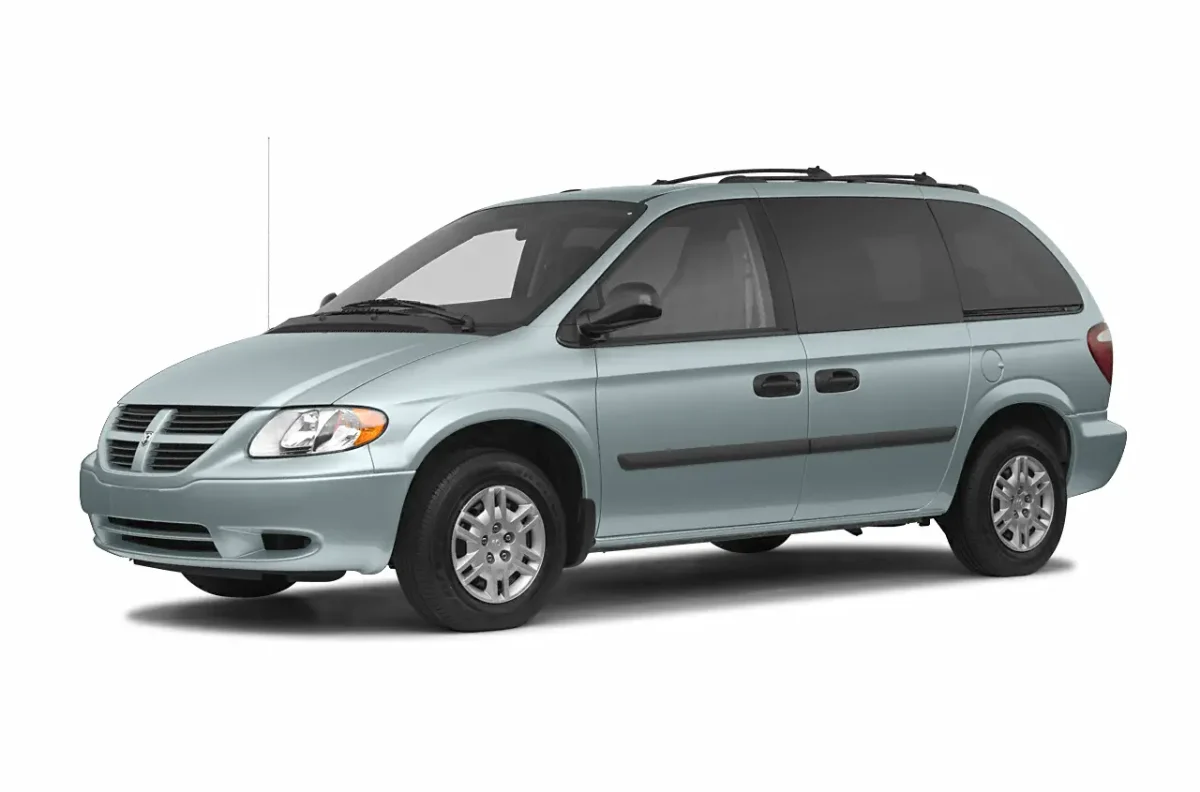
The 2001–2007 Dodge Caravan and Grand Caravan have a transmission reputation for a reason. I’ve seen dozens of these in independent shops, dealer back lots, auction lanes, and family driveways where the owner swore it “just started acting up last week.” Usually it didn’t. Usually the tranny had been talking for months. Harsh engagement. Delayed reverse. Limp mode. Random banging into gear. Burnt fluid. Metal shavings in the pan. Same movie, different van.
What matters is separating the real patterns from the usual internet noise. On this generation, the hard evidence points to Chrysler’s 41TE four-speed front transaxle as the main unit buyers and owners need to understand. There was also an early three-speed setup on some 2.4L vans, and the AWD vans carried extra driveline baggage with the power transfer unit and related hardware. That AWD setup can get expensive fast. Real fast.
The public recall history is not the headline here. A lot of people expect a major transmission problem to show up as a giant safety recall, but on these vans the better paper trail lives in TSBs, warranty language, shop history, and complaint patterns. Chrysler published guidance for P1776 faults on 2003–2005 RS vans with the 41TE. Chrysler also published a bulletin warning that very small tire circumference differences on AWD models could damage the power transfer unit. So no, this is not one of those platforms where “no recall” means “no issue.” It means the trouble lived in service bays instead of front-page recall notices.
That’s the tone of ownership with this platform. Messy. Fixable sometimes. Cheap sometimes. A ticking time bomb when neglected.
Which Transmissions It Uses
The transmission lineup on this generation is tighter than a lot of buyers think. There weren’t a bunch of fancy alternatives floating around in the U.S. market. For most vans, you’re dealing with Chrysler’s familiar transaxle family, and the risk comes down more to condition, maintenance history, and configuration than to some huge spread of transmission designs.
| Transmission code | Gear count | Drive layout | Engine pairing | Production years within this platform | What it means in the real world |
|---|---|---|---|---|---|
| 41TE | 4-speed | FWD | 2.4L I4, 3.3L V6, 3.8L V6 | Verified in 2003–2005 RS applications, carried across the generation in mainstream FWD use | This is the one most people are dealing with. It’s the unit behind the best-known limp-in, valve body, fluid-sensitivity, and code-related complaints on this platform. |
| 31TH | 3-speed | FWD | Early 2.4L I4 short-wheelbase vans | Early-platform usage in service trade identification | Older design, fewer gears, not the one most shoppers think about, but it changes the risk profile on the earliest 2.4L vans. |
No verified manual transmission. No CVT. No dual-clutch setup. Nothing exotic. This generation was old-school Chrysler minivan hardware, and by the time a lot of these vans aged out of warranty, the condition of the fluid and the quality of the past repairs mattered more than anything in the brochure.
That’s worth saying plainly. If you’re shopping one of these, the question is usually not “Which transmission did Dodge use?” The question is “How abused is the one in front of me?” Big difference.
Main Failure Patterns
The 41TE’s most documented issue on this platform is the P1776 fault. I’ve seen that code drag people into bad decisions because the van feels awful when it happens. Sometimes it drops into limp-in. Sometimes it acts like it’s stuck in a lower gear. Sometimes it bangs hard enough that the owner assumes the whole tranny is grenaded. Chrysler’s own service bulletin says slow down and diagnose it correctly.
That bulletin matters. A lot. It tells the technician to check event data, look at the TRS status, inspect shifter cable adjustment and routing, and then go into the valve body side of the diagnosis if the data points there. That is not the same as yanking the unit out and slapping on a reman because the van shifted ugly on the test drive.
In my experience, this is where money gets wasted on these. A lazy diagnosis turns a code-driven valve-body problem into a full rebuild estimate. Then the owner panics, the van gets dumped cheap, and the next guy either gets lucky or gets buried in repair bills.
The other big one is the AWD driveline. I don’t say this lightly: the AWD setup on these vans can be ridiculous. Chrysler warned that a tire circumference difference of just 0.5% front to rear could damage the power transfer unit. Read that again. Half a percent. That means mismatched tires, one newer tire, one oddball bargain-brand tire, uneven wear because the van never got rotated, all of that can keep the driveline loaded all the time. The PTU does not like that. The coupler does not like that. Nothing back there likes that.
And people do it anyway. They blow one tire, buy the cheapest single replacement they can find, keep driving, then months later the van starts groaning or binding and now everybody’s shocked. I’m not shocked. I’ve seen this more than once.
The official AWD powertrain coverage language is revealing too. Chrysler listed the power transfer unit, viscous coupler, axle housing, differential carrier assembly, driveshafts, axle shafts, the related guts of that system, all of it, as covered driveline components. That tells you the factory understood this was a real system with real exposure, not some magic all-wheel-drive sticker on the liftgate.
Then there’s fluid. Always fluid. Chrysler specified ATF+4 for these automatics, and that matters more than some owners want to hear. The 41TE family is fluid-sensitive. Wrong fluid can make a decent unit feel sick. Old fluid can make a tired unit feel finished. Burnt fluid, oxidized fluid, mystery fluid from a cheap lube place, fluid that “looks okay from up here” but smells cooked once you actually check it, this is where a lot of messy failures begin.
I’ve opened pans on these and found sludge, friction material, and enough fine shavings to tell the story before the owner even finished explaining the symptom. Some of those vans still drove. Barely. That’s the trap. A Chrysler four-speed can keep moving while it’s chewing itself up.
What this usually feels like on the road
- Delayed engagement into Drive or Reverse
- Limp-in operation with very limited gear range
- Harsh 1-2 or 2-3 shifts
- Lockup shudder or surge on light grades
- Clunking engagement after stop-and-go driving
- Fluid leaks around seals or cooler-line areas
- AWD growling, binding, or driveline drag when tire history is bad
Some of those symptoms are repair-stage problems. Some mean the unit is already lunching gears or eating the valve body alive. You do not know which one you have without scanning it and road-testing it properly.
Typical Repair Costs
Price is where these vans get real, and I mean fast. People buy an older Caravan because the purchase price looks cheap, then they get hit with a transmission estimate that doesn’t care what they paid for the van. The tranny bill is the tranny bill.
| Repair type | Typical cost range | Label | What usually pushes the cost up |
|---|---|---|---|
| Diagnostic scan, road test, cable adjustment, basic transmission evaluation | $150 to $350 USD | Service Bay Benchmark | Shop labor rate, scan-tool depth, time spent reproducing the fault |
| 41TE valve body or solenoid-related repair | $700 to $1,600 USD | Service Bay Benchmark | Contamination, parts quality, repeated teardown, fluid and filter service |
| Axle seal or output seal repair | $250 to $500 USD | Industry Estimate | Access, axle condition, fluid loss, corrosion on surrounding hardware |
| Complete 41TE rebuild or replacement | $2,500 to $4,500 USD | Service Bay Benchmark | Converter replacement, hard-part damage, reman quality, warranty level |
| AWD PTU or related driveline repair | $1,200 to $3,500 USD | Industry Estimate | PTU damage, coupler damage, shaft issues, used parts availability, matched tires needed afterward |
That spread is normal. One van needs diagnosis and a band-aid fix that actually holds because the hard parts are still okay. Another one has burnt fluid, slipping clutches, and enough debris in the pan that you know the internals are already done. Same platform. Very different checkbook pain.
I’ll be blunt. If the van is worth $2,500 and it needs a real rebuild, the math gets ugly. You either love the van, need the space, or you walk.
Best and Worst Years
I don’t like the usual internet habit of naming one “worst year” and acting like the problem is solved. It’s lazy. On these vans, configuration matters more than a catchy headline. FWD versus AWD matters. Early three-speed versus 41TE matters. Service history matters even more.
| Year or configuration | Transmission focus | Risk level | Why it lands there |
|---|---|---|---|
| Early 2.4L short-wheelbase vans | 31TH | High | Older three-speed design, different durability expectations, less flexibility than the later mainstream setup |
| 2003–2005 FWD vans | 41TE | Medium to High | Best-documented P1776 pattern, more reason to insist on a scan and a real road test |
| AWD vans across this generation | 41TE-family plus AWD driveline hardware | High | Tire mismatch can quietly wipe out driveline parts even when the transmission itself still feels passable |
| Later FWD carryover vans with clean records | 41TE | Medium | Still age-sensitive, still fluid-sensitive, but usually less risky than neglected AWD examples |
If you force me to pick the better buys, I lean toward later FWD vans with a boring maintenance story. That’s what you want here. Boring. Matching paperwork. Matching behavior. No drama.
The ones I do not trust are AWD vans with sketchy tire history and any seller who says, “It’s just a sensor,” while the thing slams into gear or binds in a parking lot turn.
Warning Signs & Early Detection
Here’s where a lot of buyers blow it. They drive the van around the block once, figure the tranny “felt okay,” and call it done. Bad move.
You want a cold start. You want a hot drive. You want a scan with something better than a toy code reader. You want to know if there’s a stored P1776, if the shift adapts are weird, if reverse engagement is lazy, if there’s a flare on the upshift, if the converter clutch feels ugly at cruise. You want to know before you own it.
Things I look for right away
- Delayed Drive or Reverse engagement after startup
- Harsh bang shifts once fluid warms up
- Limp-in behavior
- Stored transmission codes, even if the light is off
- Burnt ATF smell
- Evidence of pan reseal or recent “fresh fluid” with no paperwork
- Mixed tire brands or uneven tread on AWD models
- Driveline drag, groan, or binding in tight turns on AWD vans
I also pay attention to seller language. Sounds odd, but it matters. “It only acts up once in a while.” “My mechanic said it’s common.” “It had a tranny put in, I think.” “It just needs a flush.” Those are red-flag sentences. I’ve heard them all. None make me feel better.
And yes, fluid color still matters. It isn’t everything, but dark, cooked fluid in one of these is a bad sign. So is shiny glitter in the pan. So are big chunks. Chunks are never your friend.
When to Walk Away
Walk away from an AWD van with mismatched tires. I mean it. If the tire history is bad and the seller has no clue, the driveline may already be wounded. You might not hear it yet. You might not feel it yet. Doesn’t mean it’s healthy.
Walk away from a 41TE van in limp-in mode unless the price is low enough to absorb failure, diagnosis, and the chance that the first estimate won’t be the last estimate. Some of these can be saved with proper diagnosis. Some are already beyond the band-aid stage.
Walk away from vague transmission replacement stories. A used tranny “slapped on” without a converter, without the right fluid, without any valve-body attention, without paperwork, that is not repair history. That’s a gamble record.
I’m also wary of vans that were clearly traded in right after the problem started. Fresh detail. Fresh battery disconnect. No codes at first glance. Then ten miles into the road test the thing starts acting possessed. Seen it. More than once.
Ownership Reality
This is the part people need to hear. Factory guidance and real ownership are not the same thing once these vans get old, cheap, and passed from owner to owner.
| Topic | OEM guidance | What happens in the real world | Cost consequence |
|---|---|---|---|
| P1776 diagnosis | Check event data, TRS status, shift cable adjustment and routing, then diagnose valve-body related causes | Plenty of shops and sellers jump straight to “needs transmission” | Misdiagnosis can turn a manageable repair into a rebuild quote |
| AWD tire care | All four tires must match, and tiny circumference differences can damage the PTU | Owners replace one tire at a time, run mismatched brands, skip rotations | PTU and related driveline damage plus the cost of a full matching tire set |
| Powertrain warranty | Major transaxle and AWD driveline parts were covered under the original powertrain terms on eligible vehicles | Most surviving vans are now far outside that safety net | Later owners eat the whole bill |
| ATF+4 requirement | Specified for these automatic transmissions | Quick-lube fluid history and vague maintenance records are common | Wrong-fluid behavior, poor shift quality, accelerated wear |
That table is the ownership reality in one glance. On paper, the rules were pretty clear. In real life, these vans got cheap, people cut corners, and the drivetrain paid for it.
In my experience, the best survivors are the boring family vans that stayed with one careful owner for years, got proper fluid, never got weird tire combinations on AWD models, and were fixed early when symptoms showed up. The worst ones are the bargain flips. Always the bargain flips.
Lawsuits, Complaints & Regulatory History
The clean way to frame the regulatory side is this: the transmission story on this generation is documented more by service bulletins and complaint patterns than by a dedicated safety recall for the transmission itself. That’s why you have to read the platform like a tech, not like a headline reader.
The major official patterns include the P1776 bulletin for 2003–2005 RS vans with the 41TE and the AWD bulletin warning about PTU failure from tire mismatch. Those two items alone tell you a lot about the platform’s weak spots. One is inside the shift-control and valve-body world. The other is in the driveline load path. Two different problems. Same ownership pain when ignored.
Complaint history matters here too, even if complaints are messy by nature. These vans show repeated owner frustration with slipping, banging, fluid loss, loss of drive, limp-in behavior, and repeat repairs. That doesn’t mean every complaint is clean diagnostic truth. It does mean the pattern has been visible for years, and it matches what a lot of us saw in service bays.
The best regulatory move for any owner or shopper is still simple: verify recalls by VIN, check TSB symptom fit, review service records, scan the van properly, and don’t assume a smooth ten-minute test drive means the tranny is healthy.
Bottom Line
The 2001–2007 Dodge Caravan transmission story is not one giant mystery. It’s a collection of very familiar Chrysler minivan problems, and they show up in ways I’ve seen over and over. The 41TE is the unit most buyers need to worry about. P1776 matters. Valve-body diagnosis matters. Correct ATF+4 matters. On AWD vans, tire matching matters way more than most people realize.
These can be decent vans when the drivetrain history is clean. They can also turn into a money pit when the tranny has been ignored, misdiagnosed, or patched with cheap fixes. And the AWD versions, when neglected, can drag the whole driveline into the bill, not just the transaxle.
If I were buying one today, I’d take a plain FWD van with boring records over an AWD van with questions every single time. No hesitation. Boring wins.
Because on this platform, boring usually means healthy. And healthy is the whole game.


