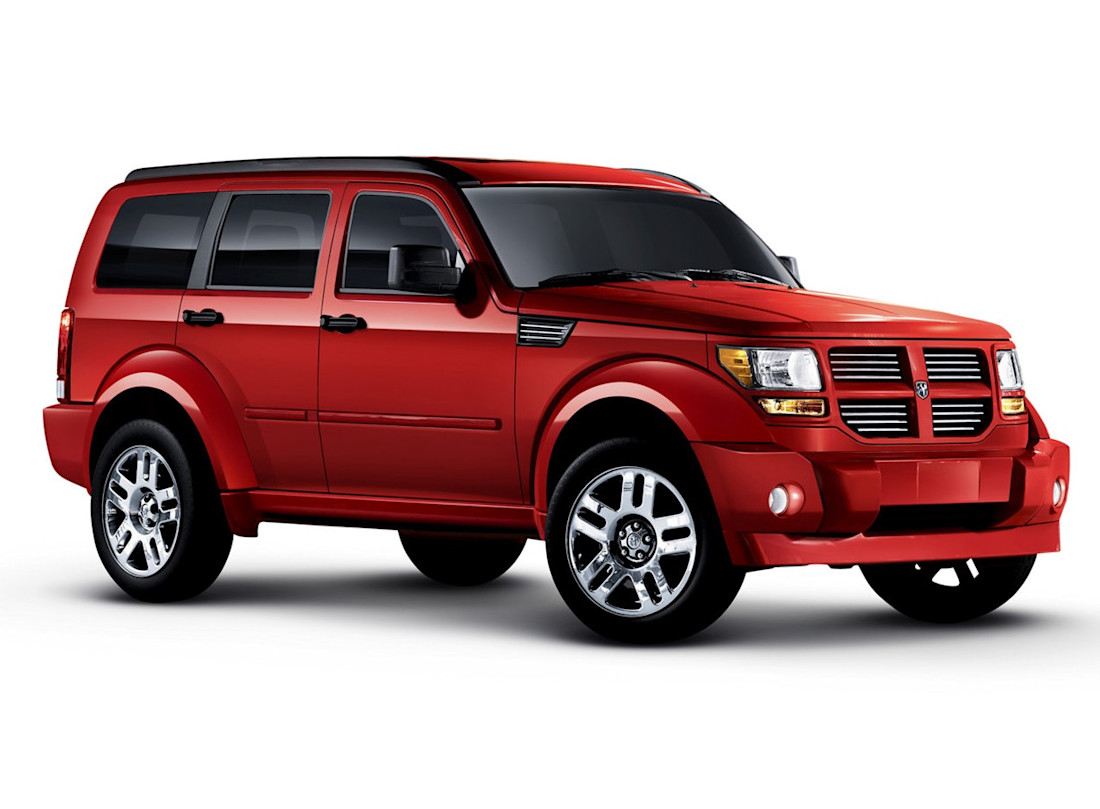
How the Dodge Nitro gen 1 2007–2012 Transmission Actually Fails
Overview
The first-generation Dodge Nitro uses a pretty old-school drivetrain layout, and that matters. A lot. This thing is not a crossover with a tiny turbo motor and a CVT waiting to implode. It is a longitudinal setup with real driveline hardware under it, rear-wheel drive or part-time four-wheel drive depending on trim, and actual conventional transmissions. In U.S. market Nitro models, Dodge used the NSG370 manual, the 42RLE automatic, and the W5A580 automatic. The 3.7L trucks got the NSG370 or 42RLE. The 4.0L trucks got the W5A580. That part is straight from Dodge specs.
Now the big thing. The Nitro does have real transmission and driveline problems, but if you walk into this platform expecting every failure to be some dramatic internal tranny meltdown, you are looking in the wrong place. I’ve seen dozens of these, and most of the expensive stories start outside the core geartrain. Control issues. Seal leaks. Transfer-case neglect. Driveshaft trouble. Missed recall work. That is where the mess starts.
And the regulatory side needs to be right up front because owners and buyers miss it all the time. Recall F43 applied to certain 2007 Nitro models with automatic transmission because the PCM calibration could allow a shift into first gear above 40 Miles (64 km/h). That is not a cute little programming quirk. That can lock the drive wheels for a moment. Then there is NHTSA Recall 13V-121 on certain 2007–2008 Nitro 4×2 vehicles built from March 21, 2006 through March 1, 2008. The underbody transmission tunnel shield could separate, rub the driveshaft, weaken it, and crack it. If that shaft lets go, you have a real driveline safety problem. Anybody buying one of these needs VIN recall verification before they do anything else.
In my experience, the Nitro is one of those platforms where the bad trucks are usually obvious once you get it in the air. The underbody tells the story. Fluid spread, seepage around the transfer case, rear differential wetness, a sketchy-looking shield, mismatched tires on a 4WD truck, all of it. Some of these are still decent used SUVs. Some are ticking time bombs with a shiny detail job slapped on top.
Which Transmissions It Uses
| Transmission Code | Gear Count | Drive Layout | Engine Pairing | Verified Platform Years | Technical Notes |
|---|---|---|---|---|---|
| NSG370 | 6-speed | RWD / 4WD | 3.7L V6 | 2007–2008 | Dodge spec sheets list NSG370 as standard on certain 3.7L trims early in production. It does not appear on later U.S. Nitro specification sets reviewed for this platform. |
| 42RLE | 4-speed | RWD / 4WD | 3.7L V6 | 2007–2011 carryover specification set | Electronically controlled 4-speed automatic used with the 3.7L throughout the U.S. platform run reviewed here. |
| W5A580 | 5-speed | RWD / 4WD | 4.0L V6 | 2007–2011 carryover specification set | Mercedes-derived 5-speed automatic used behind the 4.0L. Chrysler records also identify Nitro vehicles with transmission sales code DGJ as W5A580. |
That is it. No CVT. No dual-clutch setup. No mystery extra U.S. automatic hiding in the lineup. Just those units.
For four-wheel-drive trucks, Dodge documentation identifies the MP143 GII single-speed transfer case on later vehicles. Early 2007 paperwork also shows MP140 GII in late availability form, so on early-production 4WD Nitro models I would verify the transfer case by VIN or by reading the tag on the unit itself. Don’t guess. Early Chrysler production stuff can get weird, and I’ve seen people order the wrong parts because they trusted a listing instead of the hardware sitting in front of them.
Real-world feel? The W5A580 is the better automatic to own. Usually. The 42RLE is simpler, cheaper to deal with when it acts up, and less refined. The NSG370 manual is not the problem child in this platform from a regulatory or field-failure standpoint, but manuals were a smaller slice of the market, so most used buyers are going to end up staring at one of the automatics anyway.
Main Failure Patterns
Here is where people get lost. The Nitro does not show a clean, verified pattern of every year being full of internal tranny carnage. That is not the story. The story is uglier and more annoying because it is spread across software, driveline hardware, fluid leaks, and higher-mileage control-side failures.
Recall F43: Bad Shift Logic, Real Risk
On certain 2007 automatic models, Chrysler issued Recall F43 because the PCM calibration could allow a shift into first gear at speeds above 40 Miles (64 km/h). I want to be clear on that. This was not a “customer may notice firm shifting” sort of bulletin. This was a safety issue involving the possibility of drive-wheel lockup.
In the shop, a truck with weird downshift behavior and missing recall history should never be treated like a rebuild candidate first. Check the calibration history. Check the VIN. See if the recall was done. I have watched people throw parts at this kind of problem because they assumed any harsh downshift had to mean the tranny was lunching gears. Wrong direction. Start with the official recall campaign. That is the correct path on an early unit.
Recall 13V-121: The Driveshaft Problem Everyone Should Know About
This one is nasty. Certain 2007–2008 Nitro 4×2 vehicles built from March 21, 2006 through March 1, 2008 were recalled because the underbody transmission tunnel shield could partially separate and contact the driveshaft. That repeated contact could weaken the shaft until it cracked.
And once a driveshaft breaks, all bets are off. Loss of motive power. Possible underbody impact. Chrysler even acknowledged possible airbag deployment if the shaft struck the tunnel. This is not some squeak, rattle, cheap bracket story. This is the kind of thing that takes a used SUV from “maybe needs some maintenance” to “absolutely not.”
If I am looking at one of these early 4×2 trucks and the recall cannot be verified, I am already irritated. If I can see witness marks, bad hardware, a loose shield, or fresh damage around that area, I’m done. Walk away. There are too many better trucks out there to gamble on that.
42RLE: Mostly a Control-Side Transmission Story
The 42RLE is not a fancy unit. It is old Chrysler stuff. It can survive, but it is not happy forever, and it does not hide neglect well.
What I see on higher-mileage 42RLE trucks is usually not a spectacular pile of broken internals and metal confetti. It is more often delayed upshifts, limp-in operation, torque-converter clutch performance faults, sticky-feeling shift behavior, and valve-body or solenoid-pack related complaints. Messy failure. Annoying diagnostics. Sometimes the customer thinks the whole tranny is grenaded because the vehicle is stuck in one gear, then you get into it and find a control problem instead of a dead geartrain.
That distinction matters because the money changes fast depending on what failed. A valve body or solenoid issue is one conversation. A full rebuild is a different conversation and usually a much uglier one.
Chrysler’s own service guidance also tells you heat matters. Towing changes the service schedule. Repeated shifting and heat load matter. That lines up with what I see in the bay. Old fluid, heat, stop-and-go use, towing, neglected service, all of it piles onto the 42RLE. Call it lifetime fluid if you want. I don’t. On an aging Chrysler automatic, that kind of thinking is a joke.
W5A580: Better Transmission, Same Underbody Problems
The W5A580 is the one I trust more. Straight up. In my experience it has the stronger long-term reputation on this platform, and when a Nitro drives well at higher mileage, there is a decent chance it has this box behind the 4.0L.
But do not get lazy here. A stronger transmission does not make the rest of the drivetrain immune. I have seen nice-driving W5A580 trucks with transfer-case seepage, axle leaks, driveline vibration, and neglected four-wheel-drive systems that were one step away from turning expensive. The trans may be fine. The truck still may not be.
The Nitro’s 4WD setup is part-time. No center differential smoothing over abuse. No magic. If somebody used it wrong on dry pavement, ran mismatched tires, or ignored fluid maintenance, the whole system can get cranky. That means transfer-case stress, binding complaints, odd noises, and sometimes a chain of repairs that started with something simple and stupid.
Transfer Case Seal Leaks and Wear
I see this a lot on older four-wheel-drive Nitro models. Fluid leakage around the transfer case, often at the output area, sometimes enough to coat the underside and start that burned-fluid smell once it hits hot exhaust parts.
A leak by itself is not dramatic. Ignore it long enough and it becomes dramatic. That is how these trucks get expensive. People let a “small seep” go because the vehicle still moves, then months later they are staring at a dry unit, wear noise, and a repair bill they could have avoided.
The official maintenance schedule tends to push transfer-case and axle service into severe-use categories, but in real service bays, older trucks do not care what the brochure said ten years ago. Age, miles, seals, heat cycles, sitting, use patterns. They all matter. On high-mileage Nitro 4WD units, seal wetness shows up far earlier than hard transfer-case failure, and that is your chance to catch things before they turn ugly.
Rear Differential and Axle Seepage
The rear axle itself is usually sturdy. No drama there if the fluid stays where it belongs. The problem is that age starts nibbling at the seals. Pinion seal seepage. Axle-end leakage. Wet housings. Drips that owners ignore because they are focused on engine performance or because the truck still drives “fine.”
That word kills a lot of drivetrains. Fine.
A Nitro with wet axle seals and no service history may still drive fine today. Great. Pull the cover, inspect the oil, check for shavings, and then let’s talk. I’ve seen too many trucks that were one neglected leak away from a much bigger job.
Driveshaft Vibration and Assembly Replacement
Another thing that pops up in the real world is highway-speed vibration. Sometimes it is tire-related. Sometimes it is driveline angle or damage. Sometimes it comes back to shaft wear or a shaft that somebody already abused.
And this is where owners get annoyed because some driveline parts on these trucks are treated as assembly replacements rather than nice cheap service items. So instead of a tiny repair, now you are pricing a whole shaft. That is how a used Nitro starts nickel-and-diming people to death.

Typical Repair Costs
| Repair | Parts | Labor | Total | Source Type |
|---|---|---|---|---|
| 42RLE solenoid pack / valve body service | $450–$750 | $350–$550 | $800–$1,300 | Service Bay Benchmark |
| 42RLE or W5A580 fluid and filter service | $120–$260 | $180–$320 | $300–$580 | Industry Estimate |
| MP143 transfer-case seal repair | $25–$90 | $150–$300 | $175–$390 | Industry Estimate |
| Transfer-case replacement | $900–$1,800 | $500–$900 | $1,400–$2,700 | Service Bay Benchmark |
| Rear differential pinion or axle-seal repair | $30–$120 | $220–$450 | $250–$570 | Industry Estimate |
| Rear driveshaft assembly replacement | $500–$900 | $150–$350 | $650–$1,250 | Service Bay Benchmark |
| Automatic transmission rebuild | $1,800–$2,900 | $1,200–$1,900 | $3,000–$4,800 | Service Bay Benchmark |
A correction from the earlier version matters here. There is no official Dodge or NHTSA master menu of Nitro transmission repair pricing, so these are trade-level numbers, not factory promises. Still useful. Very useful. You just need to treat them like real shop math, not gospel.
And the shop math on these is pretty simple. One issue by itself may be manageable. A valve-body complaint on a 42RLE. Fine. A transfer-case output leak. Fine. A rear axle seal. Annoying but fine. Stack two or three of those on one used Nitro and now the buyer who thought they scored a cheap SUV is staring at a repair total that can run from annoying into ridiculous without much effort.
This is why inspections matter. Not because they are glamorous. Because a pre-purchase inspection can stop you from buying a truck that needs a band-aid fix today and a full driveline bill six months later.
Best and Worst Years
| Year / Build Group | Primary Transmission Risk | Primary Driveline Risk | Overall Ownership Risk | Why |
|---|---|---|---|---|
| 2007 | High on unrepaired automatic-recall vehicles | Medium to High | High | F43 calibration recall plus early-production exposure. |
| 2008 4×2 | Low to Medium | High | High | 13V-121 driveshaft / tunnel-shield recall is the dominant issue. |
| 2008 4WD | Low to Medium | Medium | Medium | No 13V-121 exposure on 4×2-only recall population, but normal leak and wear issues remain. |
| 2009–2011 | Medium | Medium | Medium | Fewer early regulatory headaches; risk shifts to mileage, fluid history, leaks, and age. |
| Late carryover / final-production inventory | Medium | Medium | Medium | Condition and service records matter more than the badge on the tailgate. |
If I had to narrow it down the way a buyer actually thinks, the worst Nitro is usually an early one with missing recall proof, poor service history, and signs of underbody neglect. The best one is not magically the newest. It is the one that was maintained by somebody who paid attention.
I’ve seen later trucks that were junk because the owner ignored leaks, ran mismatched tires on a 4WD system, and never serviced anything. I’ve also seen earlier trucks that survived pretty well because the recall work was done, the fluids were changed, and the driveline was kept dry. Simple as that.
Warning Signs & Early Detection
This is the part buyers need to slow down for. Cosmetics lie. The underbody usually doesn’t.
| Warning Sign | What It Usually Points To | Why It Matters |
|---|---|---|
| Harsh or mistimed downshift | Control-side issue, recall history, or adaptive shift problem | Can be calibration-related on early trucks or hydraulic-control related on older units |
| Limp-in operation or stuck in one gear | 42RLE control fault | Often repairable without full rebuild if caught early |
| Fluid on transfer-case rear output area | Seal leakage | Can turn into low-fluid wear if ignored |
| Wet rear differential housing or pinion area | Axle or pinion seal seepage | Usually manageable early, more expensive later |
| Highway-speed vibration | Driveshaft imbalance, wear, or prior damage | Can be costly because the shaft is often treated as an assembly |
| Loose or damaged tunnel shield on 2007–2008 4×2 | 13V-121 recall condition | This is a safety item, not a minor rattle |
On a four-wheel-drive Nitro, I also care a lot about tires. More than most buyers do. Chrysler warns that tire-size mismatch can damage the transfer case, and they were right to warn about it. I’ve had people shrug off mismatched tires like it is no big deal because “they all hold air.” No. On a part-time 4WD system, bad tire matching is cheap negligence that can snowball into expensive driveline complaints.
I also want to know what the fluids look like. Not just the level. The condition. Burnt fluid, glitter, contamination, thick old gear oil, all of that gives you clues. If I see a dirty underbody and dark fluid everywhere, I start assuming nobody cared until somebody wanted to sell it.
And scan it. Always scan it. A clean test drive means nothing if the vehicle has stored transmission codes, torque-converter faults, or adaptive issues waiting in the background.
When to Walk Away
Some Nitro problems are manageable. Some are not worth the headache.
I would walk away from any 2007 automatic with no proof of F43 recall completion if it also shows harsh or strange downshifts. I would walk away from any 2007–2008 4×2 with no proof of 13V-121 completion if there is visible shield damage, loose hardware, driveshaft witness marking, or fresh underbody evidence that something has already been rubbing where it should not.
I would also walk away from a four-wheel-drive truck with mixed tires, transfer-case noise, fluid spread under the vehicle, and zero maintenance documentation. That combo is bad news. It usually means the owner drove it until symptoms became impossible to ignore, then decided it was somebody else’s problem.
And if the seller keeps repeating “it just needs a seal” while the underside is soaked and the tranny is acting weird, save yourself the trouble. I’ve heard that line too many times. Sometimes it is a seal. Sometimes it is a seal, a transfer-case service, a shaft problem, and a control issue that has been lurking for months.
Ownership Reality
| Topic | OEM Guidance | Real-World Outcome | Cost Consequence |
|---|---|---|---|
| Automatic transmission fluid service | Change at 120,000 Miles (195,000 km) / 90 Months, with earlier service under police, taxi, fleet, or frequent trailer towing use | Field Observation is that waiting that long is hard on older 42RLE units, especially in heat or stop-and-go use | Higher chance of control-side complaints and expensive diagnostic work |
| Transfer-case fluid service | Called out mainly under severe-use categories | On aging 4WD trucks, longer intervals raise the odds of noisy operation and seal-related wear | Seal repair can grow into case replacement |
| Front and rear axle fluid | Inspect, and change under severe-use conditions such as off-road or frequent towing | Older Nitro axles often seep before owners realize fluid level has dropped | Low-cost seal repairs become axle-service jobs |
| 4WD operation | Do not use 4WD LOCK on dry hard-surfaced roads; keep tires matched | Improper use and tire mismatch are common used-vehicle problems | Transfer-case stress, binding, and driveline complaints |
| Recall completion | Owner must verify by VIN | Many used-vehicle listings still omit recall proof | Safety exposure and wrong diagnosis later |
This section is where the brochure and the service bay stop sounding like the same world.
The official schedule is what it is. The trucks I see in the real world are older, dirtier, used harder, maintained unevenly, and often bought by second or third owners who have no idea what was done before. So when the schedule says you can stretch a fluid that long under normal use, I read that one way, and then I look at the vehicle in front of me and read it another way.
On high-mileage Nitro models, earlier fluid service is cheap insurance. Not magical. Not a cure-all. Just smart. Same for transfer-case fluid. Same for axle service. You stay ahead of the leaks and heat and contamination, and you usually spend less money over time. You ignore everything because the truck still moves, and one day you are pricing a rebuild, a shaft, or a case replacement and wondering how it got there.
Maintenance myths do real damage on this platform. “Lifetime fluid.” “Small leak.” “The vibration is just tires.” “It only clunks sometimes.” I’ve heard every version of it. Most of those lines are just the early chapter of an expensive ownership story.
Lawsuits, Complaints & Regulatory History
The verified regulatory history here centers on the two recalls already discussed, and they matter more than any rumor-thread storytelling. Recall F43 addresses transmission shift logic on certain 2007 automatic vehicles. NHTSA Recall 13V-121 addresses the underbody shield and driveshaft failure risk on certain 2007–2008 Nitro 4×2 vehicles.
Outside those recalls, official complaint and field-report material shows the kind of pattern I expect on an aging Chrysler SUV with a traditional driveline: harsh shifting complaints, hesitation, driveline clunk, transfer-case-area noise, leaks, and service events tied to wear or control behavior. What the official record does not show is a separate NHTSA action focused on some platform-wide Nitro internal geartrain defect where the transmissions are just self-destructing left and right. That is a big distinction.
So yes, there is complaint clustering. Real clustering. But it leans more toward calibration, control problems, driveline support hardware, leak-related service, and age-related wear than toward repeated hard-part tranny collapse. That is the accurate shape of the problem.
I did not identify a verified transmission-specific class action tied to the Nitro in the official material used for this rewrite. So for owners and buyers, the practical protection is still the same boring stuff people love to skip: VIN recall verification, service documentation, a real scan, and somebody actually inspecting the underbody before money changes hands.
Bottom Line
The Dodge Nitro transmission story is not clean, but it is not mysterious either.
The real risk zones are pretty clear. Early automatic trucks need F43 recall verification. Early 4×2 trucks need 13V-121 verification. The 42RLE needs close attention to shift behavior, fault history, and fluid condition. The W5A580 is usually the stronger transmission, but it does not save a neglected truck from transfer-case issues, axle leaks, driveshaft trouble, or bad tires causing driveline stress.
In my experience, this platform can still be worth owning when the recalls are closed, the service records are real, the fluids are not cooked, the tires match, and the underbody is dry and quiet. That is the good version. The bad version is a truck with a nice wash job, a wet undercarriage, sketchy recall history, and a seller talking fast.
That one? Leave it.