Is the Dodge Sprinter gen 1 2003–2009 Transmission a Reliability Risk?
Overview
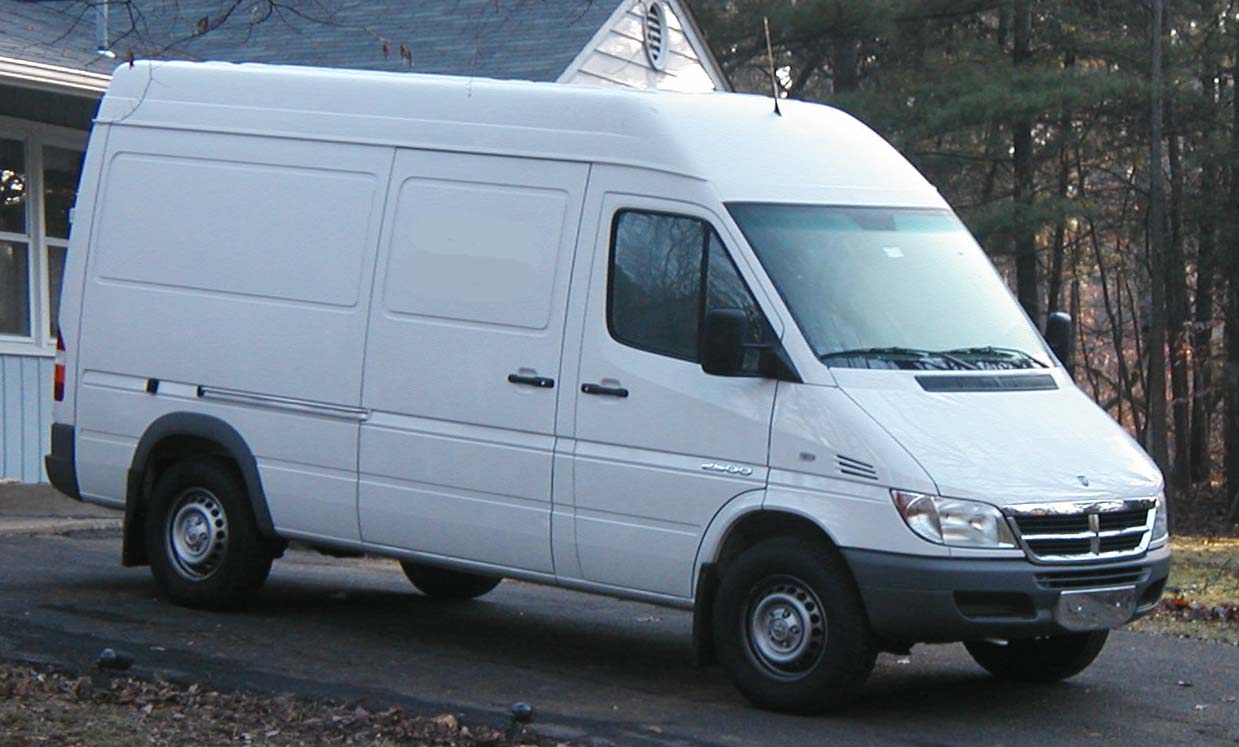
The 2003–2009 Dodge Sprinter is a weird one in the shop. Same name on the badge, two completely different platforms underneath. The early vans (2003–2006) are the T1N generation. Then the redesign hit in 2007 and we got the NCV3. Different body, different engines, different electronics. But the transmission? Same basic unit.
Mercedes built it. Chrysler rebadged it. Techs everywhere just call it the NAG1 or the 722.6. Five speeds. Old-school hydraulic guts with electronic control layered on top. Rear-wheel drive only. Long driveshaft. Big rear differential. Pretty simple layout for a commercial van.
And honestly, in my experience, the transmission itself isn’t the part that scares me on these vans. I’ve seen Sprinters roll into the shop with 350,000 miles (563,000 km) on the original gearbox. Delivery fleets beat them to death and the core geartrain still holds together.
What does fail? Electronics inside the valve body. Torque converters that start shuddering. Connector sleeves that leak fluid up the wiring harness like a straw. And the long driveshaft setups — those center bearings love to wear out.
One regulatory issue also matters here. There was a real driveline recall affecting certain 2008 Sprinter 3500 vans. A driveshaft manufacturing defect. Rare, but ugly when it happens. Anyone buying one of those vans should run the VIN before handing over money.
Which Transmissions It Uses
The Dodge Sprinter didn’t bounce around between different transmissions like modern vans do. One design. One family. Mercedes 722.6.
In Chrysler documentation the same transmission gets labeled NAG1, W5A380, or W5A580 depending on calibration and torque rating. Internally it’s the same architecture.
| Transmission Code | Gear Count | Drive Layout | Engine Pairing | Production Years |
|---|---|---|---|---|
| Mercedes-Benz 722.6 (NAG1 / W5A380) | 5 | RWD | 2.7L OM647 diesel | 2003–2006 |
| Mercedes-Benz 722.6 (NAG1 / W5A380) | 5 | RWD | 3.0L OM642 diesel | 2007–2009 |
| Mercedes-Benz 722.6 (NAG1 / W5A580) | 5 | RWD | 3.5L M272 gasoline V6 | 2007–2009 |
No CVT. No dual clutch. No manual transmission in the U.S. Dodge versions. Just the 722.6 automatic behind every engine option.
The design itself goes back to the mid-1990s Mercedes lineup. Heavy steel gearsets. Strong planetary carriers. It was over-engineered for passenger cars, which is exactly why it survives in commercial vans hauling cargo all day.
But every transmission has weak points. This one definitely does.
Main Failure Patterns
Conductor Plate Failure
This one shows up constantly. I’ve replaced more of these than I can count.
Inside the NAG1 valve body sits a plastic electronic board called the conductor plate. It carries the turbine speed sensor, output speed sensor, and electrical circuits that communicate with the transmission control module.
When the plate fails, the van usually drops into limp mode. Second gear only. No upshifts. Customers think the tranny grenaded.
Usually it hasn’t.
Mileage range where this shows up? Service bay benchmark says around 120,000–200,000 miles (193,000–322,000 km). Heat cycles inside the transmission cook the electronics over time.
- Van stuck in second gear
- Harsh engagement selecting drive
- Check engine light
- Speed sensor fault codes
The annoying part is the sensors are molded into the conductor plate. You don’t replace the sensor. You replace the whole plate. Valve body comes down, new plate goes in, refill fluid, clear codes.
Not the worst job in the world. But it surprises a lot of owners.
Torque Converter Clutch Shudder
Another common complaint. Drivers describe it as a vibration around highway speeds.
Feels like driving across rumble strips. Right around 45–65 mph (72–105 km/h). Light throttle. Steady cruise.
That’s the torque converter clutch slipping when it tries to lock up.
I’ve seen this start after 150,000 miles (241,000 km) on vans that never had transmission fluid changed. Fluid gets dirty, friction material wears down, converter clutch starts grabbing unevenly.
Ignore it long enough and the converter starts shedding debris. Then the transmission starts filling with shavings. That’s when a simple fix turns into a rebuild.
Fleet operators usually catch it early. Independent owners sometimes drive it until the whole thing starts lunching gears.
Transmission Connector Sleeve Leak
This one is almost funny. Cheap part. Huge mess if ignored.
The NAG1 has an electrical connector sleeve pressed into the side of the transmission case. Two tiny seals keep fluid inside.
Over time the seals harden. Fluid leaks through the connector. Then it wicks up the wiring harness.
I’ve unplugged transmission modules and watched ATF drip out of the connector. Ridiculous design.
The fix is simple:
- Remove the connector sleeve
- Install updated sleeve with fresh seals
- Clean the harness
Parts cost maybe twenty bucks. Ignore it long enough and the transmission module gets soaked. Then the repair bill climbs fast.
Driveshaft Center Bearing Wear
Sprinters are long vans. Really long. Especially the cargo versions.
To span that length Mercedes used multi-piece driveshafts with center support bearings. Rubber mount around a bearing bracket bolted to the chassis.
Those rubber mounts eventually give up.
I usually start seeing them fail around 150,000–250,000 miles (241,000–402,000 km). Delivery vans working urban routes wear them out faster.
- Highway vibration
- Clunk when accelerating
- Driveshaft sagging in the middle
Replace the bearing before it tears apart. Once the shaft starts flopping around it can destroy the joints.
Rear Differential Seal Leaks
Another common aging issue. Not dramatic, just messy.
Rear axle seals start leaking. Usually the axle flange seals or the pinion seal at the front of the differential.
Commercial vans hauling cargo all day put serious load on the rear axle. Heat cycles, vibration, weight. Seals wear out.
Left alone long enough the differential fluid drops too low. Bearings start whining. Then the repair jumps from a cheap seal job to a full axle rebuild.

2008 Sprinter 3500 Rear Driveshaft Recall
This one is documented and worth knowing about.
NHTSA Recall ID: 08V-352.
Certain 2008 Dodge Sprinter 3500 vans had a defective left rear driveshaft component. Manufacturing error during the hardening process created cracks where the shaft meets the flange.
Cracks grow. Eventually the shaft can break.
A broken driveshaft on a dual-rear-wheel cargo van is a serious problem. Loss of propulsion and debris under the vehicle.
The recall required inspection of the shaft for a production marking. If the marking matched the affected batch, the shaft was replaced.
Anyone buying a 2008 3500 should run the VIN through the NHTSA recall lookup. Takes thirty seconds and could save a lot of trouble.
Typical Repair Costs
Let’s talk money. Because that’s what owners really want to know.
| Repair Type | Parts Cost (USD) | Labor Cost (USD) | Total Cost (USD) |
|---|---|---|---|
| Transmission conductor plate replacement | $250–$450 | $400–$700 | $650–$1,150 |
| Torque converter replacement | $500–$900 | $900–$1,600 | $1,400–$2,500 |
| Complete transmission rebuild (722.6) | $1,800–$3,200 | $1,200–$2,000 | $3,000–$5,200 |
| Transmission electrical connector sleeve replacement | $20–$40 | $150–$300 | $170–$340 |
| Driveshaft center support bearing repair | $250–$650 | $350–$700 | $600–$1,350 |
| Rear differential seal repair | $50–$150 | $250–$500 | $300–$650 |
Those numbers come straight from real repair shops. Not dealership fantasy pricing.
The connector sleeve repair is the cheap one. Conductor plates fall in the middle. A full transmission rebuild is where things get expensive.
Best and Worst Years
| Model Year | Powertrain Configuration | Transmission | Risk Level | Notes |
|---|---|---|---|---|
| 2003 | 2.7L diesel | 722.6 / NAG1 | Medium | Early calibration updates and electronics learning curve |
| 2004 | 2.7L diesel | 722.6 / NAG1 | Low | Strong reliability in fleet service |
| 2005 | 2.7L diesel | 722.6 / NAG1 | Low | Very durable drivetrain combination |
| 2006 | 2.7L diesel | 722.6 / NAG1 | Low | Final T1N year with mature hardware |
| 2007 | 3.0L diesel / 3.5L gas | 722.6 / NAG1 | Medium | First year of NCV3 redesign |
| 2008 | 3.0L diesel / 3.5L gas | 722.6 / NAG1 | Medium | Driveshaft recall affects certain 3500 vans |
| 2009 | 3.0L diesel / 3.5L gas | 722.6 / NAG1 | Low | Platform stabilized after redesign |
Warning Signs & Early Detection
Most Sprinter transmission failures don’t happen instantly. The van gives you hints first.
- Transmission suddenly stuck in second gear
- Delayed engagement shifting into drive
- Highway shudder during light throttle
- Fluid around the transmission wiring connector
- Driveline vibration above 50 mph (80 km/h)
A proper scan tool will usually reveal speed sensor faults long before the transmission completely quits. That’s how shops catch conductor plate failures early.
Fluid condition also tells a story. Burnt smell. Dark color. Metal shavings in the pan. Those are warning signs the converter clutch is wearing out.
When to Walk Away
Some vans are worth fixing. Some are ticking time bombs.
- Transmission already stuck in limp mode
- Severe driveshaft vibration
- Fluid contamination in electrical connectors
- Multiple transmission fault codes
- 2008 3500 with unresolved driveshaft recall
Commercial vans often lived hard lives. Delivery routes, heavy cargo, constant stop-and-go driving. Maintenance records matter a lot.
Ownership Reality
The factory maintenance guidance for these vans doesn’t always match what we see in real service bays.
| OEM Guidance | Real-World Service Practice | Outcome |
|---|---|---|
| Long transmission fluid intervals | Fluid service every 60,000 miles (96,000 km) | Service bay benchmark shows longer transmission life |
| No scheduled connector sleeve replacement | Sleeve replaced during fluid service | Prevents electrical contamination |
| Minimal driveline inspection | Routine inspection of center bearings and U-joints | Prevents vibration damage |
I’ve seen fleet vans cross 350,000 miles (563,000 km) with the original transmission still shifting fine. The difference almost always comes down to maintenance discipline.
Lawsuits, Complaints & Regulatory History
Federal complaint records include reports of shifting problems, limp mode activation, and driveline vibration in Sprinter vans from this era.
The main documented regulatory action affecting the drivetrain remains the 2008 driveshaft recall.
Outside that recall, the transmission itself hasn’t triggered large federal investigations. The failure patterns we see are mostly wear-related problems after high mileage.
Bottom Line
The 2003–2009 Dodge Sprinter uses one transmission across the entire lineup: the Mercedes 722.6.
It’s a tough gearbox. Heavy internals. Proven design. Built before manufacturers started chasing ultra-lightweight transmissions.
Most real-world problems come from the supporting components — electronics, torque converters, driveshaft hardware.
Maintain the fluid. Fix leaks early. Replace worn driveline parts before they start shaking the van apart.
Do that, and the Sprinter drivetrain can run for hundreds of thousands of miles hauling cargo across the country.