Is the Dodge Caliber gen 1 2007–2012 CVT Transmission a Reliability Risk?
Overview
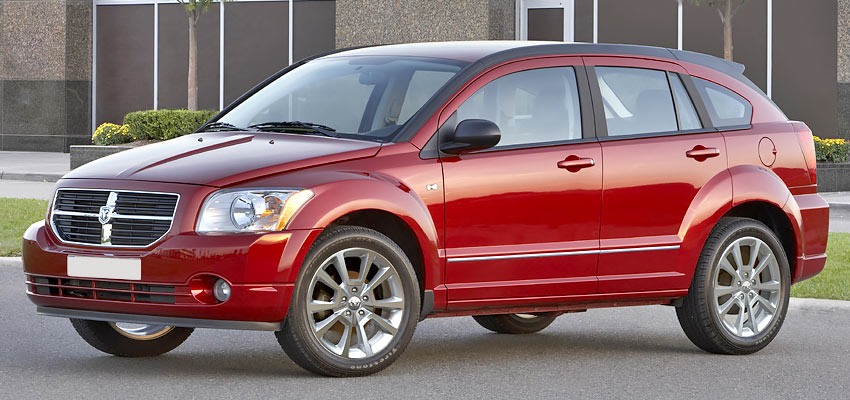
The first-generation Dodge Caliber is one of those cars that looks simple on paper and turns into a headache once you get underneath the skin. For U.S.-market cars, the transmission lineup was basically split in two directions: the T355 5-speed manual, and Chrysler’s CVT2 automatic transaxle. That’s the whole story. No hidden conventional automatic waiting to save you later in the production run. No secret better option tucked into the fine print.
And that matters.
Because if you’re looking at one of these cars with the CVT, you’re not really buying a cheap hatchback anymore. You’re buying into one of Chrysler’s rougher powertrain decisions from that era, and in my experience that decision is what makes or breaks the car.
The official Dodge documents for the early years clearly identify T355 as the manual transmission and CVT2 as the automatic unit. Dodge also documented an AWD R/T setup for 2008 that paired the 2.4L engine with CVT2 and Auto Stick. So yes, the AWD CVT cars existed, and yes, those can be even more expensive to own once driveline issues pile on. More parts. More rotating mass. More stuff to make noise and empty your wallet.
The other thing that needed correcting from the earlier version is the regulatory side. I did not find a U.S. NHTSA recall for an internal Caliber transmission hardware defect like a failed belt, failed pulley set, failed valve body, failed differential, or axle assembly defect. What I did find were software bulletins and one PCM recall that gets dragged into transmission conversations because it affects how the powertrain behaves. That’s a different thing. Same neighborhood, different house.
On 2011 models, FCA Service Bulletin 18-077-16 addressed some ugly driveability complaints: a bump during deceleration around 20–25 mph (32–40 km/h), high RPM hang after acceleration, weak highway response, and related powertrain behavior. FCA’s repair was software. PCM update, TCM verification, that kind of work. Later, Bulletin 18-083-16 continued the PCM software-update theme on 2011–2012 cars. Those are real documents. Those matter. A lot of owners call those symptoms a bad tranny when the first step is still module-level diagnosis.
Then there’s Recall 08V528, Chrysler campaign H33. Real recall. Real safety issue. But it was for the Powertrain Control Module, not for failed CVT internals. The defect involved the PCM circuit board and solder-joint failure risk. On some vehicles the recall procedure also intersected with transmission-related software checks, which is why people blend it into tranny history. I get why. Still not the same thing.
So if you want the blunt version, here it is. The Caliber’s automatic transmission problem is less about one giant official smoking gun and more about ownership math. Once the CVT starts slipping, whining, flaring, or cooking fluid, the car’s value and the repair bill stop living in the same universe.
Which Transmissions It Uses
This part needs to stay clean because people mix up Chrysler transmission names constantly.
| Transmission Code | Type | Gear Count | Drive Layout | Engine Pairing | Production Years |
|---|---|---|---|---|---|
| T355 | Manual transaxle | 5-speed | FWD | 1.8L I4, 2.0L I4, 2.4L I4 | 2007–2008 verified in Dodge specifications |
| CVT2 | Continuously variable transaxle | Variable ratio | FWD | 2.0L I4, 2.4L I4 | 2007–2008 verified in Dodge specifications; 2011 verified in FCA bulletin by sales code DAV |
| CVT2 with Auto Stick | Continuously variable transaxle | Variable ratio | AWD | 2.4L I4 | 2008 verified in Dodge specifications |
That’s the verified lineup from the official materials reviewed here. No verified alternative stepped automatic transmissions used in the U.S.-market Caliber surfaced in the Dodge and NHTSA source set I checked. So if you’re shopping an automatic first-gen Caliber, you’re basically shopping a CVT2 car. That’s it.
A lot of people online throw around Jatco JF011E when talking about this transmission. In the trade, that’s widely accepted and I’ve heard it for years in parts departments and rebuild circles. But the official Chrysler product documents I relied on identify it as CVT2, so that’s the label that carries the most weight here.
The manual T355 is the better bet from a durability standpoint. I’ll say that flat-out. The manual cars can still need clutch work, seals, linkages, and the usual old-car stuff, but they do not carry the same replacement-cost disaster hanging over them like the CVT cars do.
Main Failure Patterns
This is where the conversation gets messy.
The strongest factory-backed pattern I found is not a basket full of hard-part bulletins. It’s calibration trouble. Bulletin 18-077-16 for 2011 Caliber models directly addresses reduced acceleration, reduced throttle response at highway speed, a bump on decel at 20–25 mph (32–40 km/h), and an RPM hang after a normal acceleration event. FCA’s answer was to reprogram the PCM and make sure the TCM had current software.
I’ve seen dozens of these kinds of complaints over the years, not just on Calibers, and the same thing always happens: owner thinks the tranny is dying, somebody at a used-car lot shrugs, then a proper scan shows outdated calibration and bad learned behavior. That doesn’t mean every weird-feeling CVT is healthy. Far from it. It means you do not call a transmission dead before checking the software.
Bulletin 18-083-16 continues that same pattern on 2011–2012 cars with a PCM software update path. Again, this is not a bulletin that says the pulleys are chewing themselves to death and the case is full of metal. It’s a reminder that late-run Calibers still needed software work to clean up how the powertrain behaved.
Now, outside the official bulletin trail, the real-world failure pattern on CVT2 cars is the one techs talk about in actual shops. Heat. Ratio-control weirdness. Whine under load. Delayed response. RPM flare. Burnt fluid. Shavings in the pan when the unit is really going south. That’s the ugly part.
The CVT itself is sensitive. More sensitive than a lot of owners realize. A conventional automatic can sometimes take abuse, get away with neglected fluid, eat some miles, and still keep trucking longer than it deserves. These CVTs are not built like that. Once they start running hot and the fluid gets beat up, the internal wear pattern accelerates. Fast. The belt rides between variable pulleys, hydraulic pressure has to stay where it belongs, and when the control side and the hard-parts side start falling out of sync, the driving feel goes bad in a hurry.
And the symptoms are rarely elegant. They’re annoying. The car feels lazy, then jumpy. It hangs on RPM. It moans. It feels like it’s thinking too hard. Sometimes the owner says it “just lost power” on the highway, and that description is not useless. These cars can feel fine in town, then act ridiculous under sustained load.
That’s why the old overheating discussion keeps coming back. The factory literature warns about transmission temperature issues under heavier operating conditions, and in real service bays that warning makes sense. Long climbs, summer heat, highway speed, extra weight in the car — all of that stacks heat into the unit. You do that long enough with old fluid and you’re building a ticking time bomb.
The earlier draft leaned too hard on PE12-032 as if it proved an internal tranny defect. It doesn’t. That NHTSA investigation centered on low-speed stalling complaints on certain 2011 2.0L CVT vehicles, and Chrysler’s response tied the condition to engine calibration and operating circumstances. Important regulatory history, yes. Proof of belt or pulley failure, no. For a transmission-focused article, it belongs in context, not on center stage pretending to be something it isn’t.
As for AWD 2007–2008 R/T models, the official Dodge specs confirm they existed with CVT2 and Auto Stick. That makes them interesting cars from a drivetrain-layout standpoint. It also makes them more expensive cars when something goes wrong. The official records I reviewed did not surface a separate AWD driveline recall or a bulletin identifying a recurring rear driveline hardware defect. Still, in the real world, extra components mean extra exposure. That’s just common shop math.
Typical Repair Costs
Now the price tag. This is where people usually stop calling the car “not that bad.”
| Repair | Cost Basis | Typical Range | What Usually Drives the Bill |
|---|---|---|---|
| PCM/TCM scan, software verification, road test | Service Bay Benchmark | $150–$300 USD | Diagnostic time, scan data review, adaptation checks |
| PCM/TCM reprogramming when applicable | Service Bay Benchmark | $150–$300 USD | Labor time, subscription tooling, battery support setup |
| CVT fluid and filter service | Service Bay Benchmark | $250–$450 USD | Correct fluid, pan access, filter, shop supply cost |
| CVT valve body or control-related repair | Industry Estimate | $1,200–$2,200 USD | Parts sourcing, programming, relearn procedures |
| CVT replacement with remanufactured unit | Service Bay Benchmark | $4,500–$6,500 USD | Unit price, labor, cooler/flushing work, fluid, warranty markup |
| Axle seal or output seal repair | Industry Estimate | $300–$600 USD | Seal access, labor time, fluid top-off |
| Manual T355 clutch job | Service Bay Benchmark | $1,300–$1,900 USD | Clutch kit, flywheel condition, labor time |
I’m going to say this the way a Master Tech says it in the back of the shop: the CVT replacement cost is the problem. Everything else is noise.
Sure, diagnostics matter. Fluid service matters. A control-side repair can save you money if the issue is software or a valve-body-related complaint. Great. But once the unit is really worn and you’ve got shavings, flare, steady whine, ugly ratio behavior, maybe delayed engagement with a burnt smell on top, you are usually staring at a replacement conversation.
That’s why these cars get parked. The body can be decent. The engine can be running fine. The interior can still look respectable. Then the tranny grenades and suddenly the estimate is more than the owner wants to spend on the whole vehicle.
Rebuild shops exist, of course. Some are excellent. Some are band-aid fix artists with a paint marker and a prayer. A proper remanufactured unit with warranty support usually costs real money for a reason. The shop knows comeback risk is high if corners get cut.
Best and Worst Years
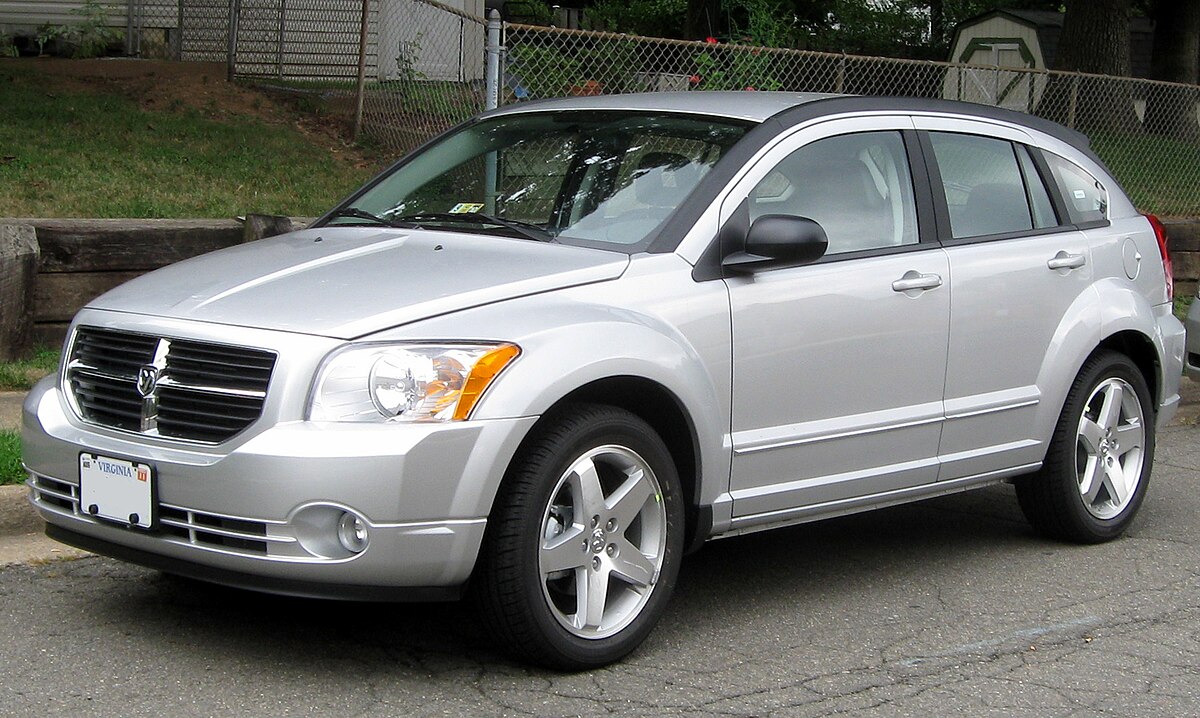
There isn’t some magic year where Chrysler solved everything and angels started singing. Still, there are better and worse places to put your money.
| Model Year Group | Powertrain Position | Why It Matters | Risk Level |
|---|---|---|---|
| 2007–2008 CVT2 FWD | Early build automatic configuration | Earliest CVT2 exposure on this platform; older units now carry age, mileage, and maintenance-history risk | High |
| 2007–2008 CVT2 AWD | Early automatic plus added driveline hardware | Same automatic concerns plus AWD complexity | High |
| 2009–2010 CVT2 FWD | Middle-run automatic configuration | Still a CVT2 car, but without the extra AWD complication seen earlier | Medium-High |
| 2011 CVT2 FWD | Late-run automatic with official software bulletin support | Needs software history checked because 18-077-16 addressed real driveability complaints | Medium |
| 2012 CVT2 FWD | Final-year automatic configuration | Latest calibration environment of the run; still subject to core CVT wear economics | Medium |
| All T355 manual cars | Non-CVT alternative | Avoids the CVT2 replacement-cost problem entirely | Lower |
The early CVT cars are the ones I’m most careful with. Age alone is enough to make them risky. Add missing service records, vague seller stories, a hot-weather shudder, maybe a whine on the highway, and the whole thing starts smelling expensive.
The AWD 2007–2008 cars sit at the top of the risk pile for me. Not because I found an official driveline recall screaming from the paperwork. I didn’t. They sit there because they combine the early CVT exposure with more driveline hardware and more used-car uncertainty. Extra parts. Extra seals. Extra chance something got neglected or slapped on poorly years ago.
2011–2012 CVT cars are not miracles, but they make more sense if they’ve been serviced properly and the software history checks out. The manual T355 cars still beat all of them for long-term risk. Easy call.
Warning Signs & Early Detection
You don’t need a lab coat for this part. You need a good road test and a little skepticism.
| Warning Sign | What It Can Mean | Inspection Method | Risk if Ignored |
|---|---|---|---|
| Whining under load | Field Observation of internal CVT wear | Road test at city and highway speed under steady throttle | High |
| RPM flare without matching vehicle acceleration | Field Observation of ratio-control or internal wear issue | Live-data road test, repeatable throttle input | High |
| 20–25 mph (32–40 km/h) deceleration bump | Documented 2011 software-related symptom | Road test plus module software check | Medium |
| High RPM hang after normal acceleration | Documented 2011 software-related symptom | Road test plus module software check | Medium |
| Delayed response or weak passing feel | Could be calibration issue or mechanical wear | Full scan, adaptation check, road test | Medium-High |
| Fluid contamination or burnt odor | Field Observation of heat stress | Fluid inspection during professional evaluation | High |
If the seller says, “It just drives like a CVT,” don’t let that line do the thinking for you.
A healthy CVT can feel different from a traditional automatic. Fine. But flare, whine, lazy ratio changes, hunting, or that rubber-band feeling getting way worse under load — those are not personality traits. Those are warning signs.
In my experience, the biggest mistake buyers make is taking too short a test drive. Five minutes around the block tells you almost nothing. Drive it cold. Drive it hot. Let it sit and restart. Put it on a highway. Give it a controlled pull. Watch the tach. Feel the response. Listen for the faint whine that becomes a louder one once the fluid warms up.
Then scan it. Always.
You want module data, stored faults, pending faults, transmission behavior, software level, adaptation behavior. You want someone who has seen one of these before, because a tech who understands the platform can tell the difference between a calibration complaint and a unit that’s starting to lunch itself internally.
When to Walk Away
Sometimes the right move is to stop being polite and leave.
Walk away from a CVT2 Caliber if the seller cannot show maintenance records, cannot explain prior transmission work, and the car already shows any mix of whining, flare, delayed engagement, ugly throttle response, or burnt fluid smell. At that point you’re not buying a deal. You’re buying someone else’s problem right before it gets expensive.
I’d also walk away from an AWD 2007–2008 example unless it was inspected properly and priced low enough to justify the risk. Yes, the AWD setup is real. Yes, some buyers like the idea of it. No, that does not make it smart money by default.
On 2011 cars, you need to be extra careful about software history because of Bulletin 18-077-16. If the car shows the exact decel bump, high-RPM hang, or weak highway response described by FCA, diagnostic work is mandatory before anybody starts throwing valve bodies or whole transmissions at it. I’ve seen too many cars get parts slapped on when a scan tool should have been the first tool out of the box.
And if the unit is already making noise? Real noise. The kind that rises with load and makes you turn the radio down? I’m out. That kind of whine is usually not a cheap conversation.
Ownership Reality
This is where the glossy version of the car falls apart and the shop-floor version takes over.
| Topic | OEM / Official Record | Real-World Outcome | Cost Consequence |
|---|---|---|---|
| Automatic transmission lineup | Official Dodge records identify CVT2 as the automatic transaxle | Owners do not have a conventional automatic fallback within this platform | High once replacement is needed |
| Driveability complaints on 2011 models | Official bulletin 18-077-16 calls for PCM and TCM update | Some “bad transmission” complaints are calibration-related first | Lower if caught before major parts replacement |
| Late-run calibration support | Official bulletin 18-083-16 shows continuing PCM update activity on 2011–2012 cars | Software history matters more than many buyers realize | Moderate diagnostic cost, lower than misdiagnosed replacement |
| Long-term CVT durability | No official transmission-hardware recall identified in the sources reviewed | Service bays still see worn CVT units become replacement candidates | Usually the biggest ownership expense on CVT cars |
| Manual alternative | T355 officially documented by Dodge | Manual cars avoid the CVT replacement-cost trap | Usually lower long-term transmission risk |
The factory record gives you configuration data, bulletins, recalls, build context. Good. Useful. Necessary. It does not change what happens when a worn CVT shows up at a shop with metal in the fluid and a customer who thought the car was still worth “maybe three grand.”
That mismatch is the real ownership story.
The car can feel cheap because it is cheap. The transmission repair is not. That’s the trap. Owners think they’re dealing with an older economy car, then the drivetrain estimate lands like a brick on the service counter.
There’s also the maintenance myth problem. A lot of these were driven like maintenance-light cars. Basic commuter duty, ignored fluid history, no serious scan data until the symptoms got loud. Then everybody acts surprised when the tranny starts acting like a ticking time bomb. I’m not surprised. I’ve seen this movie before.
The manual cars skip most of that drama. They’re not perfect. Old clutch hydraulics, worn clutches, shift feel getting sloppy, leaks — sure. But a manual T355 car doesn’t usually blindside you with the same level of catastrophic cost that a worn CVT2 can dump on you.
Lawsuits, Complaints & Regulatory History
The official record is narrower than the internet makes it sound.
I did not identify a verified class-action outcome in the official material reviewed here that established a U.S. transmission hardware defect for the Caliber CVT2. I also did not identify a transmission-hardware recall aimed at failed belts, failed pulleys, failed valve bodies, or other internal CVT components on this platform.
What I did find is a pattern of powertrain software support and one PCM safety recall that overlaps with how people talk about transmission complaints.
Bulletin 18-077-16 matters because it addresses symptoms owners could easily blame on the transmission: weak acceleration, high-RPM hang, weird decel behavior. The repair path was software. Bulletin 18-083-16 matters for the same reason on later cars — continued PCM update activity tells you FCA was still trying to clean up powertrain behavior late in the run.
Then there’s Recall 08V528 / H33. Important recall, but let’s keep it straight. This was a PCM defect involving solder-joint failure risk that could cause stalling or a no-start condition. It was not a recall saying the CVT hardware itself was defective. Some recall procedures referenced extra module checks or programming on CVT-equipped vehicles, and that’s why the waters get muddy.
Complaint clustering still tells you something even when a platform never gets a flashy transmission recall. It tells you owners were having recurring powertrain-driveability trouble, it tells you software calibration entered the conversation more than once, and it tells you the platform built a reputation in the field that outlived the paperwork.
That kind of history matters. Especially on a used car. A platform does not need a giant class action to earn a bad name in service bays.
Bottom Line
The clean version is this.
First-generation Dodge Caliber models in the U.S. used T355 as the manual transmission and CVT2 as the automatic transmission family in the official Dodge records reviewed here. There is no verified switch to a conventional automatic later in the run. If you buy an automatic, you’re in CVT territory.
The worst bets are the early CVT cars, and the AWD 2007–2008 examples sit at the rough end of the scale because they combine early CVT exposure with added driveline complexity. The better automatic choices are later FWD cars with documented service history, clean scan results, and none of the classic warning signs — no whine, no flare, no ugly delayed response, no burnt-fluid clues, no software neglect.
Still, in my experience, the smartest transmission choice on this platform is the manual T355. It avoids the big financial trap. Simple as that.
The automatic Caliber doesn’t always fail in some dramatic, movie-scene way. Sometimes it just gets progressively worse. Slower response. Strange RPM behavior. Noise. Heat. Then the estimate shows up and the car stops making sense. That’s why so many of these end their lives not because the whole vehicle is junk, but because the tranny repair bill is ridiculous for what the car is worth.