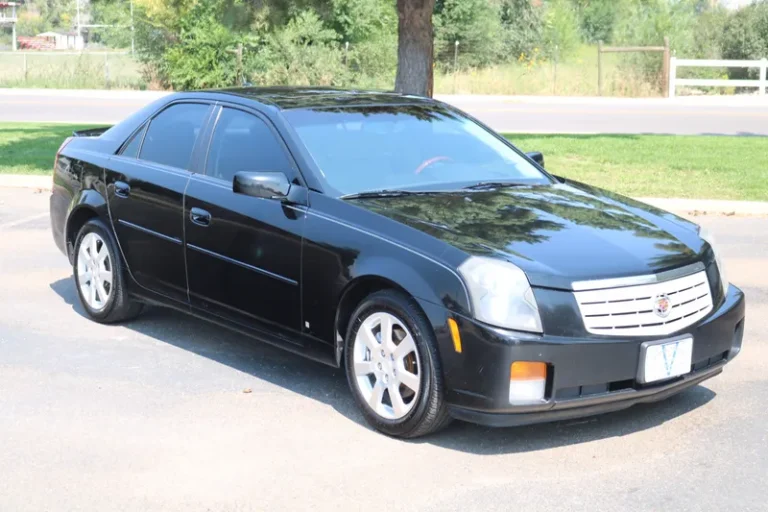
Cadillac Escalade gen 1 1999–2000 Transmission Reliability Under Real Ownership
Overview
The 1999–2000 Cadillac Escalade is old-school truck hardware. Body-on-frame. Longitudinal drivetrain. Real transfer case. No gimmicks.
I’ve worked on these since they were still under factory warranty. Back when customers were shocked a luxury SUV could shift like a farm truck. Underneath the leather and wood trim, this thing is GMT400 Chevrolet C/K DNA. Same bones. Same Tranny. Same weak spots.
No federal safety recall ever nailed this Escalade for transmission failure. Nothing that forced GM to line them up and fix them. But NHTSA complaints? They’re there. Loss of 3rd and 4th. Hard 1–2 shifts. “Service 4WD” messages popping up like a bad Christmas tree light. Patterns don’t lie, even when recalls don’t happen.
GM did release bulletins. Real ones.
- TSB 00-03-09-003 – Driveshaft clunk from slip yoke bind.
- TSB 99-04-21-005 – NP246 transfer case encoder motor diagnosis and replacement.
- TSB 01-07-30-023 – Harsh shifting in 4L60-E units across truck platforms.
No special warranty extension. No customer satisfaction campaign. If it failed outside 3/36, you paid. That’s how this generation played out.
Which Transmissions It Uses
One transmission. That’s it. No options. No heavy-duty upgrade hiding in some trim package.
- 4L60-E
4-speed automatic
Longitudinal RWD with part-time 4WD
Paired with 5.7L L31 Vortec V8 (330 lb-ft / 447 Nm)
Model years: 1999–2000 Escalade
No 4L80-E. No AWD-only variant. If you’re looking at a first-gen Escalade, it has a 4L60-E. Period.
Behind it sits the NP246 Autotrac transfer case. Chain-driven. Electronically shifted. Push-button 2HI, 4HI, 4LO. When it works, it’s fine. When it doesn’t, it’s annoying.
Main Failure Patterns
3–4 Clutch Pack Wear – The Classic
This is the big one.
The 4L60-E lives and dies by heat. Get the fluid over 200°F (93°C) regularly, tow heavy, don’t change fluid, and the 3–4 clutch pack starts cooking. Once the friction material thins out, you lose 3rd. Then 4th. Sometimes both at once. I’ve seen dozens come in stuck in 2nd, revving high, customer thinking the engine’s blown.
Service Bay Benchmark: 90,000–150,000 miles (145,000–241,000 km). Earlier if abused. Later if maintained.
Drop the pan and you’ll see it. Dark fluid. Friction dust. Sometimes shavings if the failure went messy.
Pressure Control Solenoid and Valve Body Wear
Hard 1–2 shift. Bang into gear. Customer says it “slams.”
The EPC solenoid controls line pressure. Over time, the valve body bores wear. Pressure gets erratic. Shifts get aggressive or flare. GM addressed this in TSB 01-07-30-023 for truck platforms running the 4L60-E.
In my experience, once these cross 100,000 miles (160,000 km), you start feeling it. Some owners ignore it. Some think it’s normal truck behavior. It’s not. It’s wear.
Reaction Sun Shell Failure
This part is weak. Stamped steel. Thin splines.
When it strips, you lose reverse. Sometimes 2nd gear too. The Tranny feels like it just gave up.
I don’t rebuild a 4L60-E without upgrading the sun shell. Most builders install a hardened version. If a shop didn’t mention that during a rebuild, I’d question the job.
Service Bay Benchmark: 120,000+ miles (193,000+ km). It’s mileage-dependent and load-dependent. Heavy trucks stress it harder.
NP246 Encoder Motor Failure
This one’s electrical. Sort of.
The encoder motor has internal position sensors and reduction gears. Moisture sneaks in. Wear builds. Then the transfer case forgets where it is. TSB 99-04-21-005 covers diagnosis and replacement.
- “Service 4WD” message
- Won’t shift into 4LO
- Stuck in 2HI
Service Bay Benchmark: 60,000–120,000 miles (97,000–193,000 km).
It’s not catastrophic. Just irritating. And customers hate lights on the dash.
Slip Yoke Clunk
Clunk. Stop. Clunk again.
Rear driveshaft slip yoke splines dry out and bind. Suspension compresses, torque loads, and it releases with a thud. GM issued TSB 00-03-09-003. Clean and grease it. Sometimes install a revised yoke.
It feels dramatic. It isn’t. This isn’t the Tranny grenading. It’s a lubrication problem.

G80 Gov-Lock Differential Shock
The G80 locking differential engages abruptly. That’s how it works.
On mixed traction—wet pavement, gravel—it can lock hard. I’ve seen carrier damage when drivers stab the throttle mid-turn. Not common in calm driving. More common in aggressive use.
It’s a mechanical system. No electronics smoothing it out.
Typical Repair Costs
Let’s talk money. Because this is where people get quiet.
| Repair Type | Parts (USD $) | Labor (USD $) | Total (USD $) | Mileage Context |
|---|---|---|---|---|
| 4L60-E Rebuild (standard) | $1,200–$2,000 | $900–$1,500 | $2,100–$3,500 | After clutch failure |
| 4L60-E Rebuild (upgraded hard parts) | $1,800–$2,800 | $1,000–$1,600 | $2,800–$4,400 | High-mileage units |
| NP246 Encoder Motor | $250–$400 | $250–$450 | $500–$850 | 60k–120k miles |
| Rear Differential Rebuild (G80) | $500–$900 | $700–$1,200 | $1,200–$2,100 | After shock damage |
| Slip Yoke Service | $20–$150 | $100–$250 | $150–$350 | Any mileage |
A proper rebuild with upgraded internals is worth it. A cheap rebuild is a band-aid fix. I’ve seen budget jobs come back in under 20,000 miles, lunching gears again because someone reused tired hard parts.
Best and Worst Years
| Year | Configuration | Complaint Pattern | Dominant Issue | Overall Risk |
|---|---|---|---|---|
| 1999 | 5.7L + 4L60-E 4WD | Moderate volume | 3–4 clutch wear, slip yoke clunk | Medium |
| 2000 | 5.7L + 4L60-E 4WD | Moderate volume | Harsh shifts, encoder motor | Medium |
No mechanical redesign between the two years. Same hardware. Same behavior. Condition beats model year every time.
Warning Signs & Early Detection
- Delayed engagement into Drive or Reverse
- RPM flare between 2–3 or 3–4
- Burnt fluid smell
- Brown fluid instead of red
- Transfer case won’t change modes
- Clunk from the rear at low speed
I always tell buyers: drive it fully warm. Fifteen minutes minimum. Cold transmissions lie. Heat exposes problems.
Scan it. Look at pressure control codes. Check transfer case module data. A $150 diagnostic session can save you $3,500. That’s not dramatic. That’s reality.
When to Walk Away
No 3rd. No 4th. Metal in the pan.
If it slips in multiple gears and the seller says “just needs fluid,” walk. That’s fantasy. If reverse is gone, sun shell likely failed. If the transfer case keeps throwing mode codes after an encoder motor replacement, something deeper is wrong.
Unknown rebuild history at 160,000 miles (257,000 km)? That’s a ticking time bomb unless priced accordingly.
Ownership Reality
| OEM Guidance | Real-World Outcome | Cost Consequence |
|---|---|---|
| Extended fluid intervals | Fluid overheats under towing and load | 3–4 clutch wear |
| Stock cooling system sufficient | Temps exceed 200°F (93°C) towing | Shortened Tranny life |
| Transfer case fluid rarely emphasized | Contamination accelerates encoder wear | Shift motor replacement |
| Gov-Lock provides traction automatically | Abrupt engagement shocks carrier | Differential rebuild |
I don’t follow “lifetime fluid” myths. Thirty to forty thousand miles (48,000–64,000 km) between services is smarter. Fresh fluid is cheap. Rebuilds aren’t.
These trucks reward maintenance. Ignore them and they punish you.
Lawsuits, Complaints & Regulatory History
No class action focused on this Escalade transmission.
NHTSA complaints cluster around:
- Loss of propulsion after 3–4 clutch failure
- Harsh shifting events
- Transfer case engagement faults
No ODI investigation escalated into a recall for the Tranny or transfer case on these years. That doesn’t mean failures didn’t happen. It means they didn’t meet recall thresholds.
Bottom Line
This first-generation Escalade runs a simple, old-school drivetrain. The 4L60-E isn’t garbage. It’s just sensitive to heat and neglect.
Maintain it. Service it. Upgrade weak internals during rebuild. Do that and 180,000 miles (290,000 km) or more is realistic. Abuse it, tow heavy without extra cooling, skip fluid changes, and you’ll be pricing a rebuild closer to 120,000 miles (193,000 km).
It’s a medium-risk setup. Manageable. Predictable. And in my experience, far less scary than many modern over-engineered units that cost twice as much to fix.