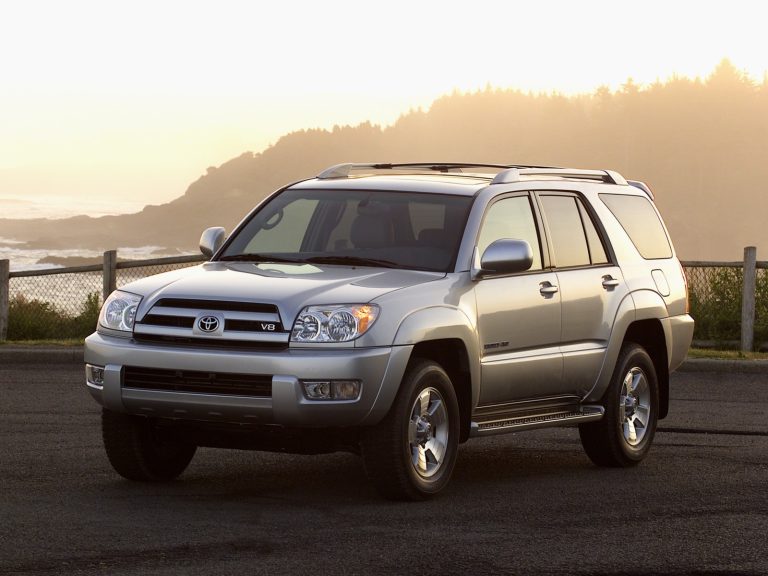
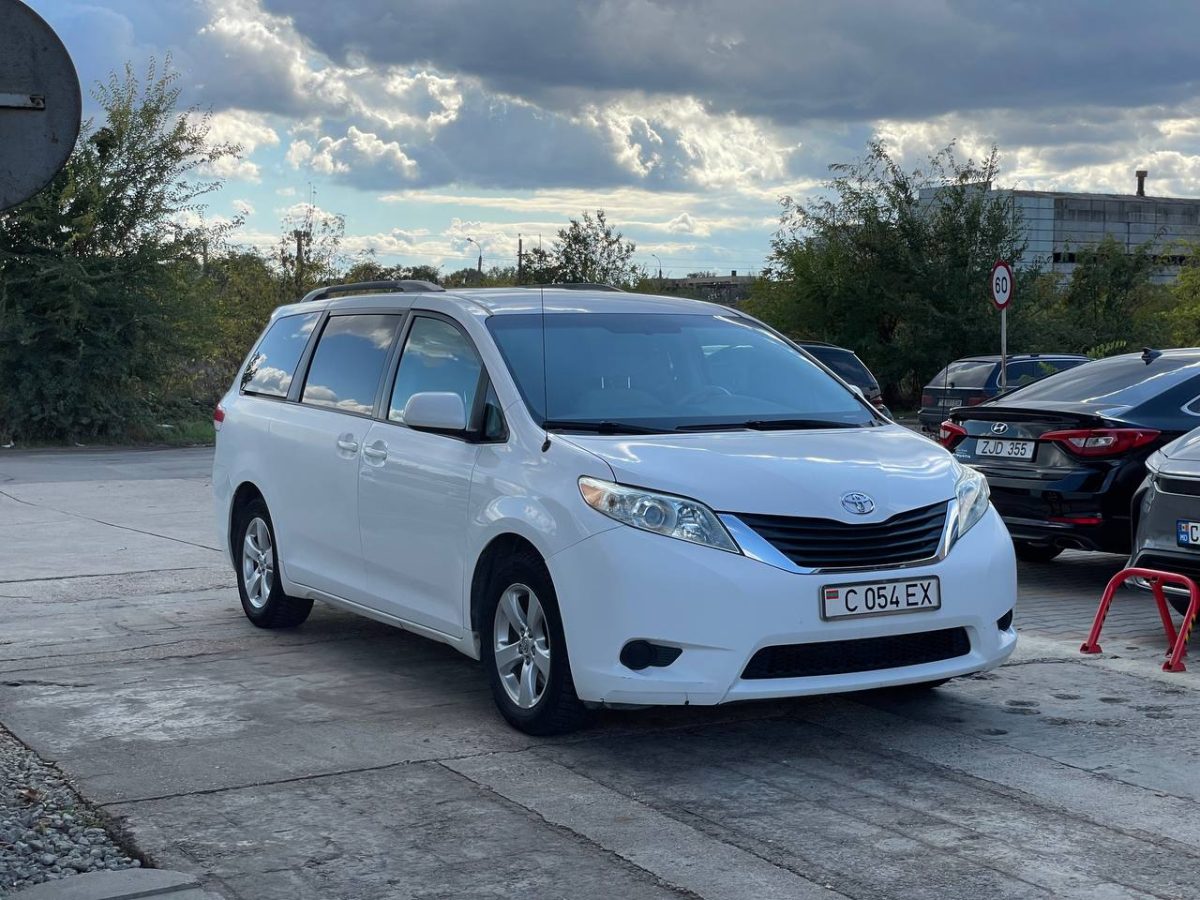
Toyota Sienna gen 3 2011–2020 Transmission: Common Issues and Expert Verdict
Overview
I’ve been inside a lot of Siennas. Soccer-hauler miles. Highway commuter miles. Uber miles. This generation — 2011 through 2020 — is mostly solid from a drivetrain standpoint, but there are two very specific landmines you need to understand before you call it bulletproof.
First one is simple. NHTSA Recall 11V306, Toyota campaign B0H. 2011 model year, AWD only. The right-hand front driveshaft didn’t get heat-treated correctly on certain builds. Metal too soft. Under load it can fracture. When it breaks, you lose propulsion. No drama, no warning chime, it just quits pulling.
I’ve seen one come in on a flatbed. Customer thought the transmission grenaded. It didn’t. The shaft just snapped.
Second big one: CSP ZJC on certain 2017–2018 models with the UA80 8-speed. Internal washer tab not bent enough during assembly. Retaining nut backs off over time. Then you get whine. Harsh shifts. Reduced power. Sometimes a Christmas tree of DTCs. That’s not a fluid issue. That’s mechanical inside the tranny.
Then there’s T-SB-0024-16 on 2015–2016 units — grease leaking from the outer CV joint clamp. Annoying. Messy. Not usually catastrophic unless ignored.
This platform runs two transmission families. The 6-speed U660/U760 units. And the later UA80 8-speed. Very different personalities.
Which Transmissions It Uses
U660E
- U660E 6-speed automatic
- FWD
- 2.7L 1AR-FE
- Used 2011–2012
U660F
- 6-speed automatic
- AWD
- 3.5L 2GR-FE
- Used 2011–2012
U760E
- U760E 6-speed automatic
- FWD
- 3.5L 2GR-FE
- Used 2013–2016
U760F
- U760F 6-speed automatic
- AWD
- 3.5L 2GR-FE
- Used 2013–2016
UA80E
- UA80E 8-speed automatic
- FWD
- 3.5L 2GR-FKS
- Used 2017–2020
UA80F
- 8-speed automatic
- AWD
- 3.5L 2GR-FKS
- Used 2017–2020
No manuals. No CVTs. No DCT experiments. Just traditional torque-converter automatics.
Main Failure Patterns
2011 AWD Driveshaft Fracture – Recall 11V306
This one is black and white. Certain 2011 AWD vans left the factory with a right-hand front driveshaft that wasn’t heat-treated correctly. Metal hardness out of spec. Over time, under torque load, the shaft can crack and then break.
No gradual clunk. No vibration. It just stops pulling.
If you’re shopping a 2011 AWD, run the VIN. Don’t assume. I’ve seen used lots sell them with open recalls because nobody bothered to check.
UA80 8-Speed Washer Tab Issue – CSP ZJC
This is the big one for the 2017–2018 builds.
Inside the UA80 there’s a retaining nut secured by a washer tab. On certain production runs, that tab wasn’t bent sufficiently during assembly. Over time — and I’ve seen this anywhere from 40,000 to 90,000 Miles (64,000–145,000 km) — the nut loosens.
Then the symptoms start. High-pitched whine. Not engine whine. Transmission whine. Harsh shifts that feel confused. Reduced power mode. DTCs stored for pressure irregularities.
Once it starts making noise, you’re not doing a band-aid fix. You’re replacing the unit. The TSB outlines diagnostics. The CSP extended coverage for specific VIN ranges. If it’s outside coverage, the owner is staring at a serious bill.
This is not caused by skipped fluid changes. I’ve seen pristine service records with the same failure. It’s assembly tolerance. Period.
2015–2016 CV Axle Grease Leakage – T-SB-0024-16
Grease flung around the suspension. Boot looks intact. Clamp area leaking at the outer joint.
Toyota’s fix was straightforward: replace the entire axle assembly with revised parts. Don’t throw a boot kit at it. That’s a waste of time. I’ve seen shops try it. It comes back.
If you catch it early, no big deal. If you ignore it, the joint runs dry, then you’re dealing with clicking on turns and vibration under load.
U660/U760 High-Mileage Wear
The 6-speed units are tough. I’ve seen them cross 250,000 Miles (402,000 km) without being opened. But they’re not magic.
Above about 180,000 Miles (290,000 km), patterns show up:
- Torque converter clutch shudder
- Delayed engagement when cold
- Shift flare between gears
Toyota WS fluid is marketed with no strict change interval in normal service. In the real world, especially U.S. heat and stop-and-go traffic, that fluid cooks. Service Bay Benchmark says 40,000–60,000 Miles (64,000–96,000 km) per drain-and-fill keeps these alive longer.
Operating temps usually hover around 180–200°F (82–93°C). You start living above 220°F (104°C), the clutch material wears faster. Seen it. Smelled it. Dark fluid, slight burnt odor, fine shavings in the pan.
Typical Repair Costs
Let’s talk money. Because this is where the conversation changes tone fast.
| UA80 Transmission Replacement | $4,500–$6,000 parts | $1,200–$1,800 labor | $5,700–$7,800 total | Industry Estimate |
| U660/U760 Rebuild | $2,500–$3,500 parts | $1,500–$2,000 labor | $4,000–$5,500 total | Industry Estimate |
| Front Axle Shaft Replacement | $250–$450 parts | $150–$300 labor | $400–$750 total | Service Bay Benchmark |
| Axle Seal Replacement | $20–$60 parts | $250–$400 labor | $300–$460 total | Service Bay Benchmark |
| Transmission Drain & Fill | $80–$150 parts | $150–$250 labor | $230–$400 total | Industry Estimate |
If a UA80 fails outside CSP coverage, that’s a wallet punch. No sugarcoating it.
Best and Worst Years
| 2011 AWD | U660F | Medium Risk | Driveshaft recall exposure | Recall 11V306 |
| 2012–2014 | U660/U760 | Low Risk | Normal wear only | No major recall |
| 2015–2016 | U760 | Low–Medium Risk | Axle grease TSB | TSB only |
| 2017–2018 | UA80 | Elevated Risk (VIN specific) | Internal washer tab issue | CSP ZJC |
| 2019–2020 | UA80 | Low–Medium Risk | Standard 8-speed behavior | No major active CSP |
The risk isn’t spread evenly. It’s concentrated in specific builds.
Warning Signs & Early Detection
Listen to it. Drive it. Feel it.
- High-pitched whine under light throttle (UA80 red flag)
- Harsh or confused shifting
- Delayed engagement into Drive or Reverse
- Grease sprayed near the CV joint
- Transmission-related codes stored
A drain-and-fill replaces about 3.5–4.5 Quarts (3.3–4.3 Liters) depending on version. If the fluid comes out dark with metallic sheen, that tells a story.
I always tell buyers: spend the money on a proper scan. Look at stored codes, not just active ones. Hidden history matters.
When to Walk Away
Some vans are fine. Some are ticking time bombs.
- 2017–2018 UA80 with active whine and no CSP coverage left
- 2011 AWD with no recall documentation
- Metal shavings visible during fluid service
- Multiple prior transmission replacements
If it’s already lunching gears or surging unpredictably, don’t convince yourself it’s “just a software update.” It isn’t.
Ownership Reality
| OEM Position | Real-World Experience | Cost Consequence |
| No fixed WS fluid interval in normal schedule | Fluid breakdown visible past 60k Miles (96k km) | $4,000+ rebuild exposure |
| CSP limited by time from first use | Failures sometimes appear after coverage ends | $6,000+ replacement risk |
| AWD requires minimal attention | Axle seals and CV joints wear past 100k Miles (160k km) | $300–$1,000 incremental repairs |
The 6-speed units? Solid. Maintain them and they’ll run.
The UA80? Good design, except for that specific washer-tab production window. Outside that range, I don’t see widespread grenade events.
Lawsuits, Complaints & Regulatory History
No major class action settlement defining this drivetrain.
Regulatory attention focused on two areas:
- Recall 11V306 – 2011 AWD driveshaft
- CSP ZJC – 2017–2018 UA80 internal assembly issue
Complaint clustering happened first. Then Toyota issued corrective action. That’s the pattern here.
Always run the VIN through official recall databases or a dealer service department. Takes minutes. Saves thousands.
Bottom Line
This generation isn’t a disaster. It isn’t flawless either.
The 6-speed U660/U760 years are durable workhorses. The 2017–2018 UA80 builds need scrutiny. The 2011 AWD recall needs verification.
Know the VIN. Check the history. Service the fluid. Do that, and this platform can run a long, uneventful life instead of turning into a ridiculous repair story.