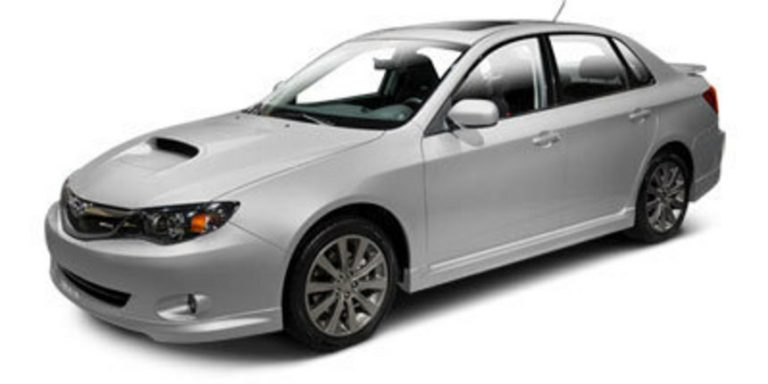
Transmission Issues, Recalls, and Complaints on the Subaru WRX gen 2 2008–2014
Overview
Simple drivetrain. Old-school layout. No tricks.
The 2008–2014 Subaru WRX sticks with a mechanical setup that feels almost outdated compared to newer AWD turbo cars. No CVT nonsense. No dual-clutch drama. Just a 5-speed manual bolted to a viscous center diff and a driveshaft going straight back. That’s it.
In my experience, that simplicity is exactly why these cars are still on the road. But it also exposes their weak points pretty fast. You don’t get hidden failures. You get loud ones. Broken ones. Expensive ones.
Most of what I’ve seen on these isn’t electronic failure or software glitches—it’s mechanical overload, worn-out fluid, or straight-up abuse. And yeah… there’s a lot of abuse with these cars.
Which Transmissions It Uses
| Transmission Code | Type | Gears | Drivetrain | Engine Pairing | Years | Notes |
|---|---|---|---|---|---|---|
| TY751 (multiple suffix variants) | Manual | 5 | Full-time AWD (viscous center differential) | EJ255 2.5L turbo | 2008–2014 | No verified alternative transmissions used in U.S. WRX |
That’s the whole story. One transmission. TY751. No backup option. No upgraded version mid-cycle. Subaru just kept running it.
It’s a combined unit too. Front diff lives inside the tranny case. Center diff is viscous—sealed, no service. Then you’ve got a prop shaft heading to the rear diff.
Clean layout. Easy to understand. Not exactly bulletproof.
Main Failure Patterns
Gear Failure — The Classic WRX Problem
I’ve seen this more times than I can count.
| Symptom | Failure Mode | Root Cause | Typical Mileage | Frequency |
|---|---|---|---|---|
| Grinding or no drive in gear | Gear tooth damage | Torque overload / shock loading | 40,000–100,000 miles (64,000–160,000 km) | Service Bay Benchmark |
This tranny doesn’t like shock loads. Hard launches. Missed shifts. Added boost. All of it stacks up.
What happens? Teeth chip. Then they shear. Then the gearbox is full of metal shavings and you’re done.
And yeah—3rd gear gets the blame a lot. Not officially documented as a defect. But in real shops? It’s a pattern.
Input Shaft Bearings — The Slow Death Noise
This one creeps in.
| Symptom | Failure Mode | Root Cause | Typical Mileage | Frequency |
|---|---|---|---|---|
| Whine in gear, quiet in neutral | Bearing wear | Fluid breakdown / extended intervals | 80,000–140,000 miles (129,000–225,000 km) | Field Observation |
You’ll hear it before it fails. Kind of a high-pitched whine that changes with load.
Most owners ignore it. Bad move.
I’ve opened these up and found pitted bearings, contaminated oil, and glitter—actual metallic shimmer in the fluid. That’s your warning sign. Not a suggestion.
Front Differential Seal Leaks
Messy. Annoying. Easy to ignore until it’s not.
| Symptom | Failure Mode | Root Cause | Typical Mileage | Frequency |
|---|---|---|---|---|
| Oil around axle seals | Seal leakage | Wear and aging | 60,000–120,000 miles (97,000–193,000 km) | Field Observation |
The front diff is inside the tranny. So when those seals leak, you’re not just losing diff oil—you’re losing the same fluid the gears rely on.
I’ve seen people drive these nearly dry. Then wonder why the tranny starts howling.
Viscous Center Differential — Binding Issues
This one confuses people.
| Symptom | Failure Mode | Root Cause | Typical Mileage | Frequency |
|---|---|---|---|---|
| Binding in tight turns | Viscous coupling degradation | Heat / internal fluid breakdown | 100,000+ miles (160,000+ km) | Field Observation |
You’ll feel it in parking lots. Car fights you in low-speed turns.
Most of the time? Tire mismatch. Different tread depths. Different brands. Even small differences matter on AWD.
The viscous unit overheats trying to compensate. Eventually it just… locks up or weakens.
Rear Output Seal Leaks
Not dramatic. Still important.
| Symptom | Failure Mode | Root Cause | Typical Mileage | Frequency |
|---|---|---|---|---|
| Oil at driveshaft connection | Seal wear | Age / shaft movement | 80,000–140,000 miles (129,000–225,000 km) | Field Observation |
Another slow leak. Another ignored issue. Same result—low fluid, worn parts.

Typical Repair Costs
Here’s where people start paying attention.
| Repair Type | Typical Cost (USD) | Notes |
|---|---|---|
| Clutch replacement | $900 – $1,800 | Higher if upgraded parts used |
| Transmission rebuild (TY751) | $2,500 – $4,500 | Depends how badly it grenaded |
| Used transmission replacement | $1,500 – $3,000 | Roll of the dice |
| Reinforced transmission build | $4,000 – $7,500 | Common upgrade route |
| Differential seal repair | $300 – $700 | Labor varies |
| Center differential replacement | $800 – $1,800 | Unit replacement, not repair |
I’ll say it straight—if the gearbox is full of metal, rebuilding stock internals can feel like a band-aid fix. A lot of owners just go straight to a built unit.
Best and Worst Years
| Years | Assessment | Notes |
|---|---|---|
| 2008–2014 | Consistent Risk Profile | No major transmission redesign |
No magic year. No hidden “good batch.”
What matters more is how the car was driven before you got it. I’ve seen clean 150k-mile cars with original gearboxes—and 60k-mile cars with completely destroyed ones.
Warning Signs & Early Detection
| Symptom | Indication | Action |
|---|---|---|
| Grinding | Gear or synchro wear | Stop driving hard immediately |
| Whining noise | Bearing wear | Inspect fluid and plan teardown |
| Oil leaks | Seal failure | Fix before fluid loss escalates |
| Binding turns | Center diff issue | Check tires and driveline |
| Vibration | Driveshaft or mount wear | Inspect driveline components |
If you catch these early, you might save the tranny. Ignore them, and it snowballs fast.
When to Walk Away
- Multiple gears grinding
- Visible leaks plus low fluid
- AWD binding during normal driving
- No service records
- Heavily modified with no drivetrain upgrades
I’ve seen buyers ignore these signs because the car “felt fast.” A few weeks later—gearbox gone.
Ownership Reality
| Category | OEM Guidance | Real-World Outcome | Cost Impact |
|---|---|---|---|
| Fluid service | Inspect periodically | Needs 30,000–60,000 mile changes | Skipping leads to wear |
| Torque limits | Stock power levels | Fails under added boost | $3k–$7k upgrades common |
| AWD system | No service required | Extremely tire-sensitive | Center diff damage possible |
| Seal lifespan | Standard wear | Leaks are common with age | Moderate repair costs |
| Used market | Normal wear expected | Huge variation in abuse level | Inspection is critical |
Subaru doesn’t call this a fragile drivetrain. And stock, driven normally—it isn’t.
But once you start pushing it, or skipping maintenance, it turns into a ticking time bomb. I’ve seen it too many times to call it anything else.
Lawsuits, Complaints & Regulatory History
No recall for the transmission. None.
NHTSA complaints exist—gear failures, noise, leaks—but they don’t trigger recall action. These issues fall under wear or usage conditions, not manufacturing defects.
No consistent class action tied directly to this transmission either.
So from a regulatory standpoint, you’re on your own with this one.
Bottom Line
The TY751 5-speed is simple. Mechanical. Honest.
It’ll last if you treat it right. Keep fluid fresh. Don’t shock load it. Keep the tires matched.
Do the opposite?
It’ll lunch gears. Fill itself with shavings. And leave you staring at a repair bill that feels ridiculous for a “simple” transmission.