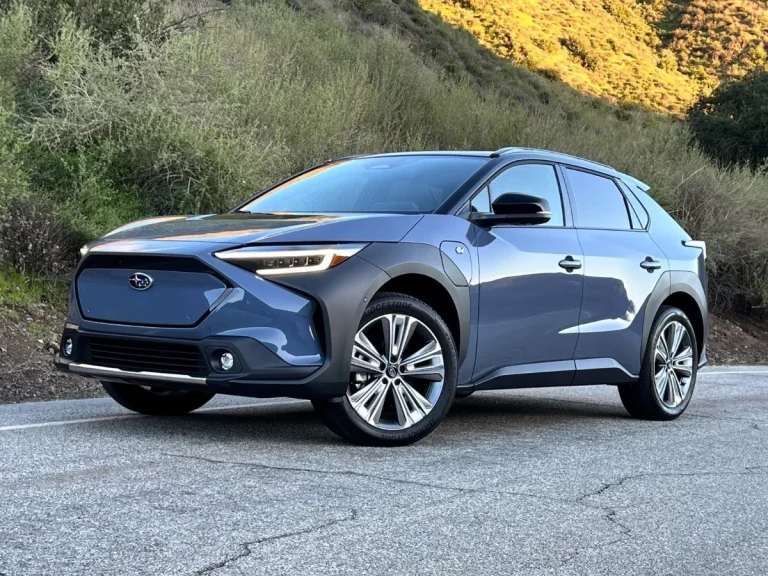
Subaru Crosstrek gen 2 2018–2023 CVT Transmission Reliability Under Real Ownership
Overview
This generation Crosstrek? Simple on paper. Messy in the real world.
You’ve got a longitudinal CVT—Subaru calls it the TR580—bolted to an AWD system with an integrated front diff and a transfer clutch shoved inside the tranny. No traditional gears. No step shifts. Just a steel chain riding variable pulleys and hoping fluid pressure behaves.
And Subaru knew there were issues. They didn’t just quietly fix things—they extended CVT warranty coverage out to 10 years or 100,000 miles (161,000 km) under TSB 16-117-18 and later revisions. Manufacturers don’t do that for fun.
In my experience, that’s your first clue. When a company stretches warranty like that, they’ve seen enough failures internally to get nervous.
The problems here aren’t one-off flukes. They repeat. Same patterns. Same failure paths. Same expensive endings.
Which Transmissions It Uses
| Transmission Code | Type | Drive Layout | Engines | Years | Notes |
|---|---|---|---|---|---|
| TR580 | Chain-driven CVT | AWD | 2.0L FB20, 2.5L FB25 | 2018–2023 | Main unit; integrated front differential and transfer clutch inside the transmission housing |
| TH2A | Hybrid eCVT [AMBIGUOUS] | AWD | 2.0L plug-in hybrid | 2019–2022 | PHEV-only setup; completely different internal behavior |
That’s it. No traditional automatics. No manuals in most trims. No backup option if this one acts up.
Main Failure Patterns
Control Valve and Solenoid Electrical Faults
This one shows up all the time. I’ve seen dozens.
Codes like P2763, P0974, P0977, P2721. Subaru addressed it in TSB 16-149-25, and the root cause isn’t exotic—it’s moisture. Plain old condensation creeping into the connector area inside the CVT.
Water plus electronics equals chaos.
You get warning lights. Limp mode. Weird ratio behavior where the car feels like it’s confused about what gear it wants—even though it technically doesn’t have gears.
Service Bay Benchmark: once those solenoids start acting up and the harness gets contaminated, you’re usually not cleaning anything. You’re replacing the control valve assembly. Sometimes the harness too.
It’s not a cheap fix. And it’s not rare.
CVT Chain Slip Condition
This is the big one. The scary one.
Subaru actually built a whole diagnostic procedure around it—TSB 16-132-20R—using SSM data to confirm chain slip. That alone tells you how often they see it.
What it feels like:
- Vibration under load
- Droning or whining noise
- Acceleration that feels… off
Not dramatic at first. Subtle. Then worse.
Here’s the problem—once that chain starts slipping, the damage is already happening inside. Metal on metal. Heat. Wear. Tiny shavings floating in fluid.
And Subaru’s fix? Replace the entire transmission.
No rebuild procedure in the field. No internal repair kit. Just pull it out and drop in another unit.
Service Bay Benchmark: confirmed chain slip = new CVT. End of discussion.
Fluid Pressure Control Error (DTC P0841)
This one confuses a lot of people.
TSB 16-111-18R covers it—P0841 is a fluid pressure control issue. Usually tied to contamination inside solenoids.
Subaru’s fix? Reflash the TCM. Reset learning. Send it.
Sometimes it works. Sometimes it’s a band-aid.
Field Observation: if that code comes back after the update, you’re not dealing with software anymore. Something inside the valve body is already dirty or wearing out.
External Fluid Seepage
Leaks. Yeah, these have them too.
TSB 16-103-16R calls out seepage from the oil pump chain cover and input shaft seal. Sounds minor. It isn’t.
CVTs hate low fluid. They don’t tolerate it like old-school automatics.
Even a slow seep can throw off pressure, increase heat, and accelerate internal wear.
Fixing it isn’t quick either. You’re pulling the tranny, resealing surfaces, replacing seals. Labor-heavy job for what looks like a small leak.

Rear Differential Noise (R152)
Separate issue. Still part of the drivetrain headache.
TSB 03-87-21 covers a humming or high-pitch noise from the rear diff. The R152 unit.
You’ll hear it on the highway. Gets louder with speed. Sometimes sounds like bad wheel bearings—but it’s not.
Subaru says it’s gear wear under harsh conditions—heat, load, rough roads.
Reality? Once it starts, it doesn’t fix itself. You replace the differential.
Typical Repair Costs
| Repair Type | Typical Cost (USD) | Basis | Notes |
|---|---|---|---|
| Control valve / valve body replacement | $1,200–$2,200 | Industry Estimate | Often includes electrical diagnostics and connector inspection |
| Full CVT replacement (TR580) | $7,000–$9,500 | Industry Estimate | This is the big hit when the tranny goes |
| Seal reseal / input shaft repair | $800–$1,800 | Industry Estimate | Labor-heavy; removal required |
| Rear differential replacement | $1,500–$2,800 | Industry Estimate | Noise-related failure |
| CVT fluid service | $250–$450 | Service Bay Benchmark | Drain and fill—not officially required, but skipping it is a mistake |
That CVT replacement number? That’s the one that ruins ownership for people.
Best and Worst Years
| Year Range | Observed Pattern | Notes |
|---|---|---|
| 2018 | Early control system updates | First year quirks; TCM updates issued |
| 2019–2020 | Warranty extensions applied | Subaru reacting to failure data |
| 2021–2023 | Connector and valve diagnostics refined | Same hardware, updated procedures |
Projected Rating: no year here is “fixed.” They just got better at diagnosing the same problems.
Warning Signs & Early Detection
| Symptom | Associated Condition | Recommended Action |
|---|---|---|
| P0841 code | Pressure control issue | Run TCM update, monitor closely |
| Multiple solenoid codes | Valve body / wiring issue | Inspect harness and control valve |
| Vibration under load | Possible chain slip | Immediate diagnostic—don’t wait |
| Fluid seepage | Seal failure | Fix before fluid drops |
| Humming from rear | Differential wear | Confirm source before replacing parts |
Early detection matters more here than most vehicles. Once internal wear starts, it snowballs.
When to Walk Away
| Condition | Risk Level | Reason |
|---|---|---|
| Confirmed chain slip | High | Transmission is basically done |
| Multiple persistent CVT codes | High | System-wide control issues |
| Active fluid leaks | Moderate–High | Can lead to internal damage fast |
| Rear diff noise | Moderate | Replacement likely needed |
If you’re shopping used and see any of this? Walk. There are easier cars to own.
Ownership Reality
| Category | OEM Guidance | Real-World Outcome | Cost Impact |
|---|---|---|---|
| CVT fluid | No scheduled interval | Service Bay Benchmark: needs regular changes | Skipping service leads to internal wear |
| Warranty | 10yr / 100k miles | Failures often near or after limit | Out-of-pocket repairs are expensive |
| Repairability | Diagnostic procedures available | Field Observation: replacement is common outcome | Higher total ownership cost |
| AWD system | Low maintenance | Rear diff wear documented | Additional repair expense |
| System complexity | Electronically controlled CVT | Multiple TSB updates over time | More diagnostic labor |
Subaru calls the fluid “lifetime.” I don’t agree. Never have.
You run this thing 100,000 miles (161,000 km) on original fluid, you’re gambling with a very expensive piece of hardware.
Lawsuits, Complaints & Regulatory History
No major recall tied directly to the TR580 in this generation. That’s important.
But look at the pattern:
- TSB 16-117-18 — warranty extension
- TSB 16-111-18R — pressure control updates
- TSB 16-132-20R — chain slip diagnostics
- TSB 16-149-25 — control valve issues
- TSB 03-87-21 — differential noise
That’s a lot of paperwork for one drivetrain.
NHTSA complaints mention hesitation, warning lights, strange behavior. Not isolated cases.
You don’t always get a recall when something’s weak. Sometimes you get TSBs and extended warranties instead. This is one of those situations.
Bottom Line
This drivetrain works. Until it doesn’t.
The TR580 CVT isn’t garbage across the board—but it’s sensitive. Fluid condition matters. Heat matters. Small problems turn into big ones quickly.
When it fails, it fails expensive.
Projected Rating: middle-of-the-road reliability with high repair risk.
In my experience, the owners who stay ahead of maintenance and catch issues early do okay. The ones who trust “lifetime fluid” and ignore warning signs?
They’re the ones buying transmissions.