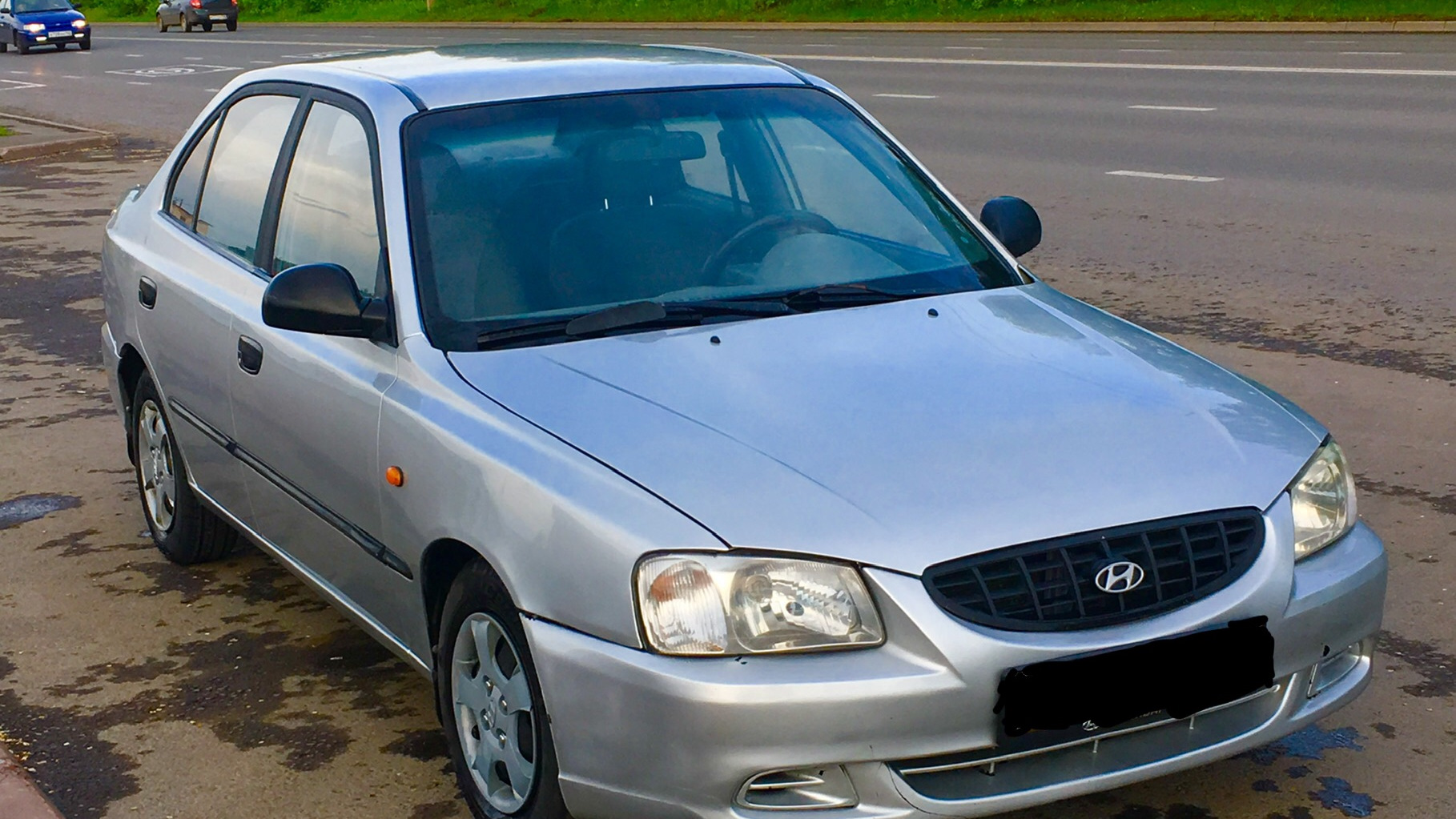
Is the Hyundai Accent gen 2 2000–2005 Transmission a Reliability Risk?
Overview
This is about the 2000–2005 Hyundai Accent drivetrain. Transmission and driveline only. No engine drama unless it directly messes with shift function.
These cars are simple. That’s the good news.
The bad news is also simple: people (and shops) still manage to turn a basic problem into a “needs a tranny” invoice. I’ve seen it more times than I can count. A4AF3 goes limp, gets stuck in 3rd, and suddenly everybody’s talking replacement… when the root cause is a sensor signal or a crusty connector doing what crusty connectors do.
Regulatory trigger up front because it matters: NHTSA Campaign 09V280000 (Hyundai Caribbean–Puerto Rico) describes a stop lamp switch failure that can mess with the brake-transmission shift interlock (BTSI) and keep the shifter locked in PARK. It’s market-channel specific. Don’t guess. Run the VIN through NHTSA’s VIN recall lookup and verify with Hyundai by VIN.
Beyond that recall, the real story on this platform is in Hyundai service bulletins. The patterns aren’t mysterious. They’re just messy. Electrical limp-in. Fluid leaks. Wear and tear.
Which Transmissions It Uses
A4AF3
- Official model code: A4AF3
- Gear count: 4
- Drive layout: FWD
- Engine pairing (U.S. market): 1.5L and 1.6L gasoline inline-4 variants used in this generation
- Production years within this platform range: 2000–2005
No verified alternative automatic transmission model codes were used for this generation in the stated year range. If somebody tells you there’s “the other automatic,” make them prove it. Most can’t.
M5AF3
- Official model code: M5AF3
- Gear count: 5
- Drive layout: FWD
- Engine pairing (U.S. market): 1.5L and 1.6L gasoline inline-4 variants used in this generation
- Production years within this platform range: 2000–2005
No verified alternative manual transmission model codes were used for this generation in the stated year range.
Main Failure Patterns
A4AF3 limp-in to 3rd gear from pulse generator faults (P0722 / P0717)
This is the one that gets people. Car drives, but it drives wrong. Stuck in 3rd. Feels like the tranny “grenaded.” Except… it didn’t. A lot of times it’s just doing fail-safe because it lost a speed signal.
Hyundai’s own bulletins call the speed inputs “pulse generators” (PG-A and PG-B). Same idea: the TCM needs those signals. No signal, no trust, so it goes limp.
What I see when one rolls into the bay:
- Check Engine Light on
- Harsh shifting, weird shift timing, sometimes it bangs like it’s mad
- Normal shift pattern gone, car feels “locked” into a single gear (often 3rd)
- DTCs that keep showing up: P0722 (no pulse generator-B signal); depending on conditions and which bulletin coverage you’re in, P0717 (no pulse generator-A signal) and P1624 (MIL-on request from TCM) can show up too
Hyundai TSB 03-40-016 is the tight one: it targets 2000–2002 Accent automatics for P0722 with third-gear fail-safe, and it lays out a path that includes inspecting pulse generator-B and reprogramming the TCM. It also includes build-date boundaries and VIN endpoints (3-door vs 4-door). That’s a big deal. It means the factory didn’t treat it like “every car ever.”
TSB 03-40-022 is broader. It covers pulse generator DTCs like P0717 and P0722 for Accents across a wider year span (as listed in that bulletin), and it calls out the ugly truth: the condition can be intermittent and hard to duplicate. Yep. That tracks. I’ve had cars behave perfectly cold, then start acting ridiculous after heat soak or a wet morning commute.
Failure mechanism, the way it actually plays out:
- Electrical failure mode: weak/dirty sensor signal, connector corrosion, terminal tension issues, harness damage
- Control outcome: TCM loses a speed reference, runs a protection strategy
- Customer-facing reality: “my transmission died” even though the geartrain may still be fine
And here’s where people get burned. Misdiagnosis. If a shop jumps straight to “replace the tranny” because it’s in 3rd-gear fail-safe, they’re skipping the work. The boring work. Scan, verify, pin checks, connector inspection, bulletin logic. That boring stuff saves you real money.
ATM diode corrosion causing fail-safe and multiple range/logic DTCs (2000–2002 A4AF3)
TSB 03-40-001 is a classic. It documents corrosion at an “ATM diode” pin in the control wiring harness behind the dash panel on 2000–2002 Accent automatics, tied to water intrusion from the cowl top area through an improperly sealed harness grommet.
Cheap little water path. Big stupid symptoms.
What it tends to look like (straight out of the bulletin’s symptom set):
- Harsh shifting
- Transaxle held in 3rd gear fail-safe
- DTCs listed include P0707, P0708, P1529, P1586
The most important part isn’t the code list. It’s the direction: the bulletin pushes you away from replacing the transaxle and toward fixing the harness/diode and stopping the water intrusion. In my experience, when this gets “slapped on” with a band-aid fix (clear codes, send it), it comes back. Water doesn’t stop being water.
ATF leaks at the bellhousing/torque converter area (A4AF3)
Hyundai TSB 06-40-002 covers automatic transaxle oil leaks behind the torque converter, where the leak can show at the bellhousing drain hole. It also states it supersedes an older bulletin (01-40-021) to add more models.
Leaks are boring until they aren’t.
Owner complaints I hear:
- Red/pink fluid drips under the front of the car
- Burnt ATF smell after a drive
- Shift flare, delayed engagement, then it starts slipping because the unit is running low
Here’s the ugly chain: small leak → ignored → low fluid → aeration → line pressure drops → clutches get cooked → now the tranny is actually failing. That’s not “Hyundai magic,” that’s basic hydraulics. Once it’s been run low long enough, you’re not fixing it with fluid and prayers. You’re pricing a rebuild or a replacement.
Economics? This is the kind of leak that makes you swear, because repairing it often means pulling the transaxle. Labor-heavy. The seal itself is cheap. The job is not.
Harsh or delayed engagement Park-to-Drive / Park-to-Reverse (A4AF3)
TSB 02-40-010 addresses harsh or delayed engagement on P→R or P→D. It starts with the basics: check ATF level (and it references a fluid-check bulletin), confirm idle speed, inspect mounts, scan for DTCs. It’s a “don’t be a hero” bulletin.
Two things get blamed on the tranny all the time:
- Low/incorrect ATF level causing delayed apply or a lazy engagement
- Worn mounts making a normal engagement feel like a hammer hit
People forget mounts exist. Then they think the transmission is lunching itself. Nope. Sometimes it’s just sloppy drivetrain control because the rubber’s done.

Manual transaxle (M5AF3) wear patterns: synchros, bearings, and clutch system
The manual side is usually straightforward. The M5AF3 doesn’t have a reputation for randomly exploding. When it’s ugly, it’s usually because the car’s been treated like a rental and maintained like a shopping cart.
Stuff I’ve seen on higher-mileage units:
- 2nd gear synchro wear: grind, block-out, “it won’t go in unless I double-clutch”
- Input shaft bearing noise that changes with load and gear selection
- Clutch wear: slip under load, high engagement point, chatter/shudder
- Release problems from hydraulics (where equipped) causing gear clash that people mislabel as a “bad transmission”
Gear oil matters. Driving style matters. Multiple drivers over multiple years matters. That’s the whole story.
Typical Repair Costs
Prices are all over the map. Dealer, independent, your region, how rusty the car is, whether bolts snap, whether the last guy butchered wiring. So I’m giving Service Bay Benchmarks—ranges I’ve seen in normal U.S. shop life, not fantasy numbers from a parts site.
| Repair / Service | Primary Failure Pattern | Typical Parts (USD) | Typical Labor (USD) | Total (USD) | Notes |
|---|---|---|---|---|---|
| Scan + electrical diagnosis (A4AF3) | Limp-in / harsh shift with DTCs (P0722, P0717 family; range/logic DTCs) | $0–$50 | $120–$220 | $120–$270 | First step. Saves you from replacing a healthy geartrain. |
| Pulse generator / speed-signal repair path (A4AF3) | P0722 fail-safe (TSB 03-40-016) / pulse generator DTCs (TSB 03-40-022) | $80–$250 | $180–$420 | $260–$670 | Connector work can be the whole job; reprogramming can add cost if you need dealer-level tooling. |
| Water intrusion / harness repair (A4AF3, early years) | ATM diode corrosion pattern (TSB 03-40-001) | $30–$150 | $250–$600 | $280–$750 | Interior access time and corrosion extent decide the bill. |
| ATF service (A4AF3) | Preventive or shift-quality complaint (non-catastrophic) | $40–$120 | $120–$220 | $160–$340 | Correct fluid spec matters. Avoid a “flush” if it’s already slipping and full of shavings. |
| Bellhousing/torque converter area leak repair (A4AF3) | Leak behind torque converter (TSB 06-40-002) | $40–$200 | $900–$1,700 | $940–$1,900 | Transaxle removal is usually the reality. Seal is cheap. Labor isn’t. |
| Used/reman transaxle replacement (A4AF3) | Slip/burnt fluid, internal damage after low-ATF operation | $900–$3,200 | $900–$1,800 | $1,800–$5,000 | At that point you’re doing math: car condition, rust, tires, brakes, everything. |
| Clutch replacement (M5AF3) | Clutch slip, shudder, or release problems | $250–$700 | $700–$1,300 | $950–$2,000 | Flywheel work can add cost. Hydraulics can add cost. Broken fasteners can add cost. Welcome to old-car life. |
Best and Worst Years
There isn’t some magic year where the transmission changes into a different beast. Same basic hardware, same basic story. The difference is exposure to specific bulletin-documented electrical problems and whether you’re inside the affected build/VIN windows for certain issues like the P0722 fail-safe bulletin coverage.
| Model Year | Primary Transmission Risk Drivers | Documented Bulletin Exposure | How I Rate Purchase Risk Today | Why |
|---|---|---|---|---|
| 2000 | Electrical limp-in, water intrusion patterns, early-build controls | High (TSB 03-40-001; TSB 03-40-016 applicability overlaps early builds; broader pulse generator bulletin coverage) | Medium | More likely to show “stuck in 3rd” symptoms from aging connectors/harnesses. |
| 2001 | Same early A4AF3 electrical patterns; age-related leaks | High (same core bulletins apply to 2000–2002 autos) | Medium | Gets misdiagnosed a lot. You buy condition and diagnosis quality, not a year badge. |
| 2002 | Late production within 2000–2002 scope; leaks and maintenance dominate | High but VIN/build dependent (TSB 03-40-016 includes build-date and VIN endpoints) | Low–Medium | Outside the affected window and maintained? Many are fine. Inside it, you want proof it was fixed correctly. |
| 2003 | Wear/leaks dominate; intermittent speed-signal faults still possible | Moderate (pulse generator bulletin family can still guide diagnosis) | Low–Medium | Fewer early-build harness vulnerabilities; the car’s history matters more than the calendar. |
| 2004 | Maintenance and leak history dominate outcomes | Moderate | Low–Medium | Age-driven stuff. Fixable stuff. Unless it’s been run low on fluid for years. |
| 2005 | Same hardware, same leak risks; recall applicability depends on market channel | Moderate; plus recall 09V280000 (market-specific) | Low–Medium | Verify BTSI/stop lamp switch recall status by VIN where applicable. Don’t assume. |
Warning Signs & Early Detection
What I treat as “stop and investigate” signs
- A4AF3 stuck in one gear (especially 3rd) or shift pattern is gone
- Harsh shifts that repeat after warm-up, not just one weird event
- Delayed engagement into Drive or Reverse
- ATF leaks near the bellhousing drain area
- Burnt ATF smell, dark fluid, or evidence it’s been run low
- M5AF3 2nd gear grind, or a bearing whine that changes with throttle load
What a real inspection looks like (not a parking-lot guess)
| Inspection Step | Applies To | What It Catches | Why It Matters |
|---|---|---|---|
| Full OBD-II scan with freeze frame | A4AF3 (and TCM reporting through powertrain data) | P0722/P0717-family, range/logic DTCs, stored history | Separates electrical fail-safe from a truly cooked tranny. |
| Underbody leak inspection | Both | Bellhousing leak clues, axle seal leaks, wet CV boots | Leaks are how a decent trans turns into a ticking time bomb. |
| Engagement check (P→D, P→R) | A4AF3 | Delayed apply, harsh apply | Matches the bulletin-guided diagnostic path (TSB 02-40-010). |
| Mount and axle/CV evaluation | Both | Mount collapse, CV clicking, vibration under load | Stops you from blaming the tranny for driveline-induced harshness. |
| Manual shift quality check | M5AF3 | Synchro wear, clutch release issues | Manual problems are fixable, but labor isn’t free. |
When to Walk Away
Sometimes the right call is leaving it right there in the driveway. No guilt.
- Automatic in limp-in with a bunch of DTCs and the seller says “it just needs a transmission” with zero diagnostic proof
- Active ATF leak at the bellhousing plus burnt smell and slip (that combo is bad news)
- Repeated fluid top-offs, no real repair history, and harsh engagement—means the leak has been ignored a long time
- Manual that’s lunching gears in more than one gear and also has bearing noise
- Any deal where the transaxle budget is sniffing the car’s real value in your area
Ownership Reality
These cars can be cheap transportation. They can also become a slow financial bleed if you keep treating obvious problems like background noise.
People love “lifetime fluid.” I’ve been doing this a long time. Lifetime fluid is a joke when the car’s lifetime turns into 20+ years, heat cycles, stop-and-go, and owners who never touch the service book.
| Topic | OEM Guidance (Typical Owner Expectation) | Real-World Outcome (What I See) | Cost Consequence (USD) |
|---|---|---|---|
| Automatic fluid servicing | ATF gets treated like a long-interval item, or ignored until it acts up | Fluid condition drives shift quality and clutch life; neglected fluid raises slip/harshness risk | ATF service: Service Bay Benchmark $160–$340; neglect can escalate to $1,800–$5,000 replacement economics |
| Limp-in diagnosis | “Stuck in 3rd means the tranny is toast” | Bulletin-backed reality: speed-signal and harness faults can force fail-safe while the geartrain is still intact | Correct diagnosis: $120–$270; guessing can trigger unnecessary replacement costs |
| Water intrusion (early A4AF3) | Electrical issues don’t get linked to transmission complaints by owners | TSB 03-40-001 documents water intrusion leading to harness/diode corrosion and fail-safe symptoms | Often hundreds, not thousands—if you stop the water path and fix it cleanly |
| Leak tolerance | “It’s just a little leak” | Bellhousing-area ATF leaks can become low-fluid damage events; once clutches are cooked, the tranny is truly failing | Seal-area repair: ~$940–$1,900; low-fluid damage pushes toward replacement economics |
| Manual gearbox maintenance | Gear oil is forgotten | Old lubricant plus abuse accelerates synchro and bearing wear | Clutch/driveability repairs: ~$950–$2,000; internal gearbox work can exceed that |
I’ll keep this simple. Fix leaks early. Diagnose limp-in correctly. Change fluids like the car is going to live longer than the brochure expected. In 2026, it already has.
Lawsuits, Complaints & Regulatory History
I’m not going to play lawyer. I’m also not going to pretend every complaint is a smoking gun. What matters is what’s documented and repeatable.
- NHTSA Campaign 09V280000 (Hyundai Caribbean–Puerto Rico): stop lamp switch malfunction can affect BTSI operation and prevent shifting out of PARK. Market-channel specific; verify applicability by VIN using NHTSA VIN lookup and Hyundai’s recall status by VIN.
- Hyundai TSB 03-40-016: 2000–2002 Accent automatics with DTC P0722 and third-gear fail-safe; includes pulse generator-B inspection and TCM reprogramming instructions; includes build-date and VIN range endpoints by body style.
- Hyundai TSB 03-40-001: 2000–2002 Accent ATM; harness/ATM diode corrosion behind dash linked to water intrusion through a grommet; harsh shifting, fail-safe operation, multiple DTCs; bulletin direction avoids replacing the transaxle for this condition.
- Hyundai TSB 03-40-022: pulse generator DTCs (P0717/P0722) with intermittent, hard-to-duplicate drivability complaints; provides updated diagnostic direction versus earlier versions.
- Hyundai TSB 02-40-010: harsh/delayed engagement on Park-to-Drive or Park-to-Reverse; diagnostic path emphasizes ATF level verification, idle speed, mount inspection, and scanning for DTCs.
- Hyundai TSB 06-40-002: automatic transaxle oil leak behind torque converter; leak may present at bellhousing drain hole; supersedes earlier bulletin to include additional models.
What I take away from this as a Master Tech: the campaign-like transmission risk on early automatics is control/harness behavior that mimics a dead tranny. That’s why scan-and-diagnose isn’t optional. It’s the whole game.
Bottom Line
The A4AF3 doesn’t have to be a ticking time bomb. It becomes one when it’s run low on fluid or when people throw parts at it blind. Limp-in scares owners. It scares bad shops into selling big jobs. Don’t let it.
M5AF3 manuals usually age like manuals do: clutches, synchros, bearings. If it’s lunching gears, it’s telling you the truth. Believe it.
Buy condition. Buy proof. If the car can’t pass a scan, a leak inspection, and a warm road test without acting ridiculous, you don’t want that problem parked in your life.