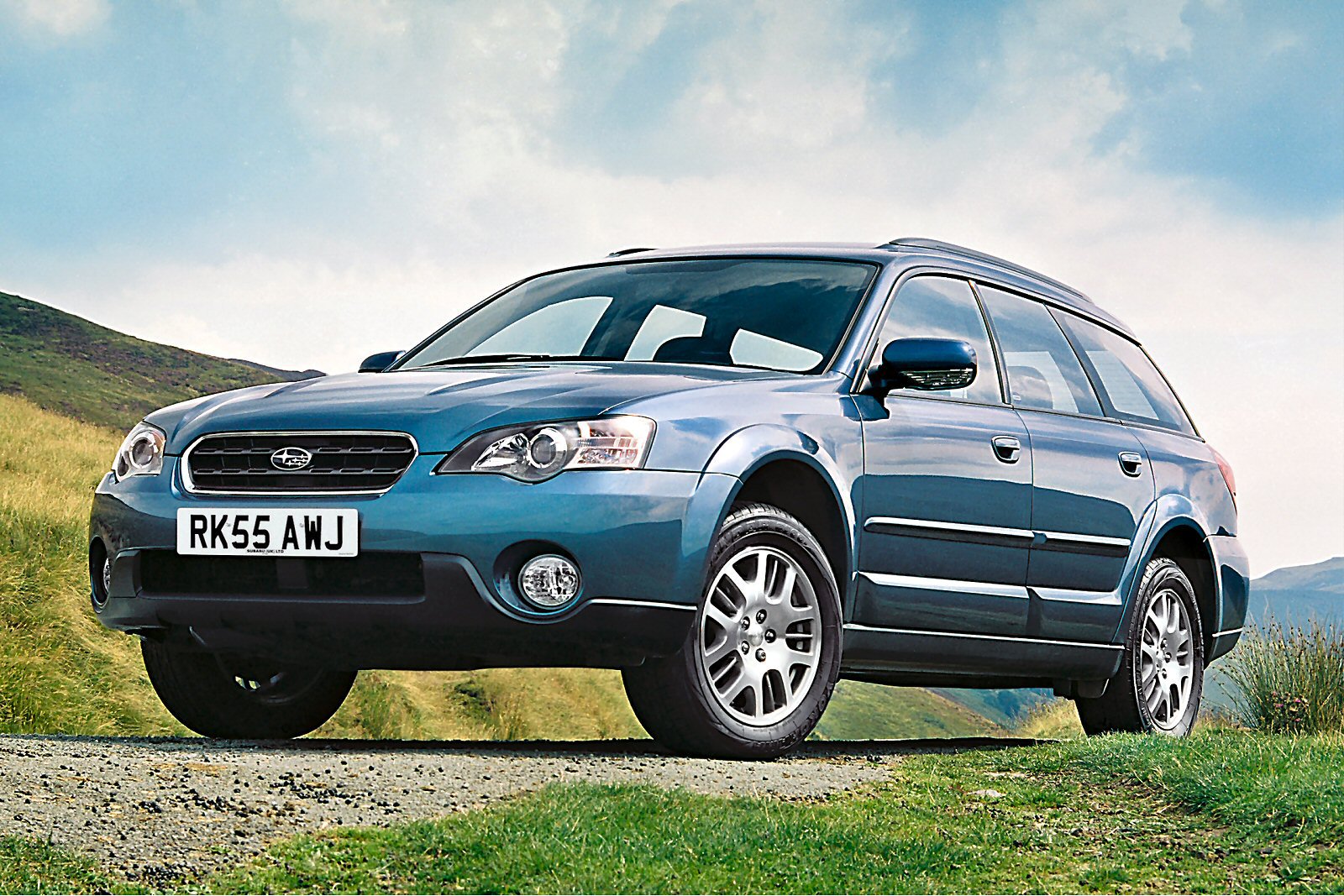
Subaru Outback gen 2 2005–2009 Transmission: Common Issues and Expert Verdict
Overview
This generation of Outback is old-school Subaru. Longitudinal engine, AWD baked into the transmission, everything tied together whether you like it or not. No CVTs yet. Just conventional gearboxes—with their own quirks.
I’ve worked on a lot of these. Still see them roll in. Some are smooth at 200,000 miles (320,000 km). Others? Absolute nightmares at 120,000 (193,000 km). Same car on paper. Totally different reality underneath.
It all comes down to which tranny you’re dealing with—and how it was treated.
You’ve got three main setups:
- 4EAT — basic, tough, but picky
- 5EAT — more refined, more failure points
- TY755 / TY757 manual — strong, until it isn’t
People lump them together. Big mistake.
Which Transmissions It Uses
4EAT (Subaru Phase II)
- Type: 4-speed automatic
- Drive layout: AWD with multi-plate transfer clutch (MPT)
- Engine pairing: EJ253 2.5L SOHC
- Production years: 2005–2009
- Notes: Duty Solenoid C controls torque split
This is the simple one. Old design. Proven. But don’t confuse “simple” with “bulletproof.”
5EAT (TG5C / TG5D family)
- Type: 5-speed automatic
- Drive layout: AWD with VTD (Variable Torque Distribution)
- Engine pairing:
- EJ255 turbo
- EZ30 H6
- Production years: 2005–2009
- Notes: Electronic valve body, turbine speed sensors, lock-up control
This one’s smarter. Also more fragile in the wrong hands.
TY755 / TY757 Series
- Type: 5-speed manual
- Drive layout: AWD with viscous center differential
- Engine pairing:
- EJ253
- EJ255 (limited)
- Production years: 2005–2009
- Notes: Mechanical AWD, no electronics to save you
No verified alternative transmissions used. What you see here is what you get.
Main Failure Patterns
4EAT — Torque Bind (The Classic Subaru Problem)
This one shows up all the time. I mean constantly.
You pull into a parking lot. Turn the wheel. The car starts fighting you—like the brakes are dragging. That’s torque bind.
Inside the tranny is a multi-plate clutch pack. Its job is to slip. That’s it. Slip smoothly, all day.
When it doesn’t? You feel it immediately.
- Shuddering turns
- Wheel hop
- Driveline tension
What causes it?
- Worn clutch pack
- Sticky Duty Solenoid C
- Mismatched tires (huge one)
I’ve seen people destroy these just by running different tire brands front to rear. Not different sizes. Same size, different wear. That’s enough.
Subaru’s AWD doesn’t tolerate laziness.
5EAT — Valve Body Problems
This is where things get messy.
The 5EAT isn’t failing because gears explode. It fails because control goes sideways.
You get:
- Weird shifts
- Delayed engagement
- AT light flashing at you
And inside? Solenoids, pressure circuits, sensors. All talking to each other. When one starts lying, the whole system gets confused.
In my experience, a lot of shops jump straight to “needs a rebuild.” That’s lazy. Often it’s the valve body. Expensive, yeah—but not catastrophic.
5EAT — P0741 and Lock-Up Issues
This code shows up again and again.
P0741. Torque converter lock-up.
What’s happening is simple:
- Converter tries to lock
- Slip doesn’t match expected value
- Computer flags it
From the driver seat? You might not feel much at first. That’s the problem.
Meanwhile:
- Fluid heats up
- Clutch material wears
- Contamination starts circulating
I’ve opened these up and found fine metallic shavings. Not catastrophic chunks—just enough to tell you things are going downhill.
Manual Transmission — Center Differential Wear
The manual guys think they’re safe.
Mostly true. Until it isn’t.
The weak spot is the viscous center diff. It’s sealed. It ages. It cooks.
When it goes:
- Binding in turns
- Driveline drag
Feels just like the automatic torque bind—but there’s no solenoid to blame. Just worn-out internals.
Leaks, Seals, and Aging Hardware
Not exciting. Still matters.
High-mileage cars—150,000+ miles (240,000+ km)—start sweating:
- Front diff seals
- Rear diff seals
- Axle seals
Ignore it long enough and you’re not dealing with a seep anymore. You’re dealing with low fluid and damaged gears.
Typical Repair Costs
| Component / Failure | Typical Cost (USD) | Classification |
|---|---|---|
| 4EAT transfer clutch repair | $800 – $1,500 | Service Bay Benchmark |
| 4EAT rebuild | $2,500 – $4,000 | Industry Estimate |
| 5EAT valve body | $1,200 – $2,500 | Service Bay Benchmark |
| 5EAT torque converter | $1,500 – $3,000 | Industry Estimate |
| 5EAT rebuild | $3,500 – $5,500 | Industry Estimate |
| Manual center diff | $900 – $2,000 | Service Bay Benchmark |
| Seal repairs | $200 – $600 | Service Bay Benchmark |
Quick jump here—because this matters more than people expect.
A misdiagnosed 5EAT can cost you double. I’ve seen valve body jobs turn into full rebuilds just because someone guessed instead of testing.
Best and Worst Years
| Configuration | Best Years | Higher Risk Years | Basis |
|---|---|---|---|
| 4EAT (2.5i) | All similar | Maintenance-dependent | Field Observation |
| 5EAT (XT / H6) | All similar | Condition-dependent | Field Observation |
| 5MT | All similar | High mileage units | Service Bay Benchmark |
There isn’t a magic “bad year.” This platform doesn’t work like that. It’s all about how it was treated.
Warning Signs & Early Detection
| Symptom | Likely Cause | Transmission |
|---|---|---|
| Binding in turns | Transfer clutch or center diff | 4EAT / 5MT |
| Delayed engagement | Hydraulic or solenoid issue | 5EAT |
| P0741 | Lock-up clutch problem | 5EAT |
| Erratic shifting | Valve body / sensors | 5EAT |
| Fluid leaks | Seal wear | All |
Scan tools matter. Live data matters more. Guessing is how you turn a $1,500 fix into a $5,000 problem.
When to Walk Away
Some cars aren’t worth saving. Simple as that.
- Torque bind you can feel instantly
- P0741 plus slipping under load
- Burnt fluid smell—sharp, nasty
- Multiple drivetrain issues stacked together
Also—look at the tires.
If they’re mismatched, uneven, cheap, whatever… that tells you how the car was treated. And the AWD system remembers everything.
Ownership Reality
| Topic | OEM Guidance | Real-World Outcome | Classification |
|---|---|---|---|
| Fluid service | Extended intervals | Breaks down by ~60k–90k miles (96k–145k km) | Service Bay Benchmark |
| AWD system | Automatic operation | Extremely sensitive to tire differences | Field Observation |
| 5EAT repairs | Component replacement | Needs full diagnostic approach | Service Bay Benchmark |
| Manual AWD | Minimal service | Center diff wears with heat cycles | Field Observation |
| Differentials | Periodic checks | Seals degrade, fluid condition matters | Service Bay Benchmark |
Here’s the truth.
Subaru treats some of this as “lifetime.” That’s optimistic. In real shops, fluid condition is everything. Ignore it, and these trannies don’t forgive you.
Lawsuits, Complaints & Regulatory History
No recall specifically targeting the transmission or AWD system on this generation.
But complaints exist. Patterns show up:
- Torque bind complaints
- Lock-up codes like P0741
- Shift behavior issues tied to solenoids and sensors
Subaru addressed these through service procedures, not recalls.
Always run the VIN through NHTSA. Takes two minutes. Worth it.
Bottom Line
These Outbacks can last. No question.
But they’re not forgiving. Not even a little.
4EAT—simple, durable, but hates bad tires.
5EAT—smoother, more complex, easier to misdiagnose.
Manual—strong, until the center diff gives up.
You take care of the drivetrain, it’ll go forever. You cut corners, and yeah… it turns into a very expensive lesson.